If your home smells stale, another scented spray may change the smell for a while without changing what caused it. The useful first question is simpler: where is the odor strongest, and when does it appear? A kitchen bin after dinner, a damp bathroom mat, a towel left wet in a hamper, and shoes by the door need different fixes.
This room-by-room guide shows how to make your home smell fresh without air fresheners. It starts with finding and removing everyday odor sources, then drying damp items and using ventilation when outdoor conditions allow. You can complete one check today and save the rest for later.
Free Home Odor Source Check Printable
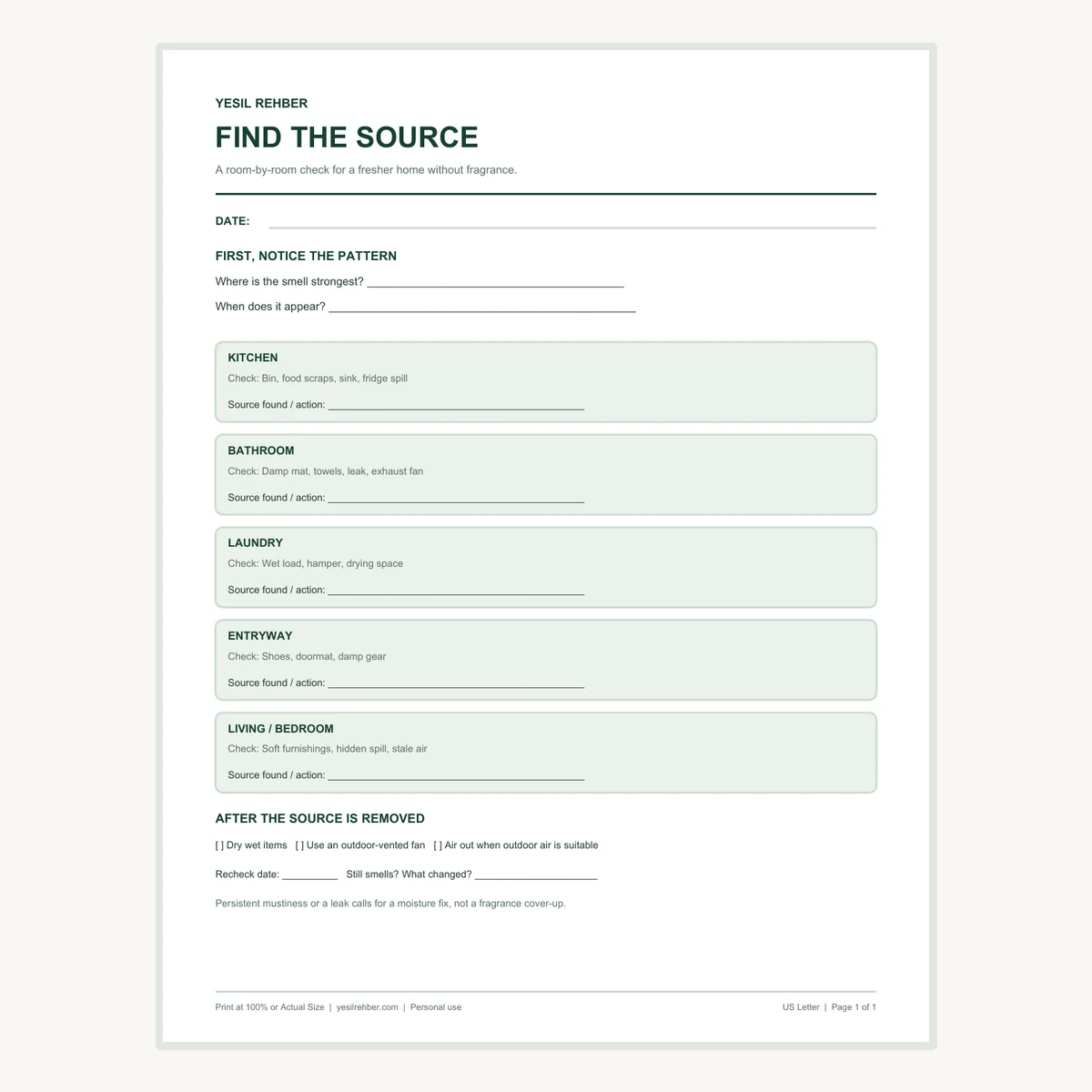
Use the one-page worksheet to note where an odor is strongest, check five common areas, and record what you changed. Choose US Letter or A4 and print at 100% or Actual Size.
The short version: source, moisture, airflow
Walk toward the strongest smell and look for a source you can safely remove or clean. Then check for damp material that needs drying or a leak that needs repair. Finally, use an outdoor-vented kitchen or bathroom fan, or open a window if outdoor air quality and weather make that sensible. The U.S. Environmental Protection Agency describes source control and appropriate ventilation as central steps for improving indoor air quality. A fragrance is not a substitute for either one.
You do not need to clean every room at once. Write down where the smell is strongest and whether it appears after cooking, showering, laundry, or a rainy day. This timing helps you test a likely source instead of trying a dozen products. Recheck after the source is removed; if the odor persists, look again rather than adding another scent.
1. Start in the kitchen: bin, food, and spills
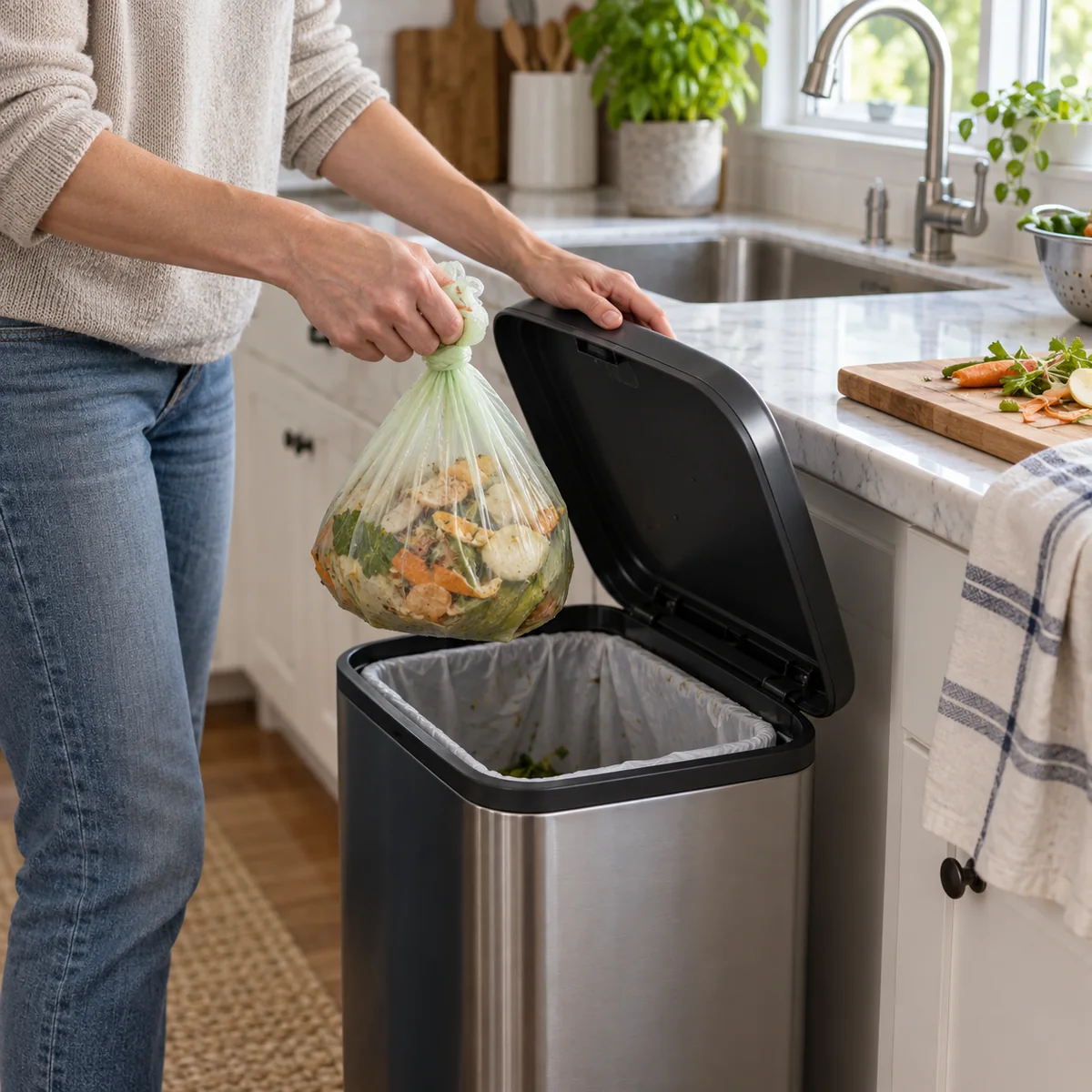
Check the trash and food-scrap container first, including the bottom of the bin and the area behind it. Remove the contents when needed, wash any spill, and let the bin dry before putting in a new liner. A lidded container still needs attention if liquid or scraps have escaped the bag. Notice whether the smell returns only after particular meals or after the container sits for several days; that pattern suggests a routine you can adjust.
Then look for forgotten food: a produce bag, a refrigerator spill, or a dish left near the sink. Clean the specific mess and dry the surface. If you keep finding forgotten produce, the vegetable rescue guide gives you a use-first plan before food is lost. If an odor seems to come from a sink or plumbing and simple cleaning does not resolve it, avoid pouring random products together; follow the fixture’s guidance or ask a qualified professional to check the problem.
2. Check bathroom moisture before adding fragrance
After a shower, a bath mat pressed to the floor and a towel folded over itself may stay damp longer than you expect. Hang them so air reaches more of the fabric, and wash them when needed according to their care labels. Look around the tub, sink, toilet, and under the vanity for a drip or damp cabinet. A recurring musty smell deserves a moisture check, even when the visible surfaces look clean.

Use a bathroom exhaust fan that vents outside during and after a shower, if you have one. If there is no fan, a window may help when conditions are safe and suitable. The Centers for Disease Control and Prevention says mold can smell musty and that mold cleanup must be paired with fixing the moisture problem. Do not paint over a damp patch or hide a leak behind a fragrance. A large, recurring, or inaccessible moisture problem may need your landlord or a qualified professional.
3. Look for damp laundry and soft furnishings
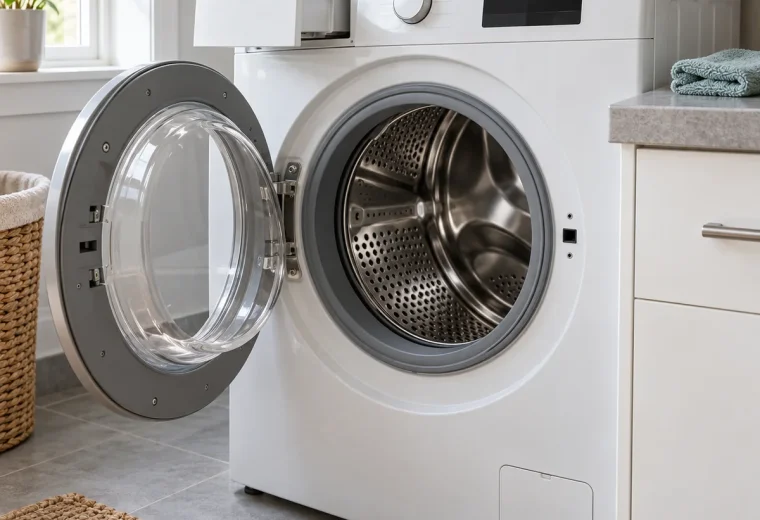
A wet load forgotten in the washer or a towel dropped into a full hamper can make the whole area smell stale. Move washed clothes promptly when you can, let wet towels dry before adding them to a hamper, and keep the hamper itself clean and dry. Check the floor and wall behind a laundry basket for unnoticed moisture. If a fabric stays musty after washing and thorough drying, check its care label and whether it was stored damp again.
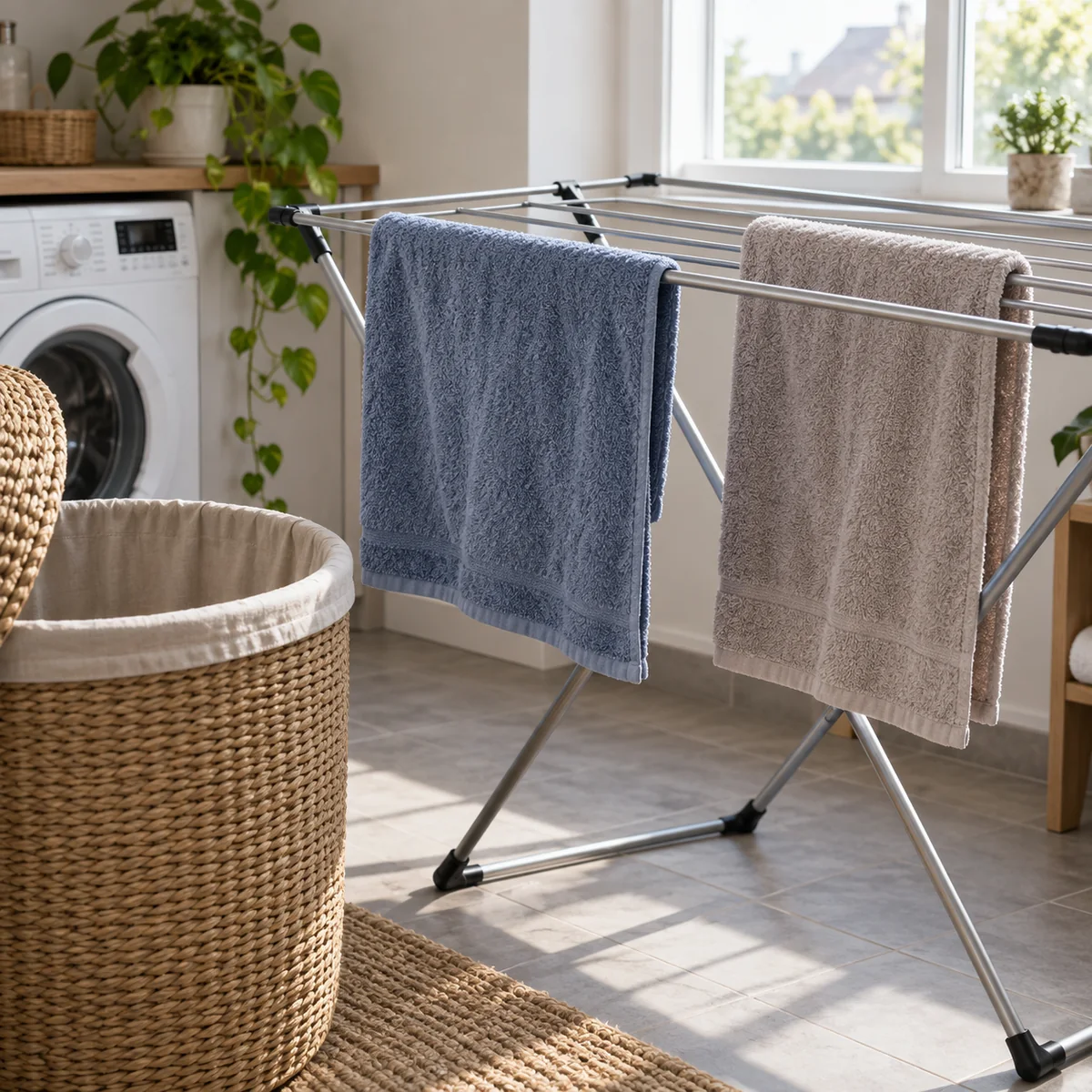
In living rooms and bedrooms, follow the odor to soft surfaces: a throw, pet bedding, a cushion, or a spot behind furniture. Clean what you can according to its care instructions and dry it completely. A hidden spill or damp wall needs the cause addressed, not only a fresh cover. EPA guidance links uncontrolled moisture with unwanted biological growth and advises keeping indoor humidity below 60%, ideally between 30% and 50%. If moisture repeatedly collects in one place, investigate why.
4. Check shoes, doormats, and wet gear at the entry
The entryway catches rain, soil, and everyday wear. Lift the doormat and check the floor beneath it; wash or dry the mat according to its care instructions. Let damp shoes or umbrellas dry in an appropriate spot instead of closing them inside a cabinet. Check whether a bag or coat has wet fabric or a forgotten snack pocket. You may be able to fix the odor by cleaning a single item and giving it a better drying place.
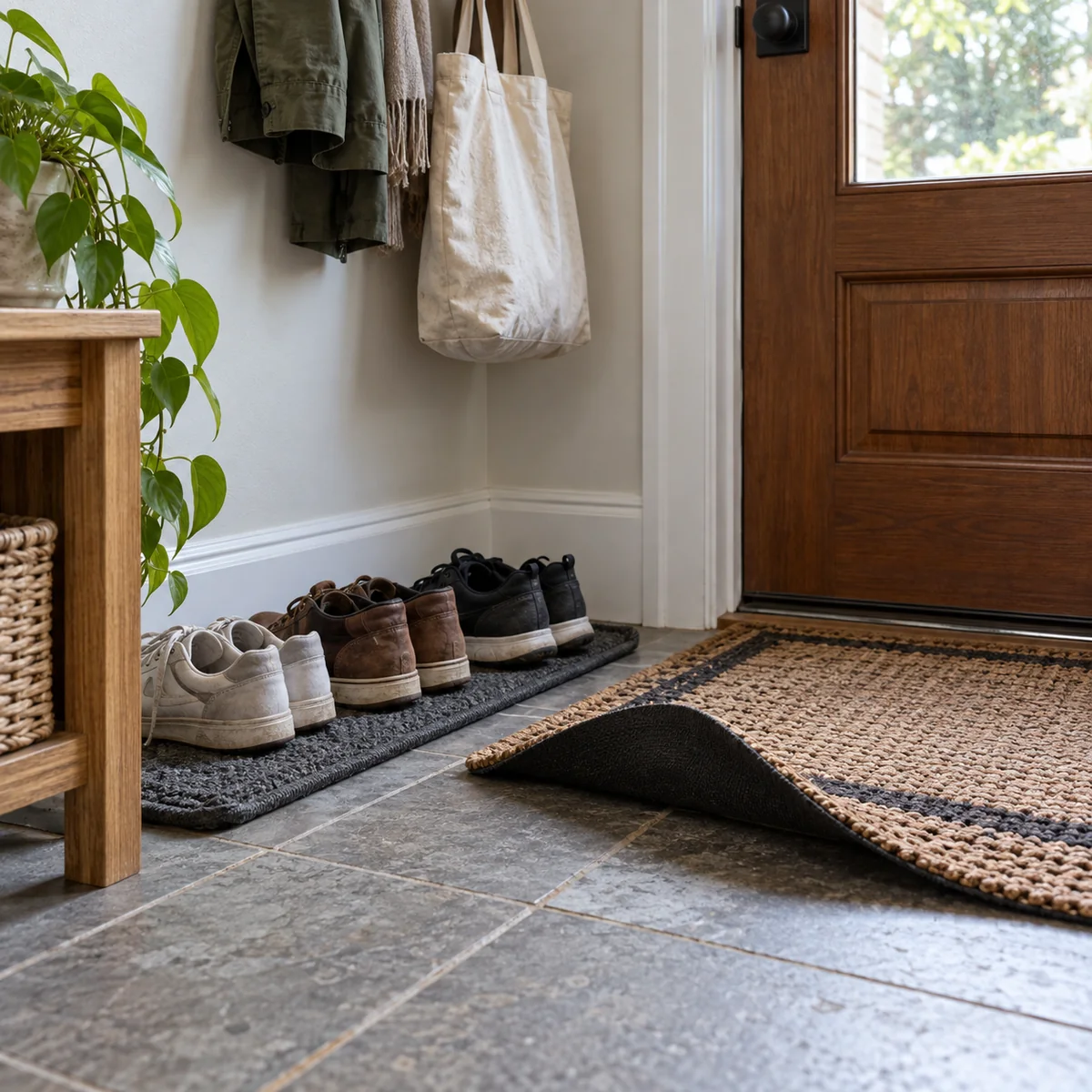
Keep the routine small. One place for shoes to air and one place to hang wet outerwear are usually easier to maintain than a collection of products. If your entry is crowded, the low-waste decluttering guide helps you create a clear landing spot without turning the project into a whole-house purge.
5. Ventilate when the air outside is suitable
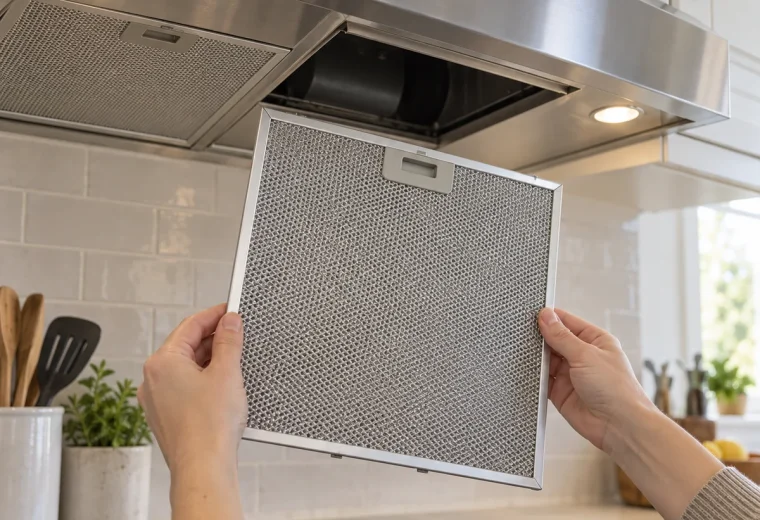
After you remove a source, use available ventilation to clear remaining stale air. An outdoor-vented kitchen fan can help during cooking, and an outdoor-vented bathroom fan can remove moisture where it is produced. A window can bring in fresh outdoor air when weather and air quality permit. EPA guidance cautions against opening windows when outdoor pollution or pollen is high, or during extreme temperatures or humidity. Check local conditions rather than following a rigid “always open the windows” rule.

A fan that only recirculates indoor air is different from one that exhausts outdoors, so check your setup before relying on it for moisture removal. Air cleaning or filtration may supplement source control and ventilation, but the EPA says it does not replace them. You do not need to buy a device as your first move when an obvious bin, damp towel, or leak is still the cause.
A simple ten-minute source check
- Minute 1: Note where the odor is strongest and when you first noticed it.
- Minutes 2–4: Check the nearest bin, food, sink area, wet textiles, shoes, or hidden spill.
- Minutes 5–7: Remove or clean one likely source and dry any damp surface or fabric.
- Minutes 8–9: Use an outdoor-vented fan or suitable fresh air if available.
- Minute 10: Record what you changed and choose a time to recheck.
The timing is only a way to begin. A leak, mold problem, or stubborn plumbing odor is not a ten-minute task. If the first check finds nothing, note the pattern and repeat the check at the time the smell normally appears.
When a smell calls for a different response
A persistent musty smell, visible mold, or repeated dampness points to a moisture problem that needs attention. CDC guidance says to clean up mold and fix the moisture source; if the problem is extensive or hidden, seek appropriate help. A rotten-egg or sulfur-like smell that may indicate natural gas is an emergency: leave the area immediately, avoid switches or other ignition sources, and call 911 or your gas utility from a safe location. Do not treat it as a household deodorizing project. Carbon monoxide has no smell, so odor checks cannot replace working carbon monoxide alarms.
What does not solve the source?
- Spraying fragrance into a room with a full bin: Empty and clean the bin first.
- Covering a musty patch: Find and repair the moisture source.
- Closing damp textiles in a cabinet: Dry them fully before storage.
- Opening windows in unhealthy outdoor air: Check local air quality and use appropriate ventilation.
- Mixing cleaning products to attack an odor: Follow product labels and never improvise chemical combinations.
Download the room-by-room worksheet
The printable records the strongest-smelling area, five common source checks, what you changed, and when you will recheck. Download the US Letter PDF (8.5 × 11 inches) or the A4 PDF (210 × 297 mm). Print at 100% or Actual Size. For a broader weekly upkeep habit, see our weekly low-waste home reset.
Start with the room where the smell is strongest. One removed source and one dry surface can tell you more than a shelf of new scented products.
Sources
- U.S. Environmental Protection Agency, Improving Indoor Air Quality
- U.S. Environmental Protection Agency, Biological Contaminants and Indoor Air Quality
- U.S. Environmental Protection Agency, Sources of Indoor Particulate Matter
- Centers for Disease Control and Prevention, Mold and Carbon Monoxide Poisoning Basics
- American Gas Association, Using Natural Gas Safely