Wondering what to do with vegetables before they go bad? Start with a ten-minute refrigerator check. Identify what is still sound, move the most perishable items into view, and build the next two meals around them. You do not need an elaborate meal plan or a drawer full of new storage containers. You need a clear next use for the food already in your kitchen.
This guide shows a practical fridge rescue plan for common vegetables, from leafy greens to carrots and peppers. It also separates food-saving ideas from food-safety decisions. If a vegetable is spoiled, a recipe cannot make it safe.
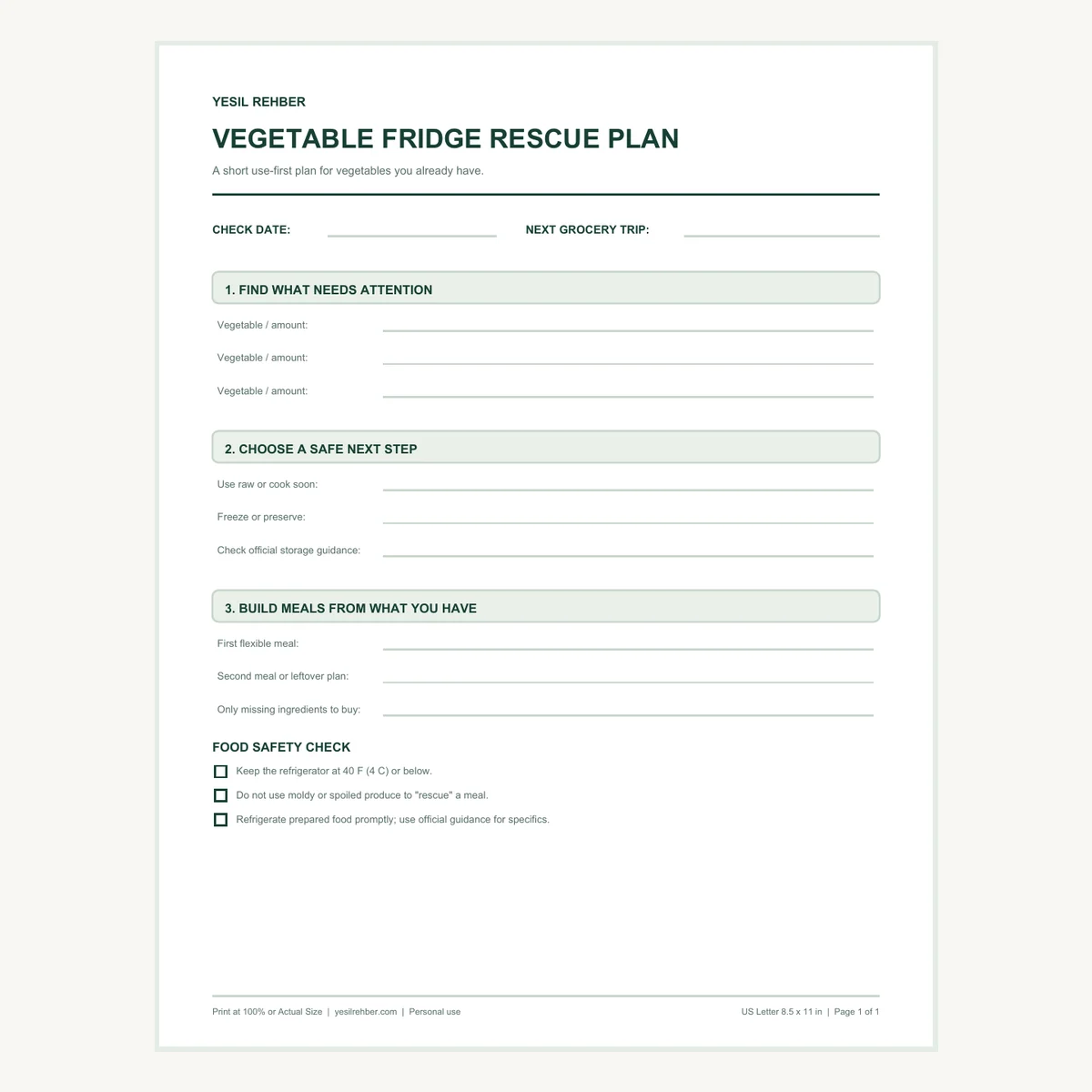
Free Vegetable Fridge Rescue Planner
Record three vegetables that need attention, choose a safe next step, and plan two flexible meals before shopping. Print the one-page sheet at 100% or Actual Size.
The ten-minute fridge rescue
Open the refrigerator before making your grocery list. Pull out vegetables you have forgotten, plus any cooked vegetables or leftovers that need a decision. Leave unsafe or questionable food out of the meal plan. Put sound vegetables into three simple groups: eat soon, store correctly, and prepare or freeze. You do not need to catalog every carrot. Write down only the items that might otherwise be lost.
The U.S. Environmental Protection Agency recommends checking the refrigerator, freezer, and pantry before shopping and planning meals around food that needs to be used. That is the heart of this routine. A short list of real ingredients is more useful than buying produce for meals you may not cook.
Step 1: make one visible use-first spot
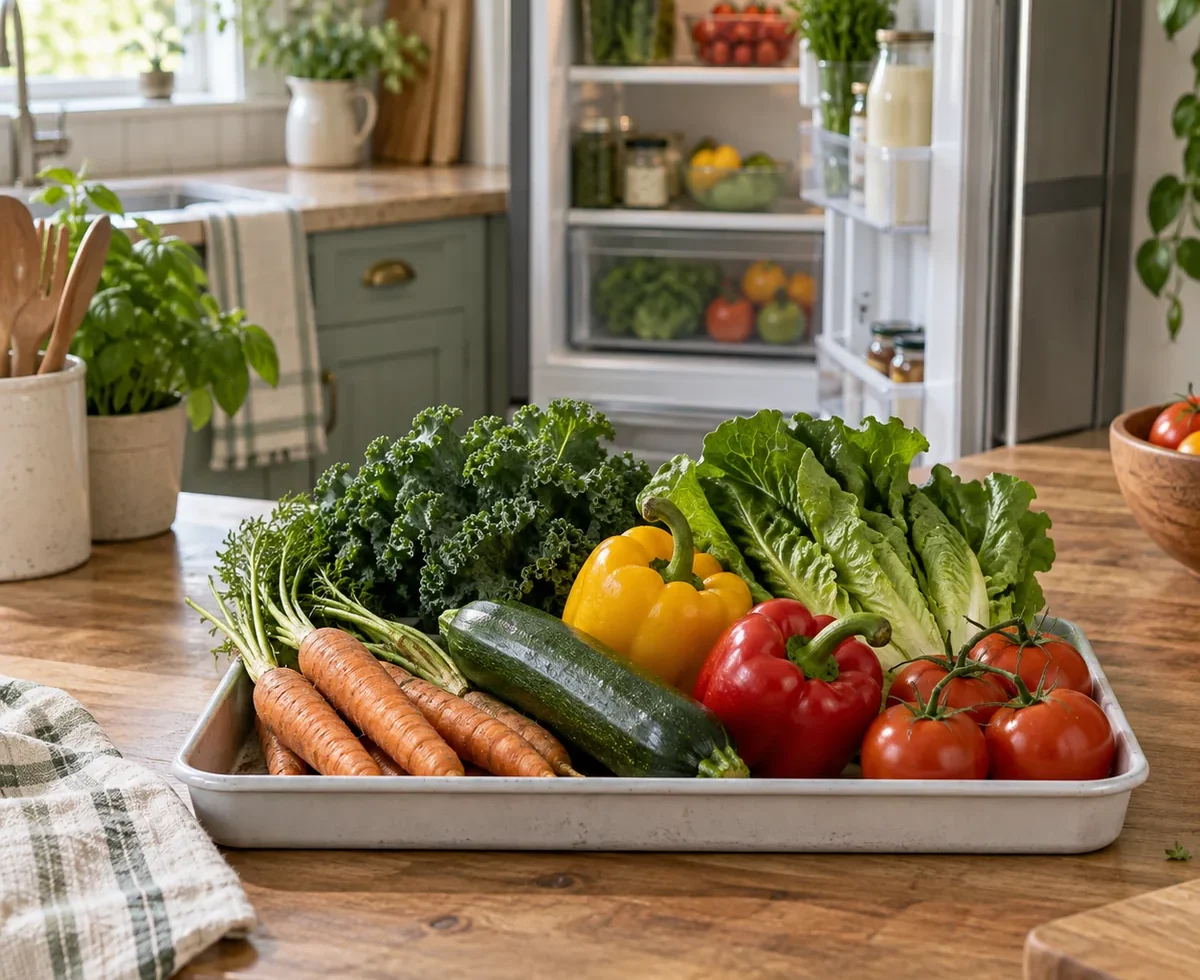
Give the sound vegetables that need attention a small, visible home. A clean, shallow tray on a refrigerator shelf can work if the food belongs in the refrigerator and will fit without crowding. Keep it separate from raw meat and make sure chilled food stays cold. The tray is a reminder, not a way to override storage advice for a particular vegetable.
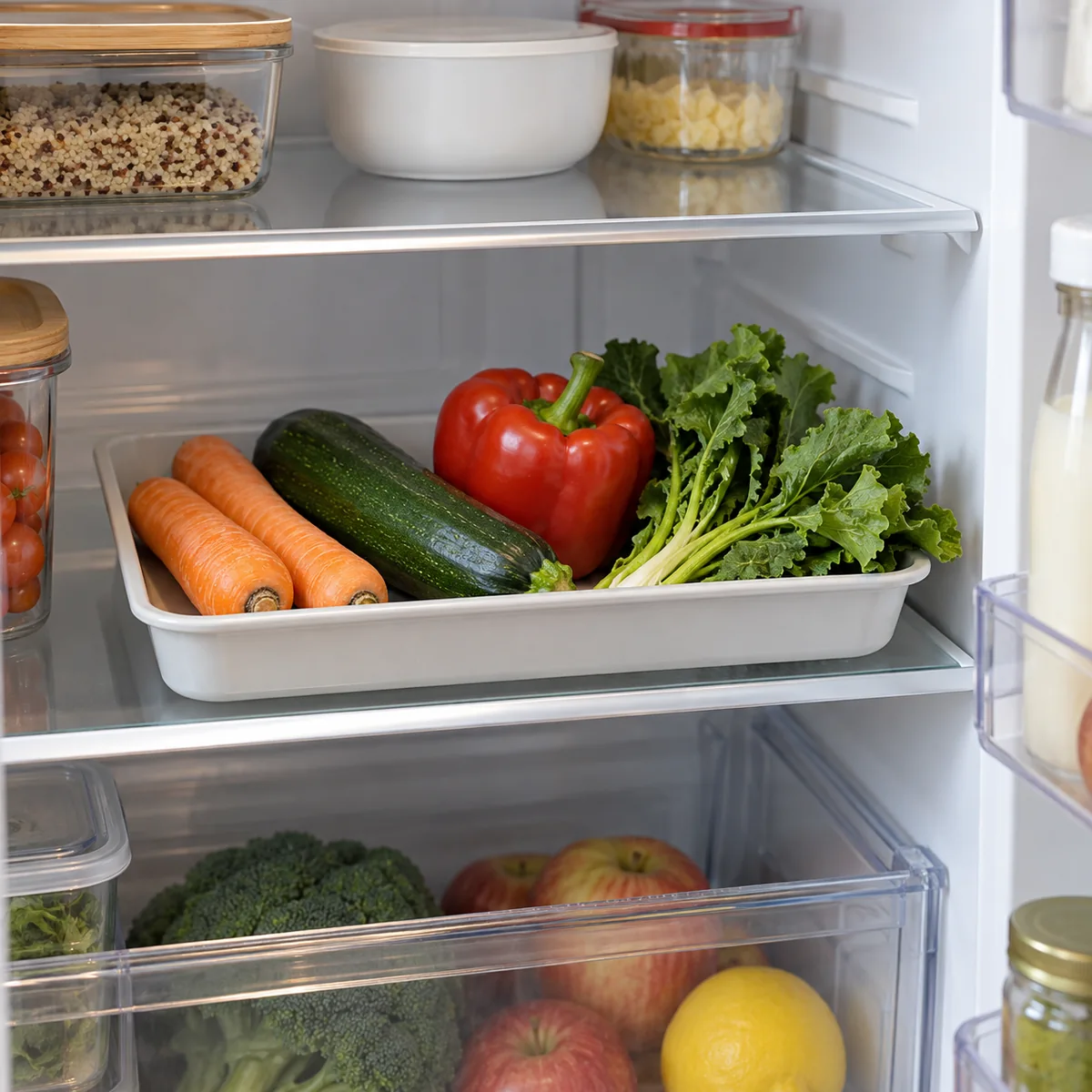
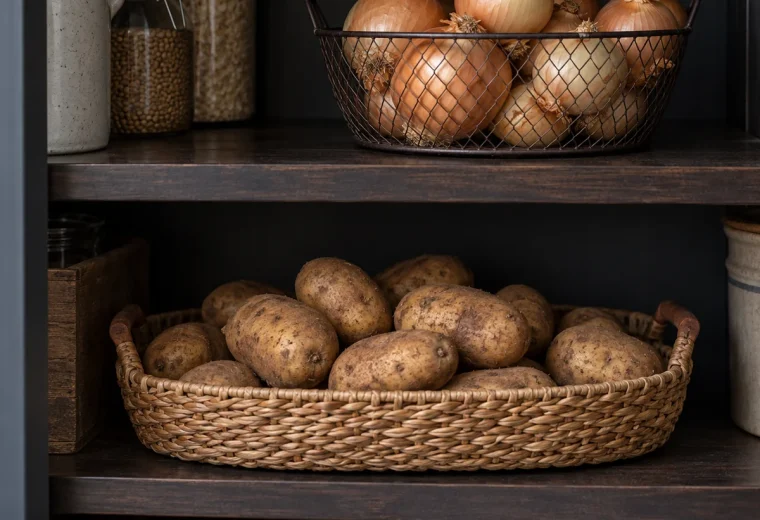
Write a short note such as “greens tonight, zucchini tomorrow.” Put it beside your grocery list or on your phone rather than attaching an unreadable label to every item. If a vegetable needs a different storage condition, leave it in the right place and add it to the note. For example, onions and potatoes generally belong in a cool, dry, dark, well-ventilated area rather than in a crowded refrigerator drawer, according to EPA storage guidance.
Step 2: store vegetables according to what they need
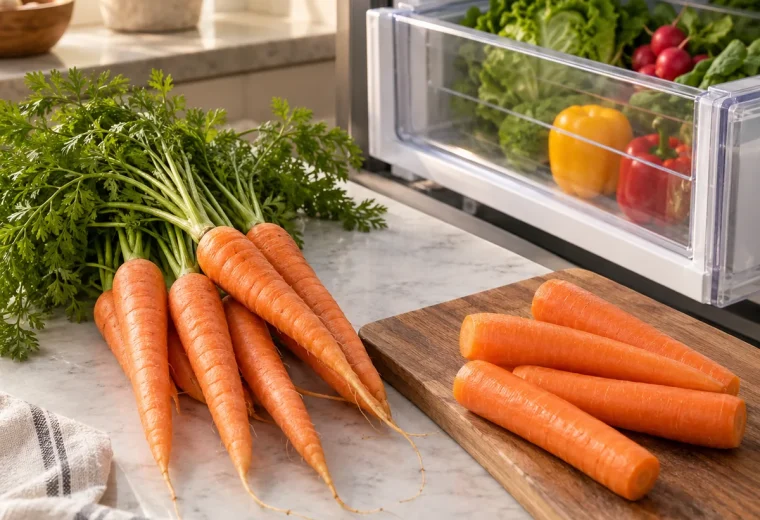
A refrigerator has different zones. The EPA recommends a high-humidity drawer for many vegetables that can wilt, including leafy greens, carrots, cucumbers, and broccoli. Fruits and produce that tend to rot, such as peppers and mushrooms, generally do better in a lower-humidity drawer. Not every refrigerator has adjustable drawers; use the closest practical setup and check the specific item in the USDA-developed FoodKeeper resource when you are unsure.
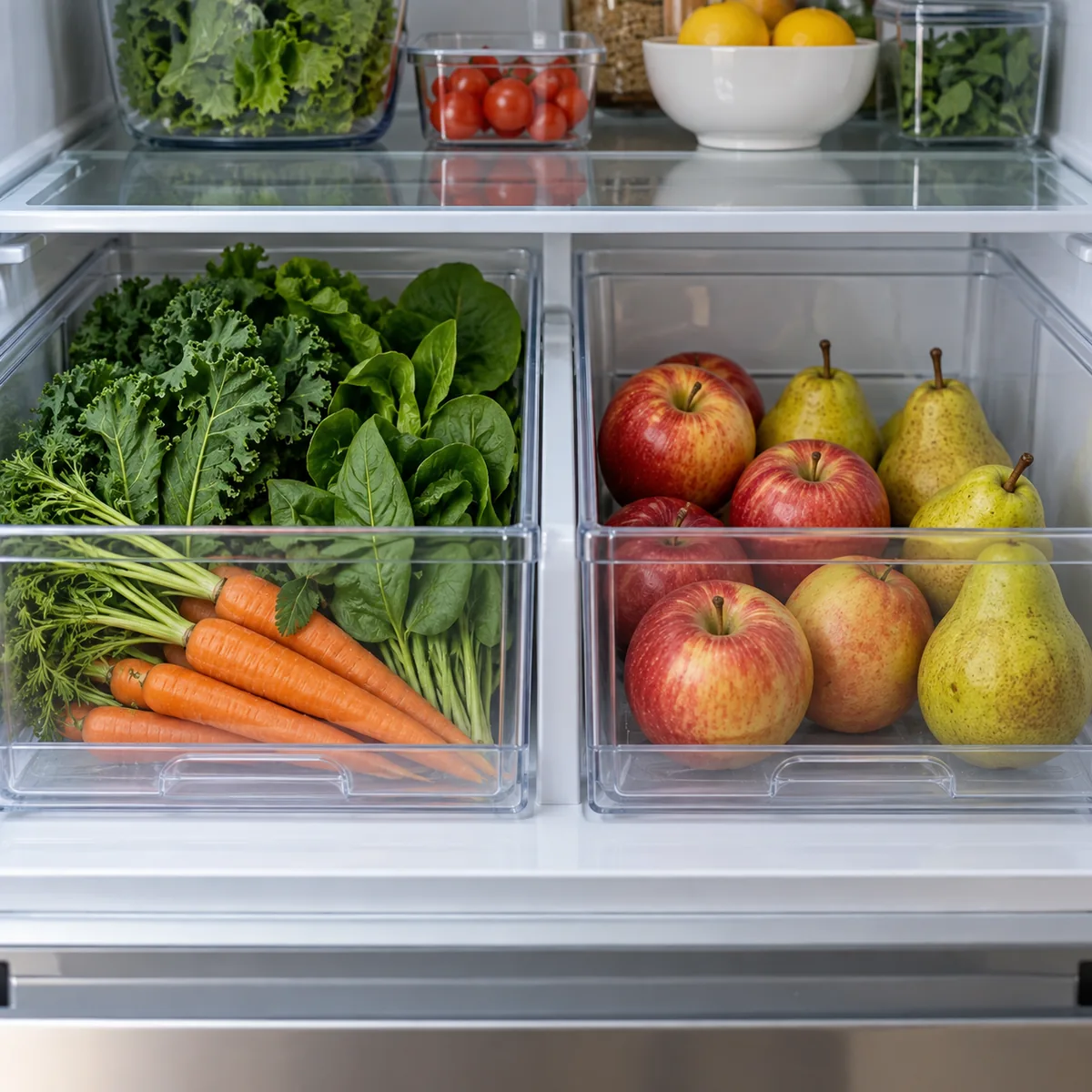
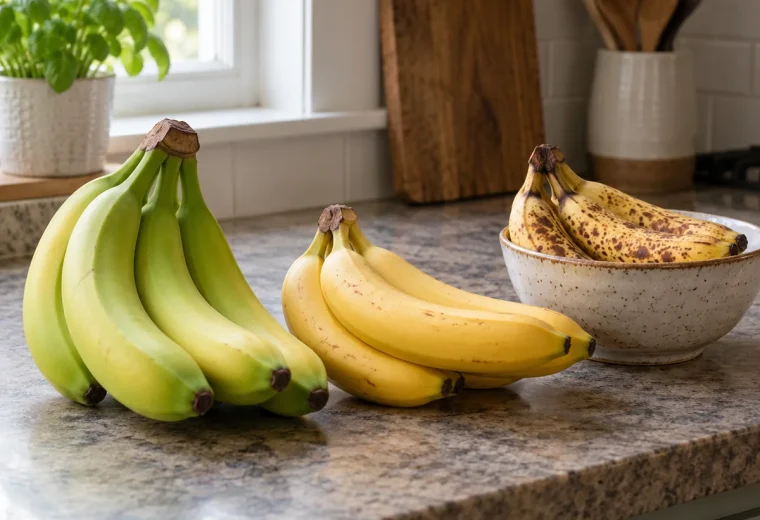
Some fruits, including apples and pears, release ethylene as they ripen. EPA advises keeping them away from produce that may ripen or spoil faster nearby. You do not need a perfectly empty drawer between every item, but do avoid burying delicate greens under fruit or heavy containers. Wait to wash berries, cherries, and grapes until you are ready to eat them; extra moisture can encourage mold.
Keep the refrigerator at 40°F (4°C) or below. Do not assume a neat drawer means safe storage if the appliance is too warm. A simple refrigerator thermometer can help you check the actual temperature. Food that needs refrigeration should not sit out while you reorganize the entire kitchen.
Step 3: choose a meal shape, then use the vegetables
When vegetables need using, begin with a flexible meal you already know how to cook. You can add sound carrots, zucchini, and peppers to a soup, cooked grain bowl, frittata, stir-fry, or pasta sauce. Leafy greens can be cooked into a suitable dish when they are still sound. The meal shape matters more than finding a recipe that uses every piece in exactly the amount you have.
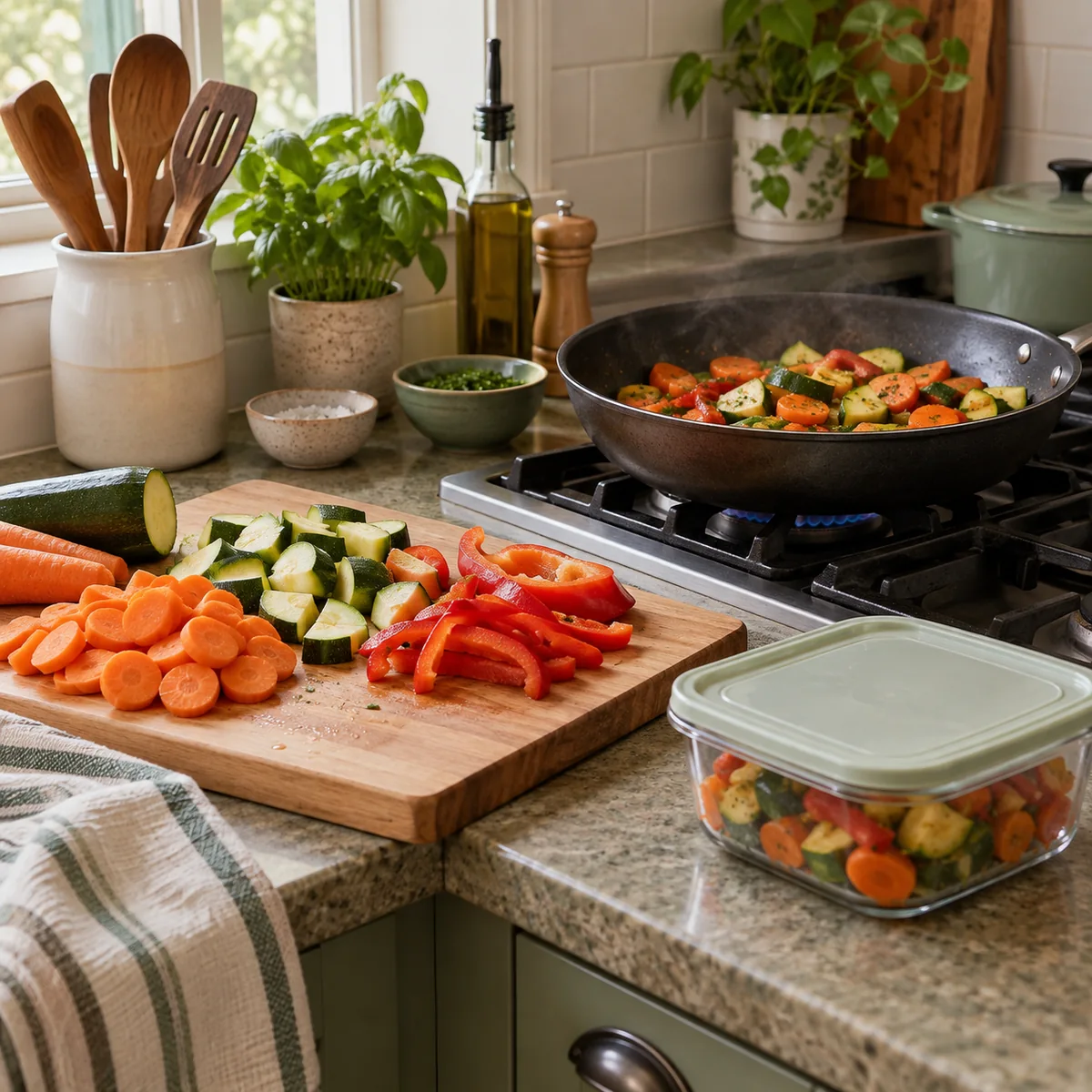
Start with what is most perishable. If you have delicate greens and sturdy carrots, plan the greens first and leave the carrots for another meal. Add protein, grains, or sauce from the pantry only if it makes the meal practical for your household. For shelf-stable ingredients, the pantry inventory guide helps you see what you have before buying duplicates.
Do not use cooking as a fix for produce that is visibly moldy, slimy, or otherwise spoiled. Follow official item-specific guidance for uncertain food. The goal is to use good food sooner, not to push a questionable ingredient into dinner because it feels wasteful to discard it.
Step 4: make a safe plan for anything left
After choosing the next meal, decide what will happen to the remaining vegetables. If you will not cook them in time, check whether that particular vegetable can be frozen and whether it needs preparation such as blanching first. FoodKeeper offers storage and preparation guidance by food. Freeze items while they are still in good condition, rather than waiting until they are on the edge of spoilage.
If you cook extra vegetables, cool and refrigerate them promptly in shallow covered containers. USDA says most cooked leftovers should be used within three to four days in the refrigerator or frozen for longer storage. Reheat leftovers according to USDA guidance. Write the preparation date on the container if that helps your household use it in time.
Keep the next shopping list tied to actual meals. If your planned vegetable soup needs one onion, write one onion, not a generic “vegetables” reminder. A sale on a large bag of produce only saves money when you can use or properly store the amount you buy.
A realistic three-day example
Imagine you find a small bunch of sound greens, two zucchini, several carrots, and a pepper. Your first dinner uses the greens and one zucchini in a dish you already make. For the second meal, you cook the remaining zucchini, pepper, and some carrots with pantry staples. The rest of the carrots stay in appropriate storage. Your grocery list contains only the ingredients needed to finish those meals.
On the third day, check the prepared food and the remaining vegetables again. Eat refrigerated leftovers within the applicable safe window or freeze them. If plans change, move the next meal on the calendar before ordering more produce. The system works because every item has a next decision, not because the fridge looks like a catalog photo.
What to do with common vegetables
- Leafy greens: Check their condition first. Use sound leaves in a near-term meal and store the rest in the appropriate refrigerator drawer.
- Carrots: Keep them in suitable cold storage and use them in soups, cooked sides, or meals you already enjoy. They may not need to jump ahead of more delicate produce.
- Peppers: Check the low-humidity drawer guidance for your refrigerator and use sound peppers in a flexible cooked dish when you have more than you can eat raw.
- Zucchini: Plan a specific dish rather than letting it disappear behind larger containers. Cook or freeze it according to reliable item-specific guidance.
- Tomatoes: Storage depends on ripeness and condition. Consult FoodKeeper rather than applying the same fridge rule to every tomato.
Common mistakes to avoid
- Buying ingredients for a rescue recipe before checking the pantry: Build around what you already own, then fill only real gaps.
- Hiding the use-first food behind new groceries: Keep the near-term meal ingredients visible and put the newer purchases behind them where appropriate.
- Washing everything well before use: Some produce keeps better dry until you are ready to eat it; check item-specific guidance.
- Freezing food too late: Decide while the vegetable is still sound and follow the correct preparation method.
- Using spoiled food to avoid waste: Food safety comes first. Discard unsafe food and improve the next shopping or storage decision instead.
Download the fridge rescue planner
Use the one-page sheet to name three vegetables, choose a safe next step, and plan two meals from what you have. Download the US Letter PDF (8.5 × 11 inches) or the A4 PDF (210 × 297 mm). Print at 100% or Actual Size.
Try the ten-minute check before the next grocery trip. Choosing one meal for food already in your fridge can prevent more waste than buying a new organizing system.
Sources
- U.S. Environmental Protection Agency, Preventing Wasted Food at Home
- USDA Food Safety and Inspection Service, Leftovers and Food Safety
- FoodSafety.gov, FoodKeeper