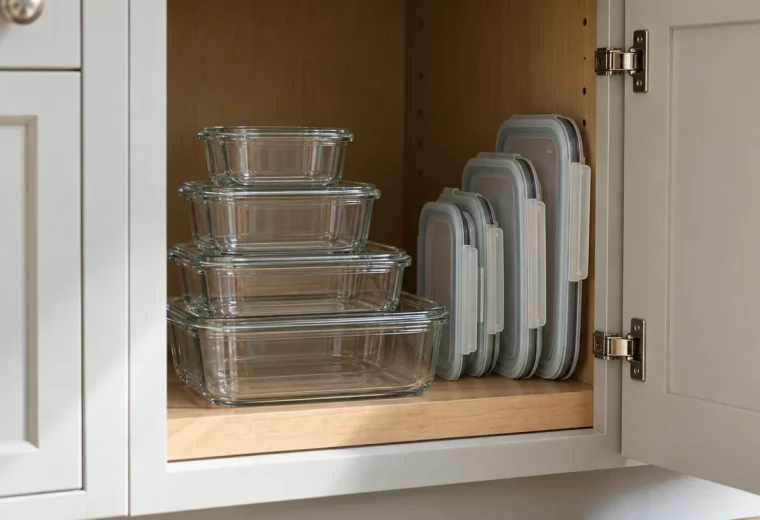
To declutter without throwing everything away, work on one small area and give each item a specific next step: keep, repair, give, recycle, or dispose. Decide where outgoing items will go before you make a large pile. Then set a date to move them out of your home.
The aim is a home that works better with less waste, not a house full of boxes labeled “deal with later.” You do not need to save every object, and you do not need to buy organizers before you begin. A clear decision and a realistic route matter more than a perfect sorting setup.
Free low-waste decluttering printable
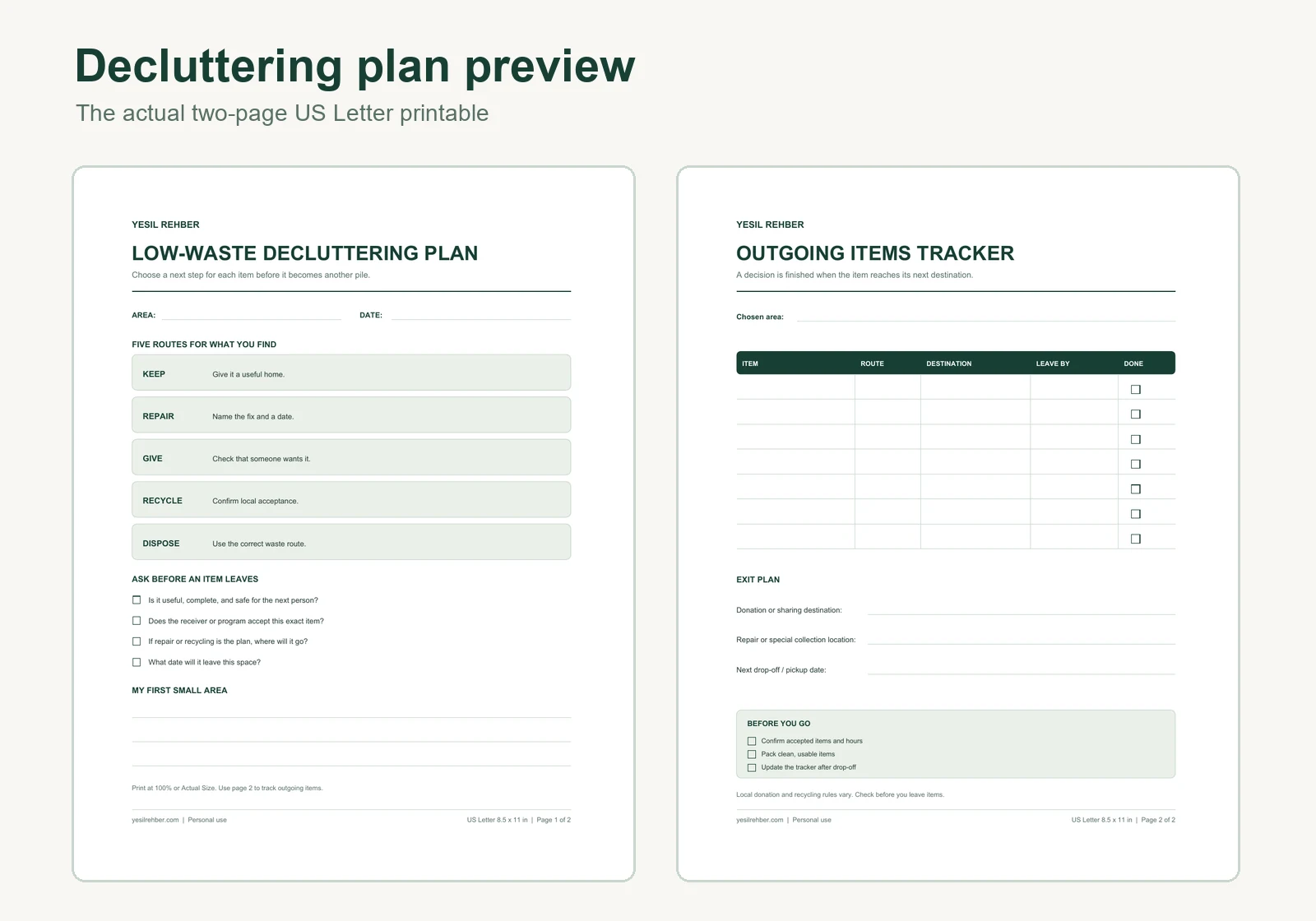
Use the two-page plan to choose a route for each item and track where outgoing things will go. Pick the PDF that matches your paper size and print at 100% or Actual Size.
Why low-waste decluttering gets stuck
A common problem is deciding what should leave without deciding how it will leave. The donation bag stays by the door. The broken lamp moves from one closet to another. The “maybe useful” box grows because it has no owner or deadline.
There is also pressure to find a perfect destination for every item. That can turn a practical home reset into a research project. A better approach is to choose a small area, use a few clear routes, and check local options only for the items you actually have. The U.S. Environmental Protection Agency encourages reducing, reusing, repairing, and then checking whether an item can be recycled. That order is a useful guide, but each object still needs a safe, real next step.
Start with one contained area
Choose a drawer, one shelf, or a single section of a closet. Avoid emptying an entire room unless you have the space and energy to finish it. Put the contents where you can see them, wipe the empty space if needed, and handle one item at a time.
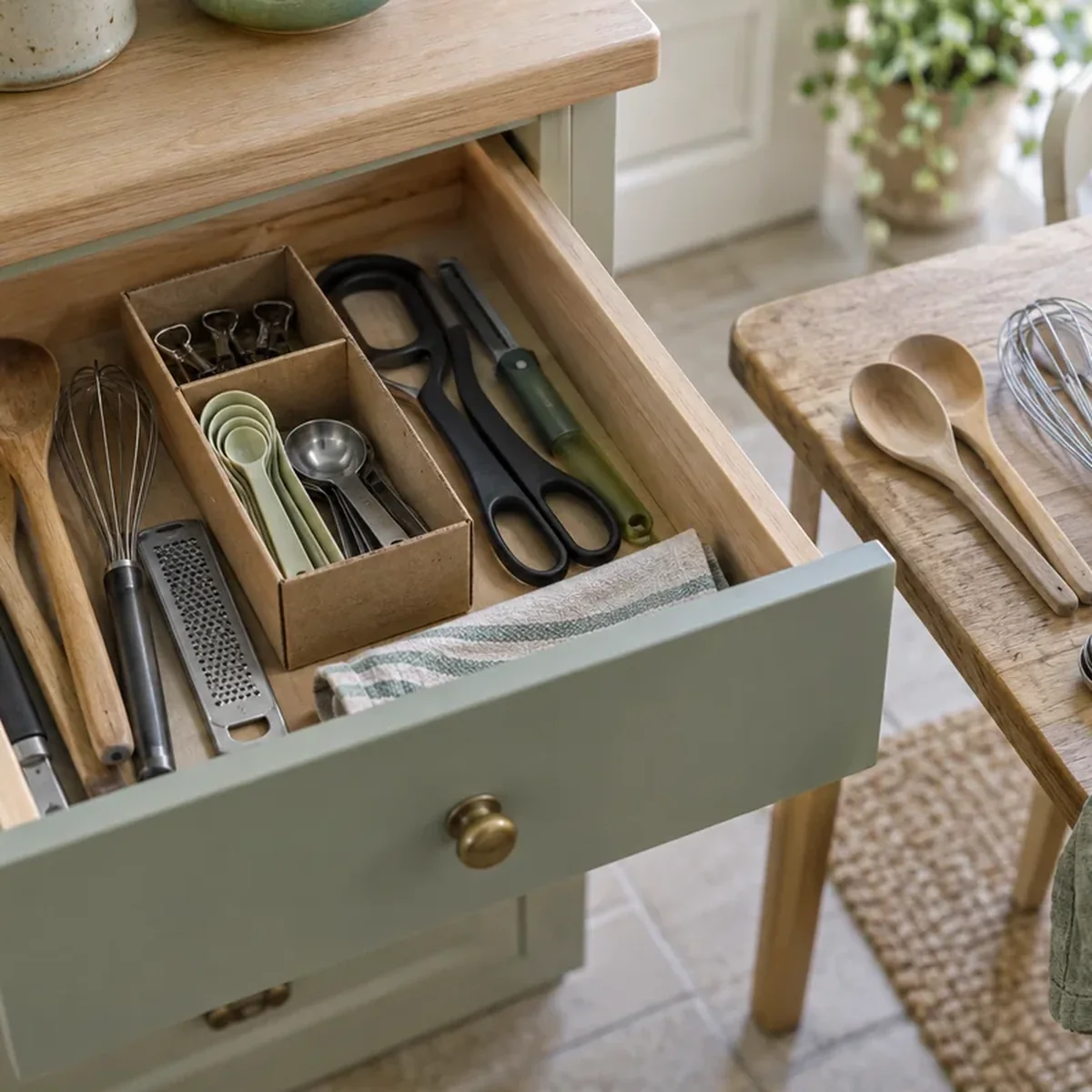
Keep a bag or box for outgoing items nearby, but do not let it become permanent storage. If the box is full before you finish the area, pause and arrange a drop-off, pickup, or handoff. The goal is to finish one complete cycle, from decision to destination.
Before sorting, write down why this area bothers you. Perhaps duplicate tools hide the one you use, clothes no longer fit the available space, or supplies cannot be found when needed. That problem will help you decide what earns a place back in the area.
Give every item one of five routes
Use these routes as a decision tool, not as a demand to create five new bins. A sticky note, reusable bag, or small section of a table may be enough.
- Keep: You use the item, want it, and can give it a sensible home. Put it back where you can find it.
- Repair: A specific fix would make the item useful again. Write down the fix, who will do it, and when you will decide whether to proceed.
- Give: The item is usable and a person or organization has agreed to take it. This includes sharing, gifting, and donating.
- Recycle: Your local program or a verified collection point accepts that exact material or product. Do not assume that a recycling symbol means curbside acceptance.
- Dispose: The item has no safe, practical reuse route. Follow local guidance, especially for products that need special handling.
The routes are not a ranking of your worth as a person. Keeping a useful item is fine. Disposing of something unsafe may be necessary. Low-waste organizing works best when it reflects the condition of the item and the options available where you live.
Make a destination decision before you pack
“Donate” is not yet a destination. Write down the place, person, or program that can receive the item. Check its current acceptance rules and hours before loading a car. Goodwill, for example, says accepted items vary by local organization. A nearby charity may take books but not furniture, while a reuse center may have the opposite rules.
Give usable items in a condition the next person can use. Clean a simple household item, gather missing game pieces if you have them, and keep accessories with an appliance. Do not pass along recalled, unsafe, or unusable goods as a donation. If you are uncertain about a category, contact the receiving organization first.
For recycling, check your local city, county, or hauler instructions. EPA notes that programs differ and that putting unaccepted materials into a bin can contaminate the recycling stream. Batteries, electronics, paint, and other products may need a separate collection route; do not treat the ordinary recycling bin as a universal answer.
Set up one small outgoing station
Pick a spot you pass on the way out, such as a closet floor, utility shelf, or sturdy tote near the door. Keep it clear of walkways. The station should be small enough that you notice when it fills. If it becomes a stack of unlabeled bags, it has stopped serving its purpose.
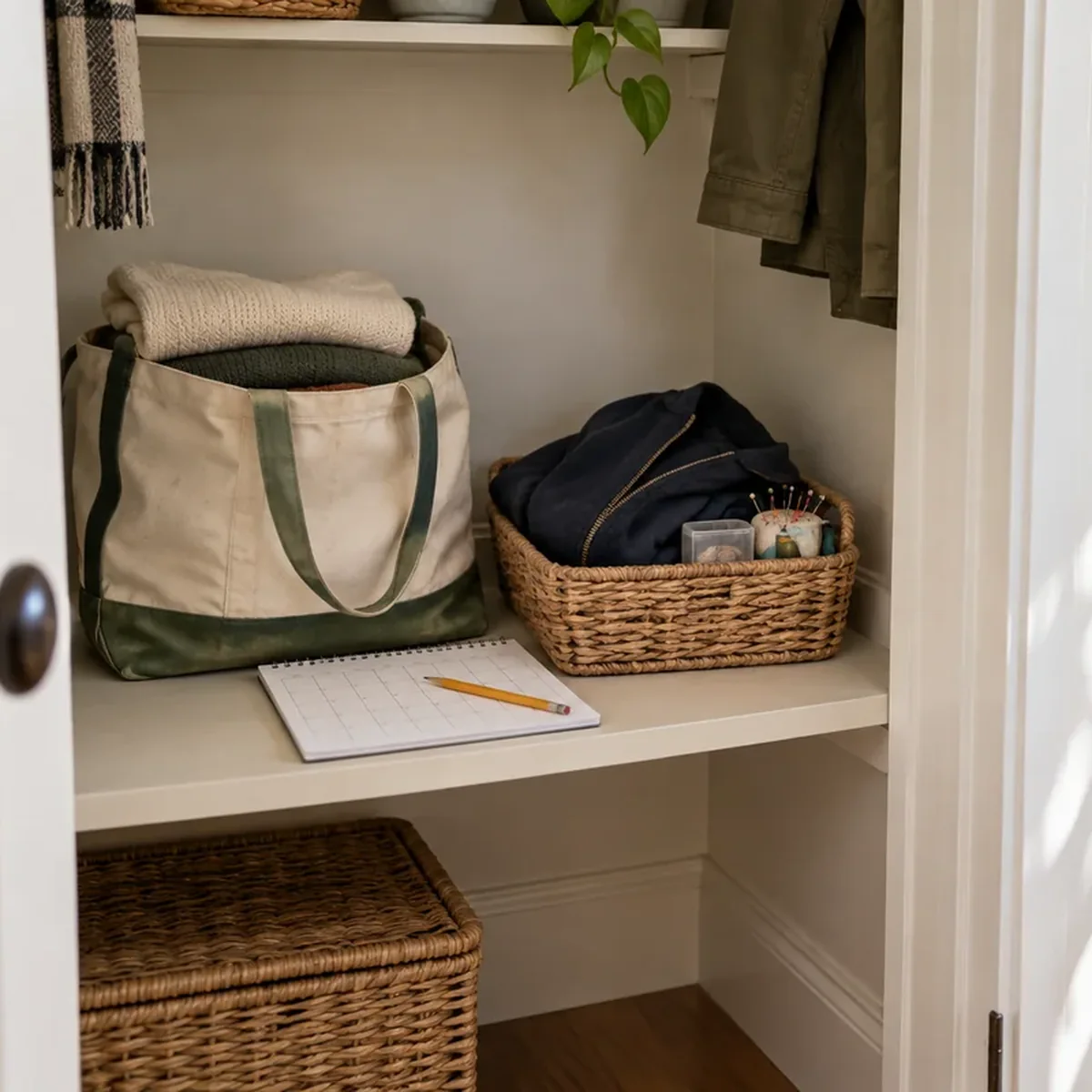
Use a simple label such as “outgoing,” then attach a note with each destination and date. Separate items only when different routes really require it. For example, a donation tote and a small repair basket may be useful; five large containers in a narrow hallway probably are not.
Review the station before a trip you already make. If an item has sat there through several reviews, ask what is blocking it. Is there no recipient, no transport plan, or a repair you do not intend to make? Choose a new route instead of letting the item live in limbo.
Try the method room by room
Kitchen and dining
Look for duplicate utensils, unused serving pieces, and containers without matching lids. Keep the tools you actually reach for. Offer clean, usable extras only after checking that a recipient accepts them. Broken glass and damaged cookware need an appropriate local disposal route. If your shelves also hide duplicate food, use our pantry inventory guide to plan what you will use before buying more.
Closets and linens
Separate clothes you wear from pieces that need a specific repair and pieces you are ready to pass on. A loose button can go on the repair list; an uncomfortable item that has remained unworn may have a better next home. Check donation rules for textiles, shoes, and bedding before packing them. A heavily worn item is not automatically a suitable donation.
Books, toys, and household supplies
Ask whether the item is complete and whether the next person can use it as it is. Keep sets together. Offer books or toys through a local sharing group only when you can arrange a clear handoff. Avoid leaving boxes outside an organization when it is closed; confirm its drop-off instructions.
What if you are not ready to decide?
Some objects carry a memory or represent money already spent. You do not have to force a decision in the middle of a shelf reset. Put a limited number of uncertain items in one clearly dated review box, then return to it after the rest of the area is working. Do not let every difficult decision become a new “maybe” box.
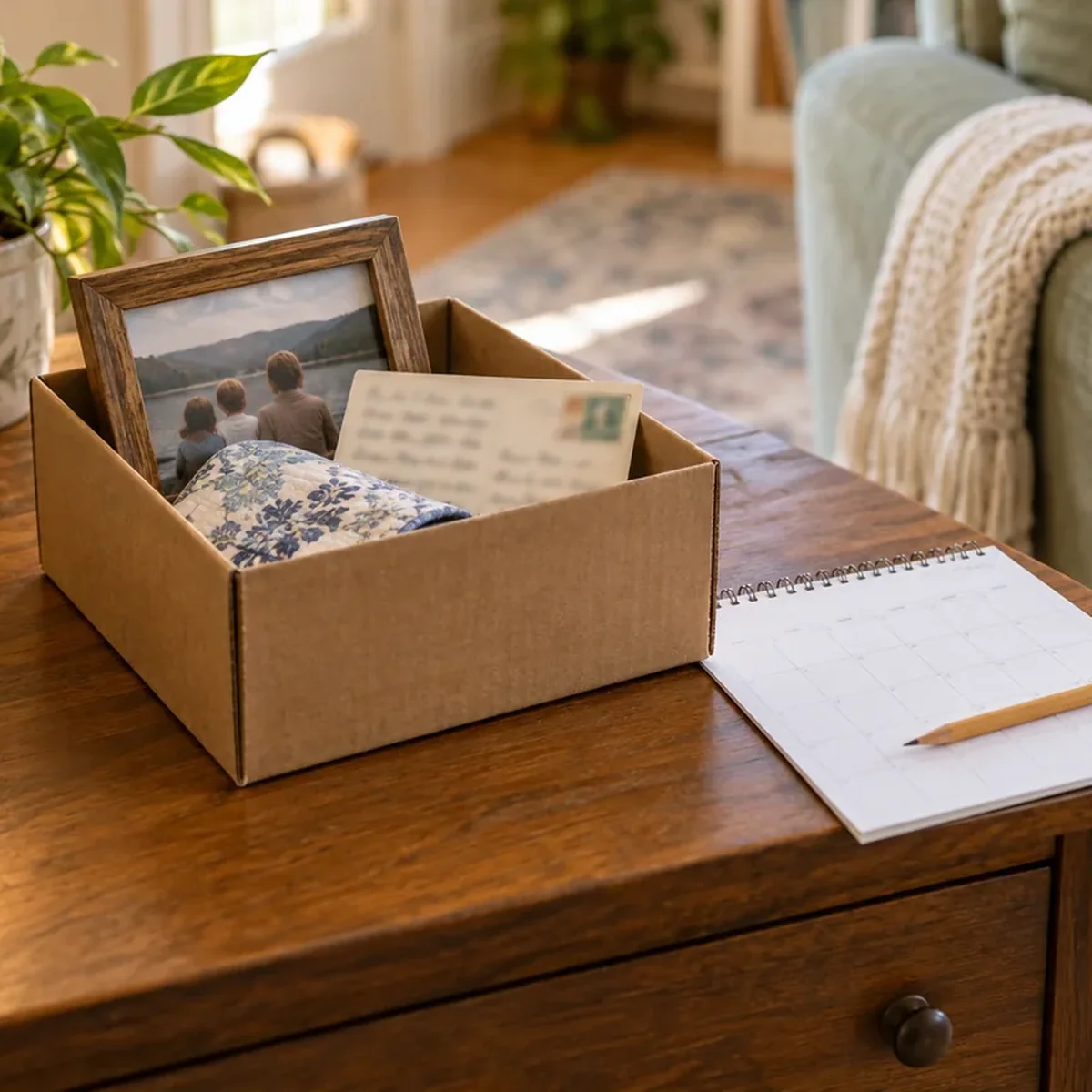
If you want to keep an object for its meaning, give it a deliberate home. If you want to repair it, name the actual repair. If you want someone else to use it, confirm a recipient. A vague future possibility is less useful than a specific choice you can act on.
Common mistakes to avoid
- Buying storage before sorting: Organizers cannot tell you which objects deserve space.
- Making an endless donation pile: Add a destination and a leave-by date to the tracker.
- Calling everything recyclable: Verify the exact item with your local program.
- Keeping every broken item for repair: Limit the repair queue to fixes you can name and schedule.
- Giving away unsafe or incomplete items: Check condition and recipient rules first.
Download the low-waste decluttering plan
The free printable has two pages: a five-route decision sheet and an outgoing items tracker with space for destination and leave-by date. Download US Letter (8.5 × 11 inches) or A4 (210 × 297 mm). Print at 100% or Actual Size for the intended margins.
Start with the smallest area that is getting in your way. Finish the decisions, move the outgoing items to their confirmed destinations, and then repeat. That complete cycle is more useful than a dramatic cleanout that leaves new piles behind.
Sources
- U.S. Environmental Protection Agency, What You Can Do About Climate Change — Waste
- U.S. Environmental Protection Agency, Frequent Questions on Recycling
- Goodwill Industries International, Donate Goods