A gift can be thoughtful and still become one more thing someone has to store. The simplest way to avoid that outcome is to start with the recipient’s life rather than a display of gift ideas. What have they asked for? What do they use up? What would they enjoy doing, with a date that actually works for them?
The quick rule: ask first when you can. If the answer is vague, choose among three routes: a specific requested item, something you know the person will use or consume, or an experience they can schedule. If none fits, a sincere note or a shared plan may be better than a surprise object. This is a decision guide for birthdays, holidays, hosts, and thank-you gifts—not a requirement to stop giving.
Start with a 30-second recipient check
Before opening a shopping tab, write down the answers to these questions:
- What have they named? A wish list, a passing comment, a worn-out item they intend to replace, or an experience they have mentioned.
- What constraints matter? Space, size, allergies, diet, mobility, travel, preferred brands, and whether they enjoy surprises.
- What happens after the handoff? Will they need to store it, maintain it, exchange it, book it, or find a place for it?
If you do not know the answers, ask a direct, low-pressure question: “Would you rather choose something specific, do something together, or skip gifts this year?” It may feel less dramatic than guessing, but it respects the person who will live with the result.
Route 1: Buy the specific thing they asked for
A requested item is not less thoughtful because it is predictable. It can be the best choice when the person knows their own size, taste, or equipment. Check the exact version and color before you order, especially for clothing, electronics, hobby supplies, and replacement parts. If a group wants to contribute, coordinate once rather than buying several similar items.
When buying a physical gift, consider how long it is likely to be useful and whether it can be repaired or refilled. Do not treat a “green” label as proof by itself; our guide to checking environmental claims while shopping explains what to look for.

Route 2: Choose something they will actually use up
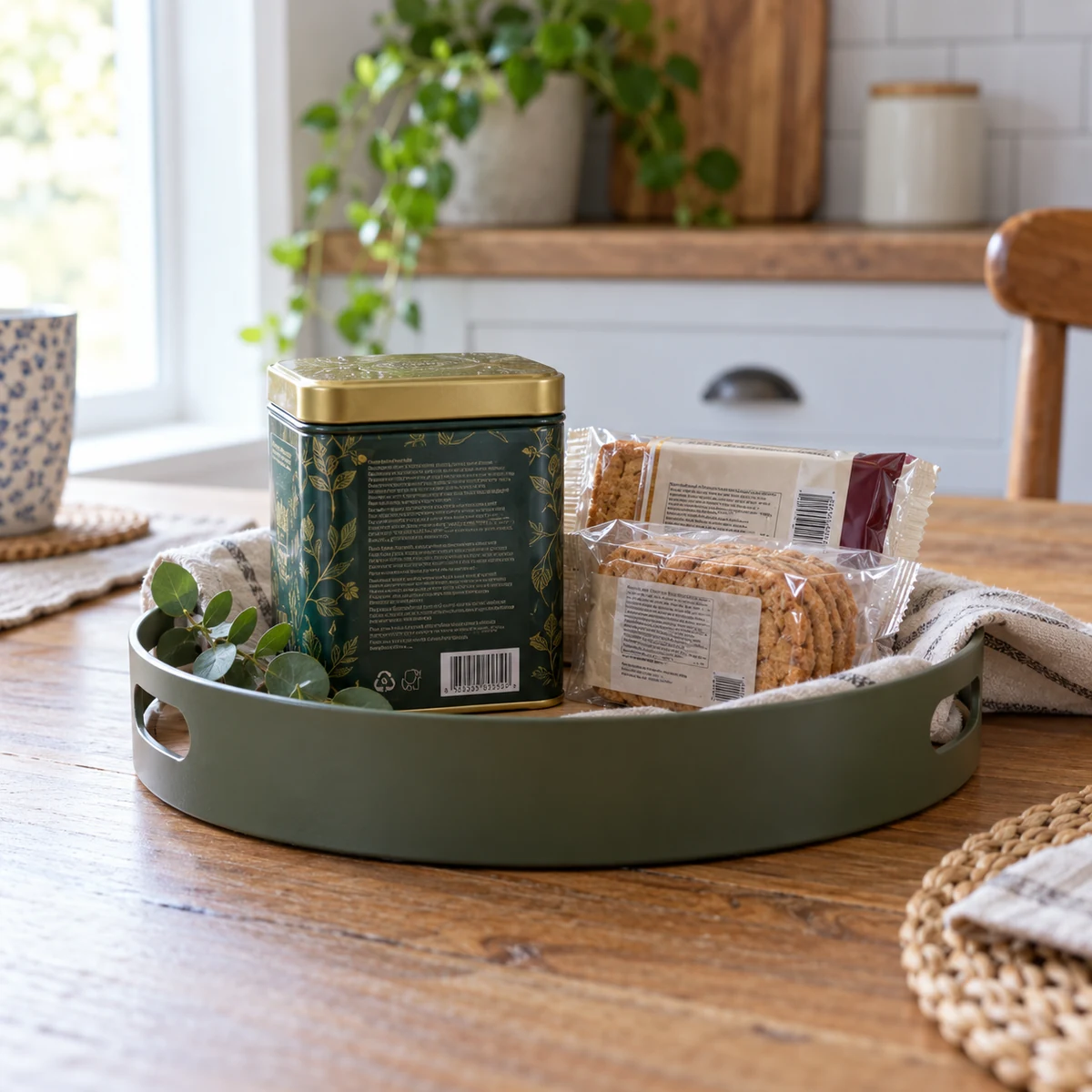
A favorite tea, coffee, soap, pantry specialty, or local treat can work when you know the recipient’s preferences. Keep the quantity realistic. A huge hamper is still clutter if half its contents are unsuitable. Check dietary restrictions and sensitivities before giving food, scents, or skincare. If you are unsure, ask.
Use the recipient’s actual habits as your test. “They drink this exact tea every morning” is a stronger reason than “everyone likes tea.” A refill of a product they already use may be more welcome than a new scent or a new container. Present the item in its original packaging with any needed ingredients or care information intact.
Route 3: Offer time together, with a usable plan
An experience does not need to be expensive. A museum visit, a walk followed by lunch, a class, or an offer to help with a task can be meaningful if the recipient wants it. The important part is making it easy to accept. Offer two possible dates, say who is paying for tickets or transport, and make it clear that “no” is fine.
A vague promise of “we should do something sometime” can be hard to use. Try: “I’d love to take you to the botanical garden this autumn. Are either of these Saturdays good?” If travel, childcare, access, or health makes the plan difficult, adapt it or choose another route. The U.S. Environmental Protection Agency includes experiences and time together among its ideas for reducing gift-related waste.

When secondhand is a good gift
Secondhand can be excellent for a specific book, a discontinued game, a vintage piece the person has asked for, or a repairable item you can inspect. It is less helpful when “pre-owned” becomes a reason to ignore fit, condition, safety, or the recipient’s preference. Ask before gifting furniture, clothing, or anything large. Inspect the item, clean it appropriately, and be honest about its condition.
For larger purchases, use our secondhand furniture checklist. For clothing gifts, sizing and return options matter; our secondhand clothing guide covers the measurements to check.
Wrap it without creating a second gift problem
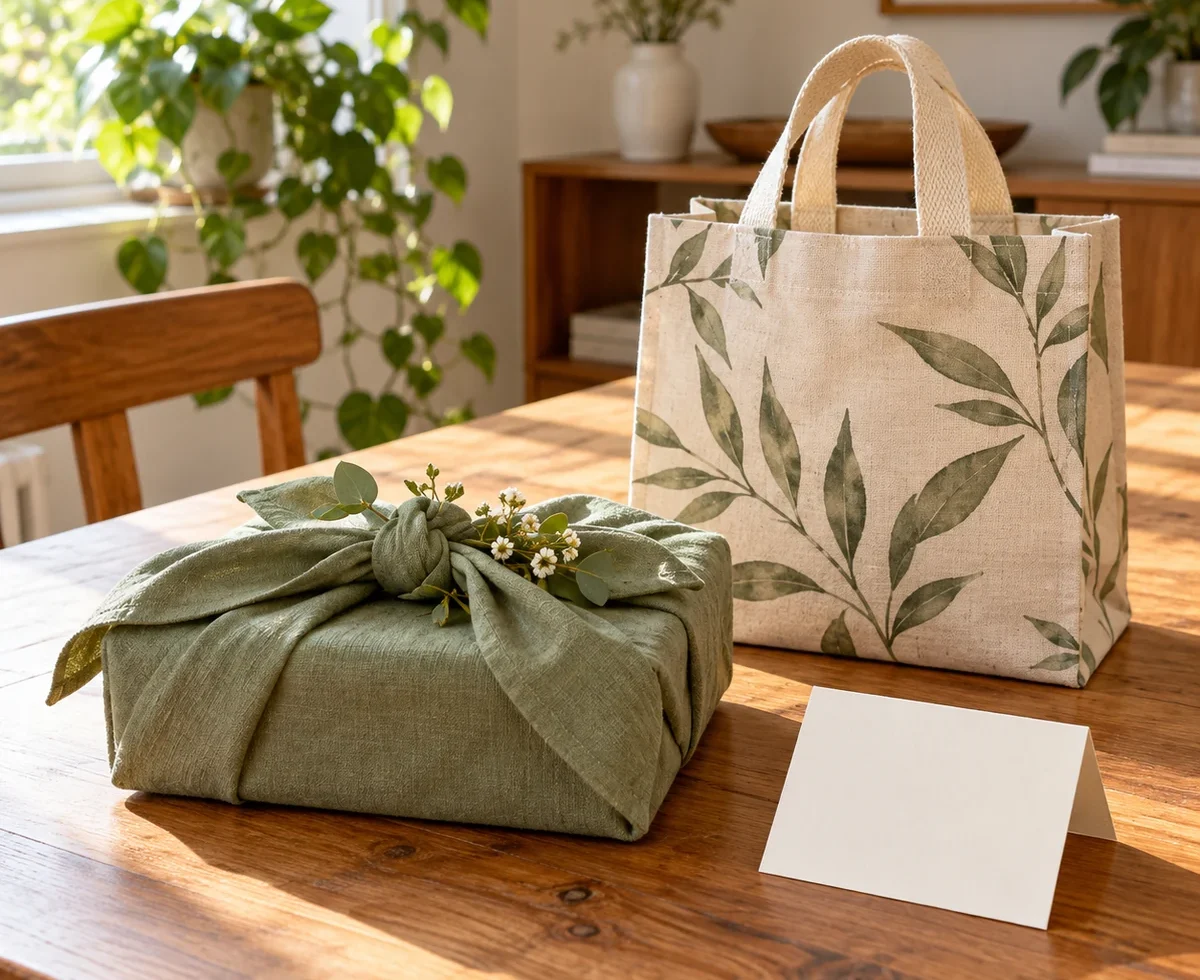
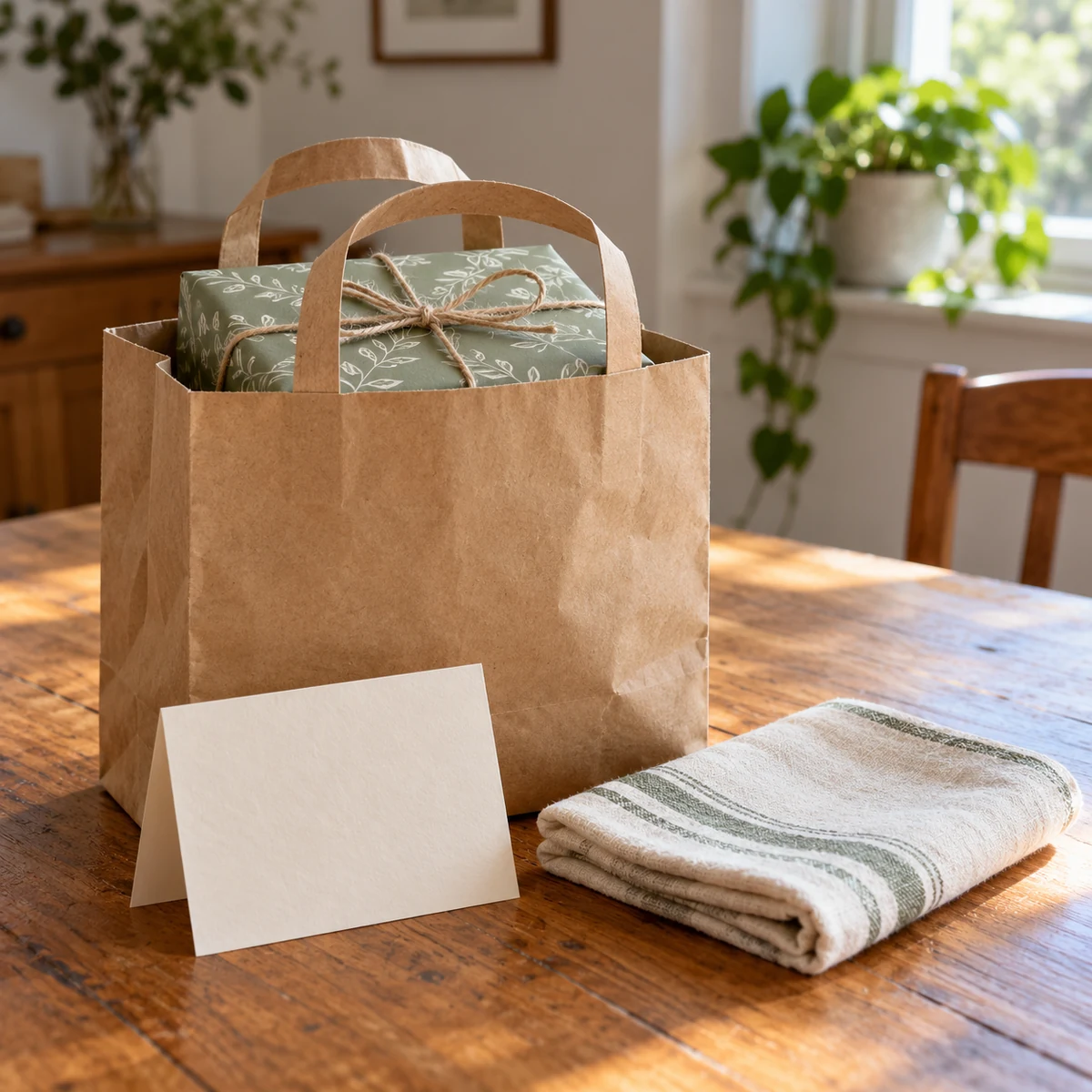
Reuse a clean gift bag, a box you already have, or a fabric wrap that the recipient will use again. If you buy wrapping paper, check local recycling rules rather than assuming shiny or laminated paper belongs in the paper bin. The EPA notes that many coated wraps cannot be recycled and encourages reusing gift bags and tissue paper.
Packaging should protect the gift and be easy to open. You do not need several layers or a large decorative basket to make a small, well-chosen present feel generous. A short note explaining why you chose it often carries more meaning than extra filler.
What to do when you are still unsure
- Ask for a short wish list: three options at different price points leave room for a surprise without making the recipient guess your budget.
- Offer a choice: a visit together or a specific item they choose can be more useful than a random object.
- Check the return route: if you must buy an uncertain size or style, keep the receipt and confirm the return window before purchase.
- Agree to skip gifts: for some relationships, a meal, call, or handwritten message is the preferred exchange.
Questions people ask
Is asking what someone wants less thoughtful?
No. The question can show that you care about their taste and space. You can still make the handoff personal with a note or by choosing from a few requested options.
Are experiences always better than physical gifts?
No. An outing that is difficult to schedule or afford can become a burden. A requested physical item may be exactly right. Choose the route that fits the person.
Should I give a consumable when I do not know their preferences?
Ask first, particularly about food allergies, diet, and scent sensitivities. A consumable only works well when it is something the recipient can and wants to use.
If buying pressure makes it hard to pause before a purchase, read our guide to stopping impulse buys online. The same pause helps when shopping for other people: a clear reason for the gift is more useful than a countdown timer on a product page.
Sources
- U.S. Environmental Protection Agency: Frequent Questions on Recycling — gift wrap recyclability and reusing gift bags and tissue paper.
- U.S. Environmental Protection Agency: Tips for an Environmentally Friendly Holiday — experience gifts and lower-waste wrapping ideas.