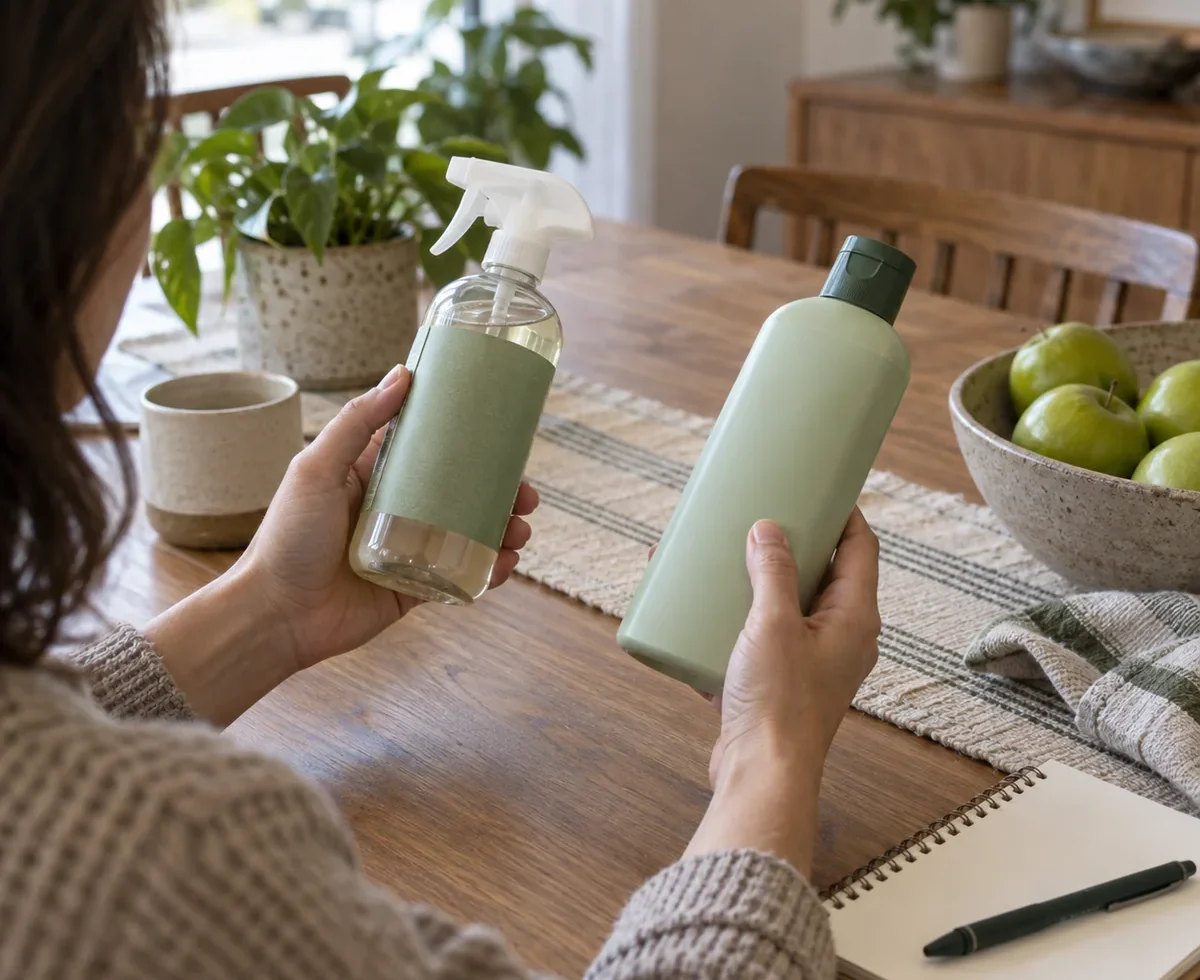
A green-colored bottle, a leaf icon, and the word “sustainable” can make a product feel like an easy choice. They do not tell you what was measured, who checked it, or what happens to the package after you use it. Learning how to spot greenwashing means slowing down long enough to turn a broad impression into a specific question.
You do not need to become a materials expert or assume every environmental claim is false. This guide gives you a short way to examine a claim before buying a household product. It follows U.S. Federal Trade Commission (FTC) consumer guidance on environmental marketing and U.S. Environmental Protection Agency (EPA) advice on reducing waste. Start with one product you were already considering.
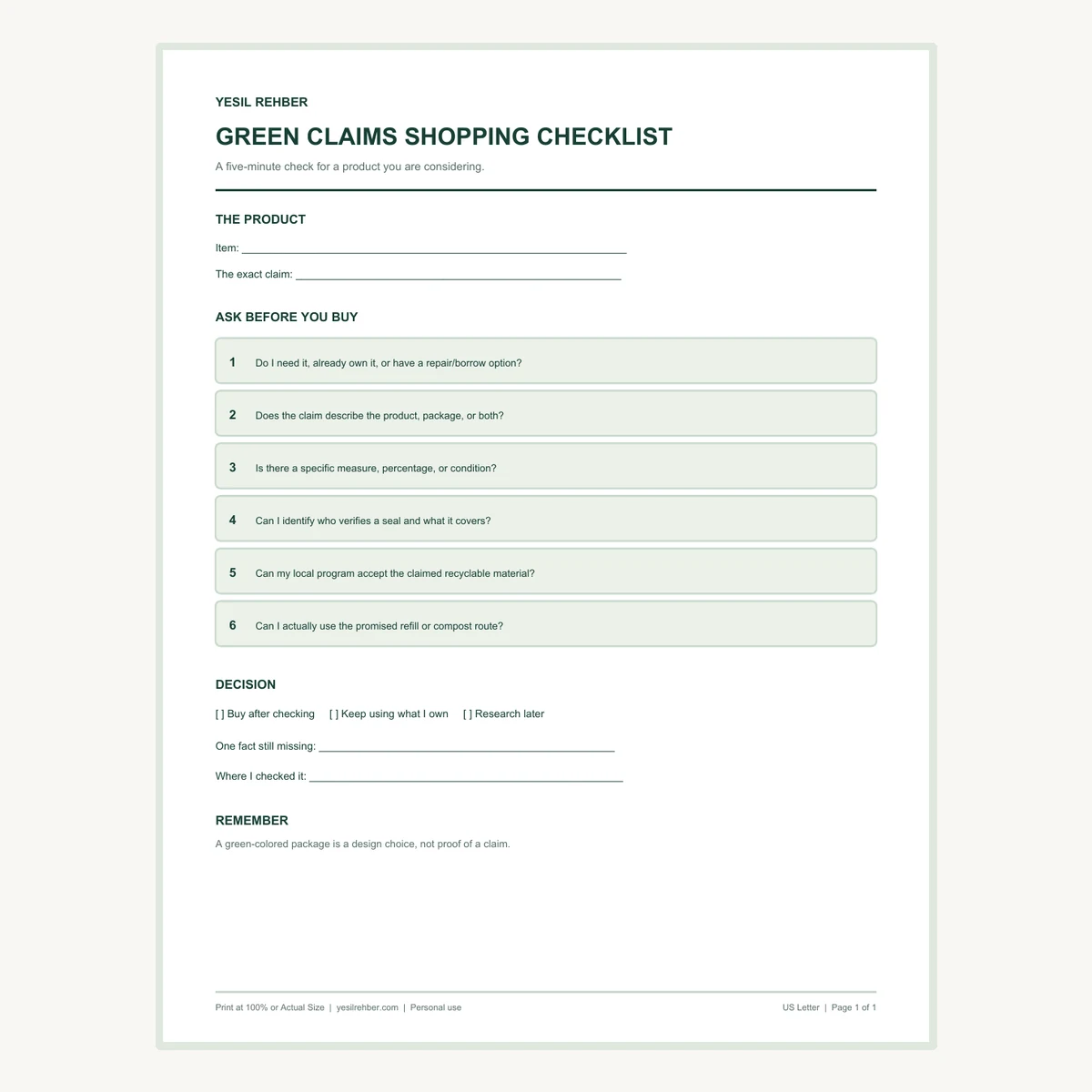
Free Green Claims Shopping Checklist
Use the one-page checklist to write down the exact claim, check what it covers, and decide whether to buy, keep using what you own, or research later. Choose your paper size and print at 100% or Actual Size.
The quick test: what, how much, and who checked?
Read the claim as a sentence rather than a mood. What part of the item is described: the contents, bottle, shipping box, or manufacturing process? How much of it has the advertised attribute, and under what conditions? Who checked the claim, and can you find the standard or evidence? If the label cannot answer basic questions, make a note and compare another option rather than filling in the blanks yourself.
A useful claim might say a package contains a stated percentage of recycled material, and clearly identify which package. “Better for the planet” is too broad to tell you what changed. The FTC’s Green Guides are guidance for marketers about avoiding misleading environmental claims; as a shopper, you can use the same distinction between a specific statement and a sweeping impression.
1. Ask whether you need a new product at all
Before comparing labels, check the problem you want to solve. Do you already own something that works? Could a small repair, refill, borrowed item, or used item meet the need? The EPA suggests asking whether you need the item, will use it, already own it, or could borrow it. A new “eco” product still uses materials and may replace an item that had useful life left.
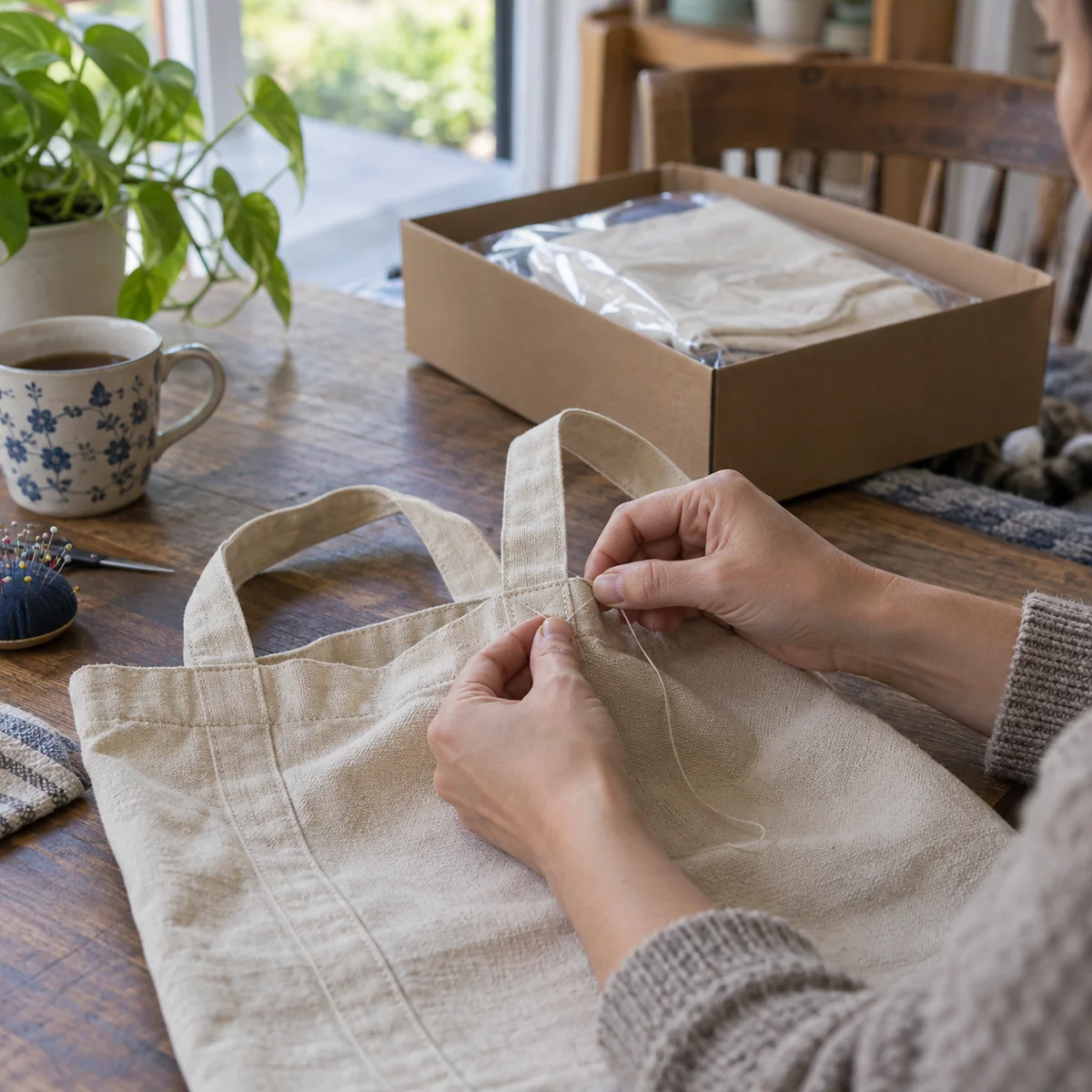
This is a choice, not a rule to keep unsafe or ineffective products. If an essential has failed or a product does not suit your needs, replacing it can be sensible. The point is to decide whether the environmental label helps solve a real need instead of creating a new purchase on its own. For a broader purchase pause, try our seven-day mindful shopping reset.
2. Pin down exactly what the claim describes
“Made with recycled content” can refer to the item, its container, or both. The FTC advises shoppers to check which part the claim covers and, when the material is not entirely recycled, how much recycled content is present. A small recycled cardboard sleeve does not make every part of the product recycled. Similarly, a reusable bottle is not automatically a reusable delivery system unless you can actually get and use the refill.

Read small qualifiers next to the claim, not just the front panel. “Bottle made with 30% recycled plastic” is more precise than “recycled product,” but you still need to know whether the cap or pump is excluded if that matters to your choice. Look for a clear percentage, material, component, and comparison point. If a company says “less waste,” ask: less than what, measured how?
3. Check “recyclable” against your local program
A recyclable label is not a promise that your curbside bin accepts the item. The FTC says local recycling availability matters, and tells shoppers to ask city or county authorities about options. Material type, size, coatings, and small attachments can all affect what a program accepts. Check the rules for the exact component in your area before making a purchase because you expect it to be recycled.
Keep the product and package separate in this check. Your local program might accept a cardboard outer box but not a flexible inner pouch, or accept a bottle but ask you to remove a pump. Do not place a doubtful item in the bin just because it has a chasing-arrows symbol; your local program’s instructions are the practical answer. If you cannot confirm acceptance, treat the disposal claim as uncertain when you compare products.
4. Treat “biodegradable” and “compostable” as different questions
“Biodegradable” says little about what happens in a landfill. The FTC notes that landfills limit air, light, and moisture, which can slow decomposition. If a product that normally goes to landfill is marketed as biodegradable, look for an explanation of how long and how completely it breaks down under that disposal route. Do not assume it disappears quickly just because it can break down under some conditions.
For “compostable,” find out whether the claim applies to home composting or a commercial facility and whether you have access to the right route. A product that needs industrial conditions is not suitable for every backyard pile. A claim can be relevant and still be of little practical use to you if the required collection service is unavailable. Follow local compost program rules for accepting specific products.
5. Verify what a seal or certification actually covers
A badge is useful when you can identify the organization behind it, find its criteria, and understand which benefit was assessed. The FTC says a seal should tell consumers enough to understand its meaning and disclose a connection between the company and the certifying organization when that connection would affect a shopper’s view. A self-created leaf badge with no explanation does not answer those questions.

For example, EPA’s Safer Choice program evaluates the ingredients of qualifying chemical-based products against its criteria and also requires performance standards. It is a specific program for specific product categories; its label does not mean every environmental impact of a product is zero. Search the program’s product listing if you want to verify a product rather than relying only on a similar-looking mark on a package.
6. Test whether a “refillable” claim works in real life
A sturdy bottle can be worth keeping, but first find the refill that fits it. Is it sold where you shop or available through an accessible service? Can you reuse the bottle safely according to the product instructions? What packaging does the refill arrive in? FTC Green Guides say marketers should not make an unqualified refillable claim unless they provide a means to refill the package. The practical question for you is whether that route is usable more than once.
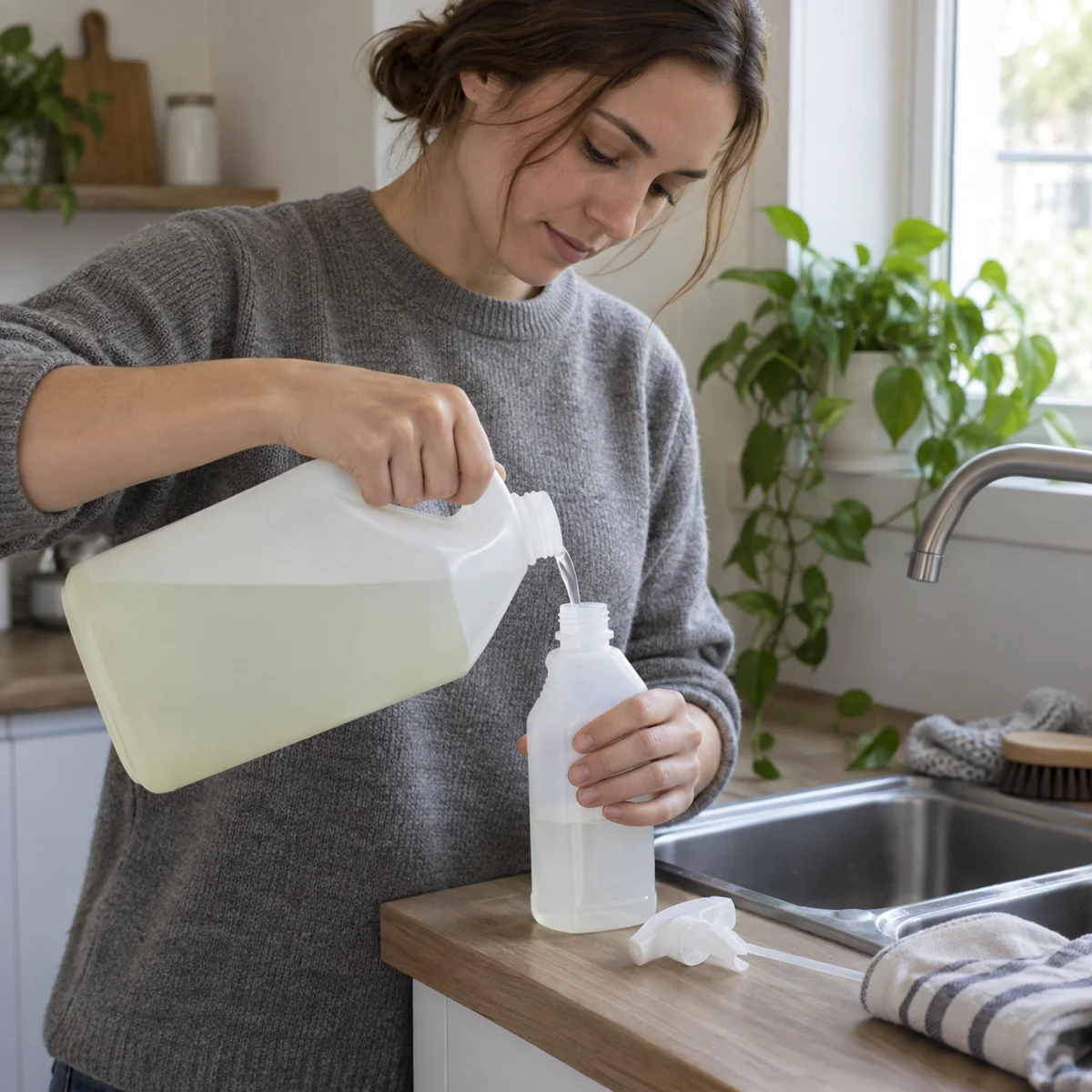
Do not pour an unfamiliar chemical into a bottle with an old label or mix leftover cleaning products. Keep original identification and follow manufacturer instructions. If a refill system is inconvenient enough that you will buy a new bottle each time, its potential benefit may never materialize in your household.
7. Read “natural,” “non-toxic,” and “free of” carefully
“Natural” describes an origin or marketing idea, not a complete safety assessment. The EPA says you cannot tell whether a cleaner is safer without knowing its ingredients and potential effects. The FTC says a “non-toxic” claim should be supported for both people and the environment, unless the marketer clearly limits it to one. A “free of” statement can also be unhelpful if another ingredient creates a similar concern.
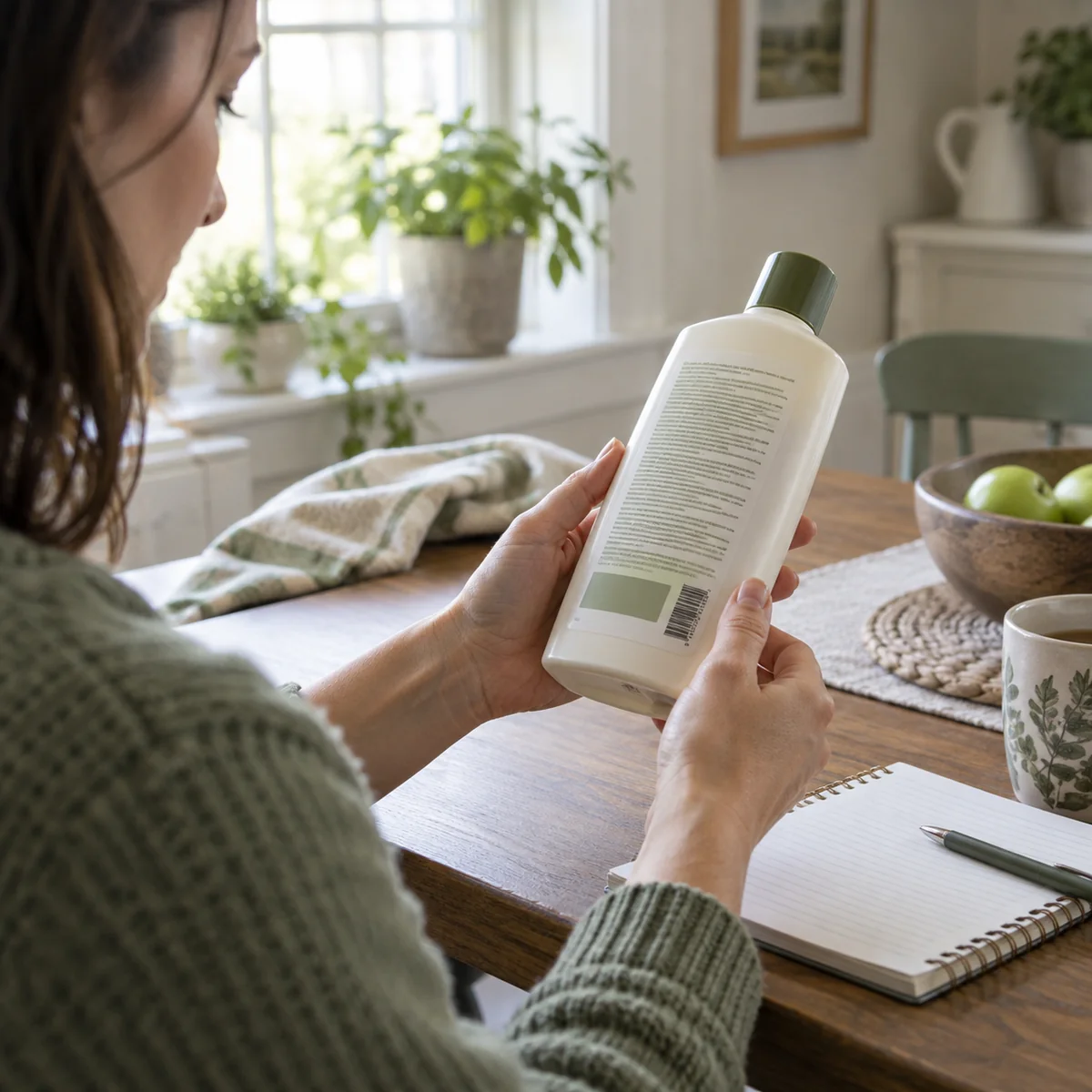
Use the product as directed and keep specific needs in view, such as a fragrance preference or a surface that requires a particular cleaner. A certification may help with one question, while ingredient disclosure and use instructions answer others. No single adjective replaces the full label.
A five-minute example at the shelf
Suppose you need dish soap and one bottle says “eco-friendly refill.” First, check whether you already have enough soap. Next, read what “eco-friendly” refers to: ingredients, bottle, refill pouch, or shipping. Find the refill format and where you can buy it. If you see a seal, look up the issuer and criteria. If the bottle says recyclable, check your local program for the bottle and its pump separately. Then compare the full price and whether the product works for your needs. You may buy it, choose another option, or keep using what you have until more information is available.
You do not need every product to win every check. A narrow, well-supported benefit can be useful. A product that claims to be perfect on every dimension without explaining how deserves more scrutiny. Write down one unanswered question and move on; this keeps the process useful instead of turning each grocery trip into a research project.
Download the checklist and make one deliberate choice
Print the US Letter PDF (8.5 × 11 inches) or the A4 PDF (210 × 297 mm) at 100% or Actual Size. Use it for one product you were already planning to buy. Record the exact wording, what you could verify, and what is still uncertain. That small habit makes a green claim something you can examine rather than a feeling you have to trust.
Sources
- Federal Trade Commission, Eco-Friendly and Green Marketing Claims.
- Federal Trade Commission, Environmental Claims: Summary of the Green Guides.
- U.S. Environmental Protection Agency, Frequently Asked Questions on Safer Choice.
- U.S. Environmental Protection Agency, Think Green Before You Shop.