Buying a second bag of rice while the first is still in the cupboard is annoying. Buying fresh spinach with no meal for it is worse: it can disappear into the back of the refrigerator before anyone eats it. A useful grocery list begins at home, with what you already own and the meals you will actually eat before the next shopping trip.
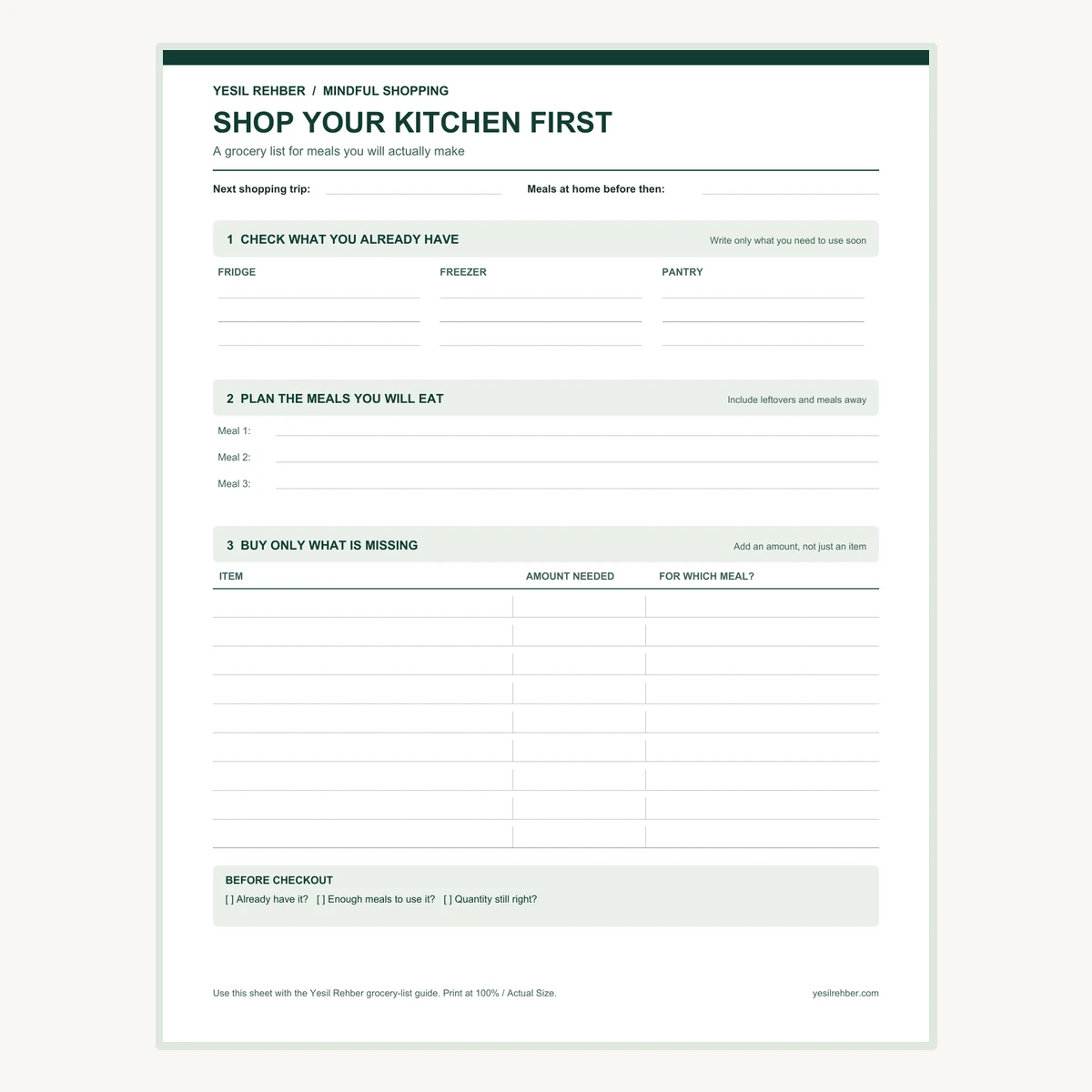
The quick answer: Check the fridge, freezer, and pantry. Choose a few meals that use what needs attention first. Count how many meals you will eat at home, including leftovers. Then write only the missing ingredients, with an amount and the meal each one supports. Keep the list flexible enough to adjust when a store is out of stock.
Free Shop Your Kitchen First Grocery List
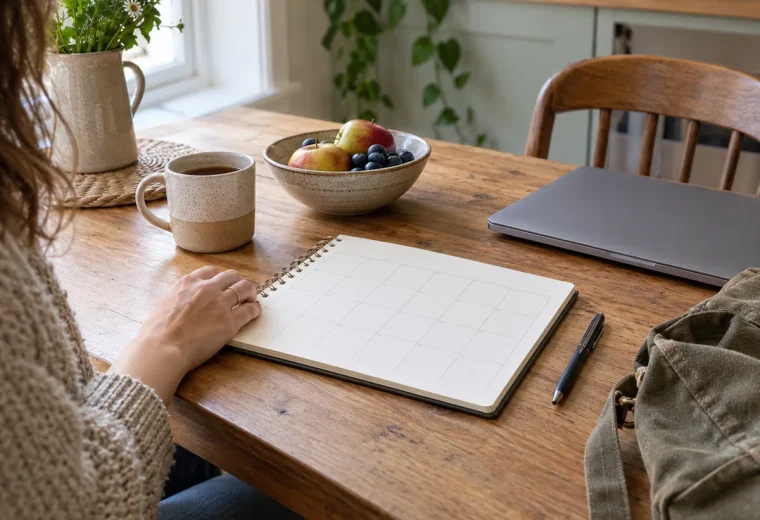
The one-page printable has space to check your fridge, freezer, and pantry, plan three meals, and write each missing item with its quantity and purpose. Choose US Letter or A4 and print at 100% or Actual Size.
1. Look through the refrigerator first
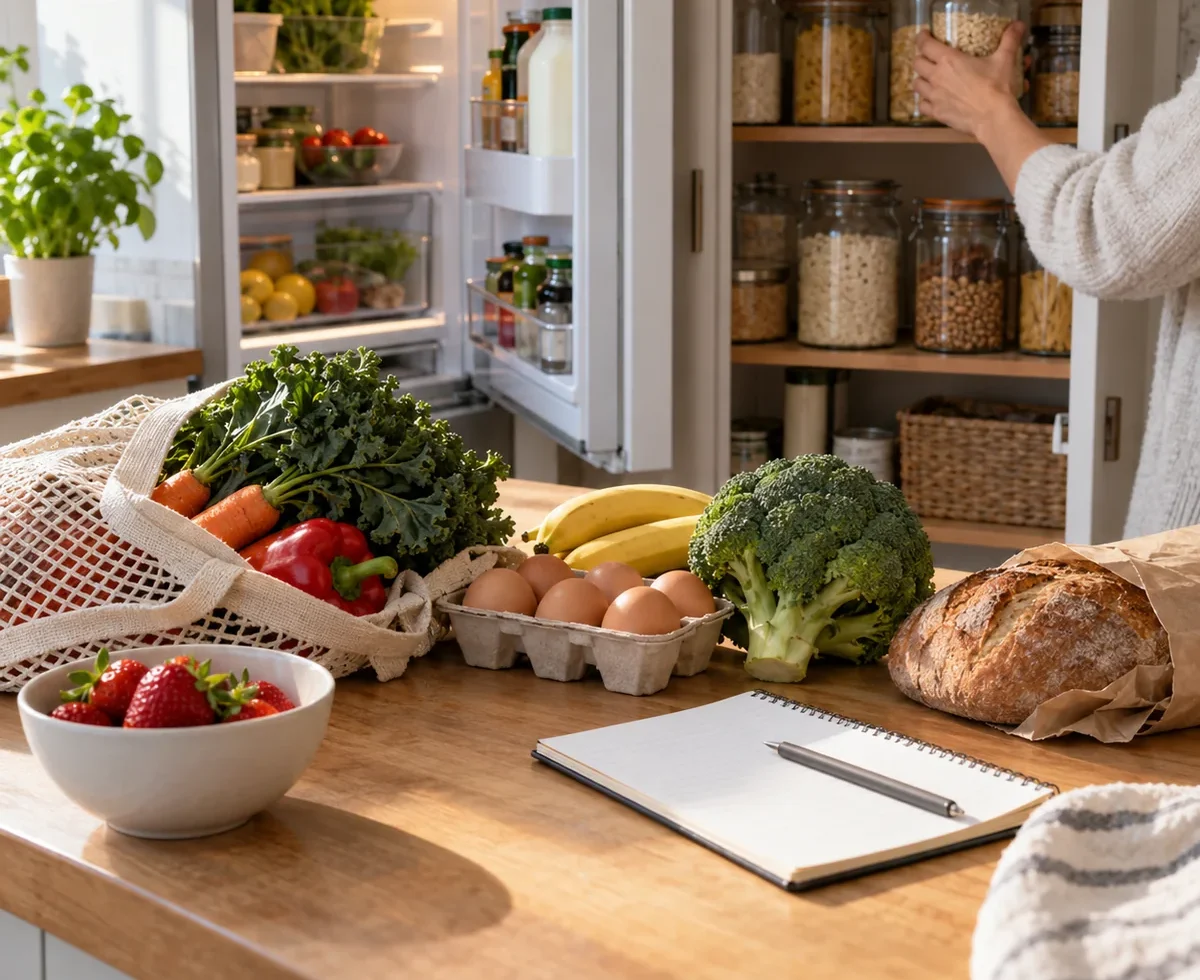
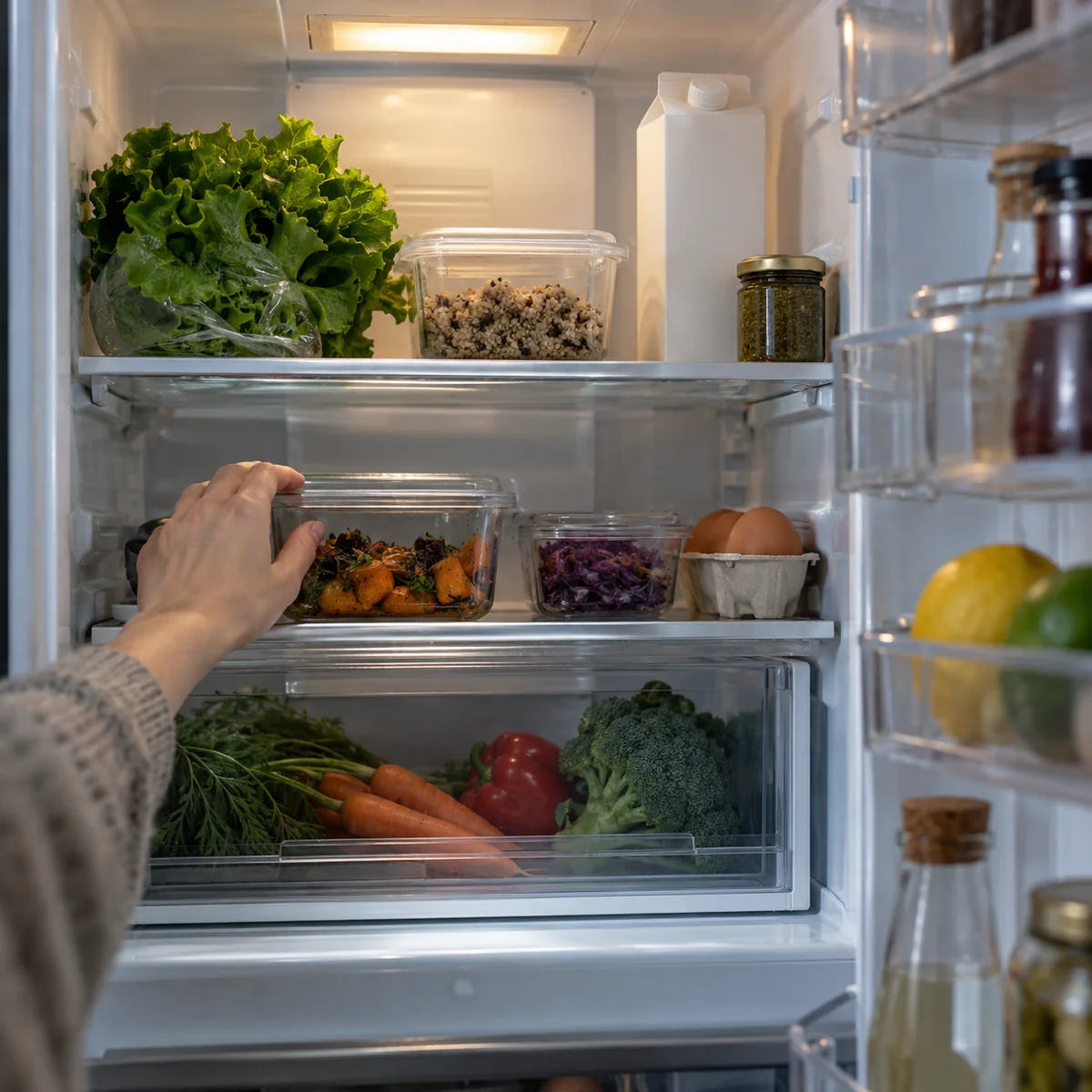
Open the drawers and check the back shelf, not just the items you can see at a glance. Note the ingredients you want to use soon: an open container of cooked food, a half-used vegetable, fresh herbs, or a carton that is nearly empty. Check that food has been stored safely; a shopping plan is not a reason to keep food that has spoiled or was handled unsafely.
Write short, useful notes such as “half bag spinach” or “two lunches of leftovers.” You do not need a complete inventory. You need enough information to avoid buying duplicates and to give perishable food a real place in the next few meals. The U.S. Environmental Protection Agency recommends looking in the refrigerator, freezer, and pantry before shopping and planning meals around what needs to be used.
2. Check the freezer and pantry for the missing half of a meal
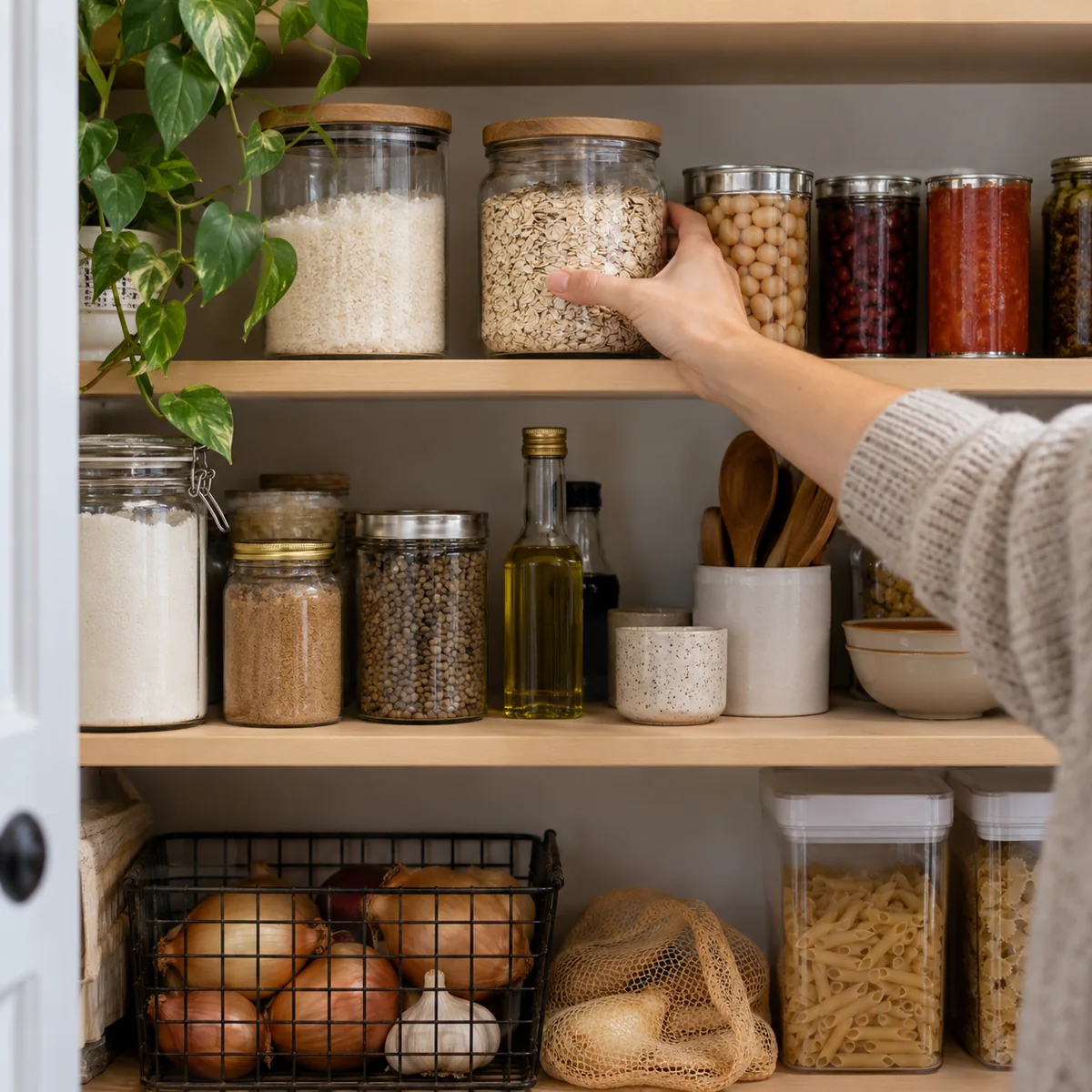
A bag of frozen vegetables, cooked beans, pasta, or rice may already provide the base for dinner. Check quantities, not just whether you own something. “Some rice” is less useful than “enough rice for two dinners.” If you keep a freezer list, compare it with what is actually inside; our freezer organization guide shows a simple way to keep food findable.
Do not turn this into a full pantry reorganization before every trip. A quick scan of the foods in your next few meals is enough. If duplicate packets are a recurring problem, the pantry guide offers a more lasting setup.
3. Count the meals you will actually eat at home
Look at the days until your next shop. Mark evenings when you will eat out, use leftovers, or rely on a meal already in the freezer. Choose a small number of meals your household is willing to cook. A list for seven elaborate dinners is unlikely to help if you have time to make three.
For example, suppose you have rice, a can of chickpeas, half a bag of spinach, and two eggs. You might plan a chickpea-and-spinach rice bowl, then use the remaining rice and eggs in another familiar meal. That is a plan for two meals built largely from food already on hand. The exact recipes can change; the useful part is giving each ingredient a job.
4. Write the missing ingredient, amount, and purpose
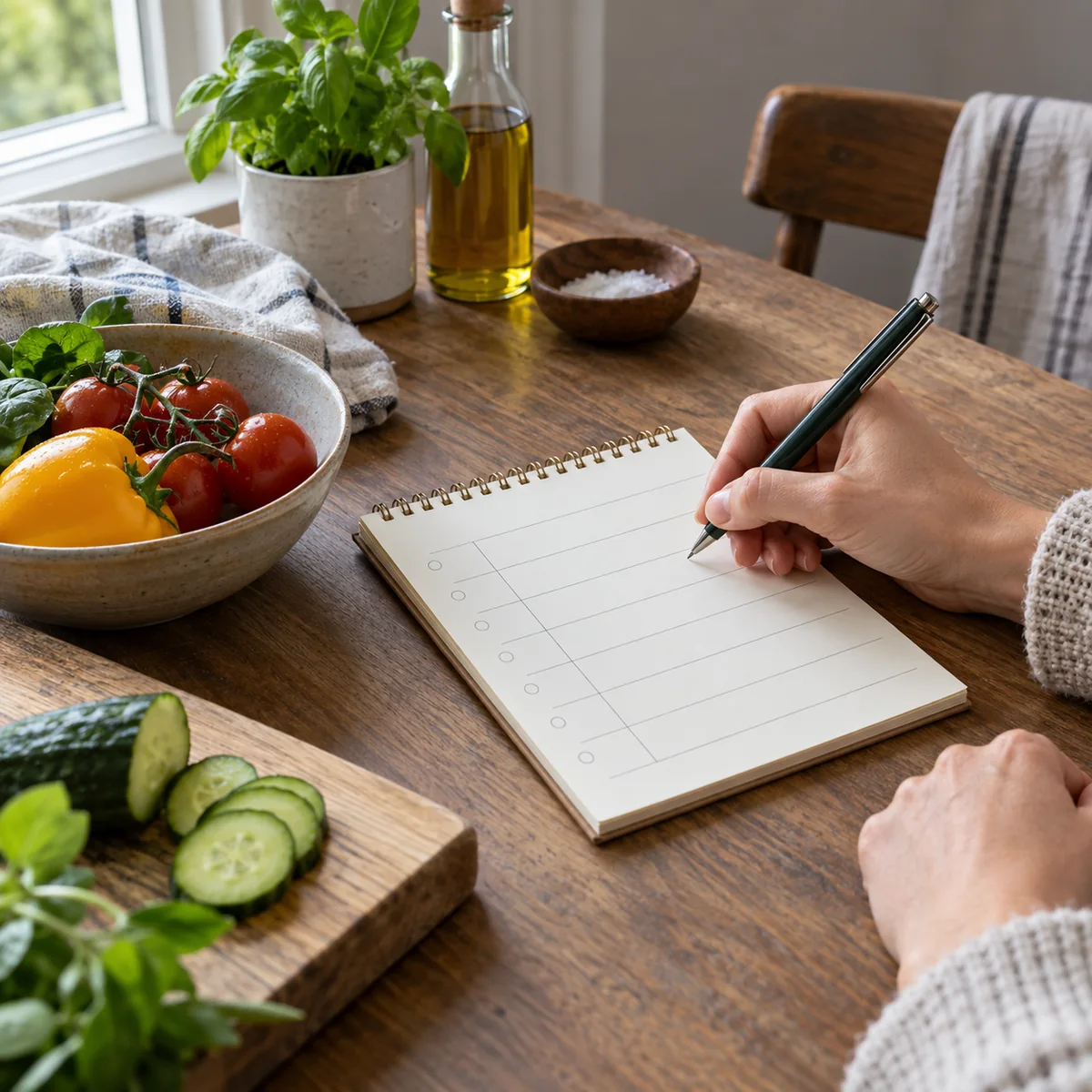
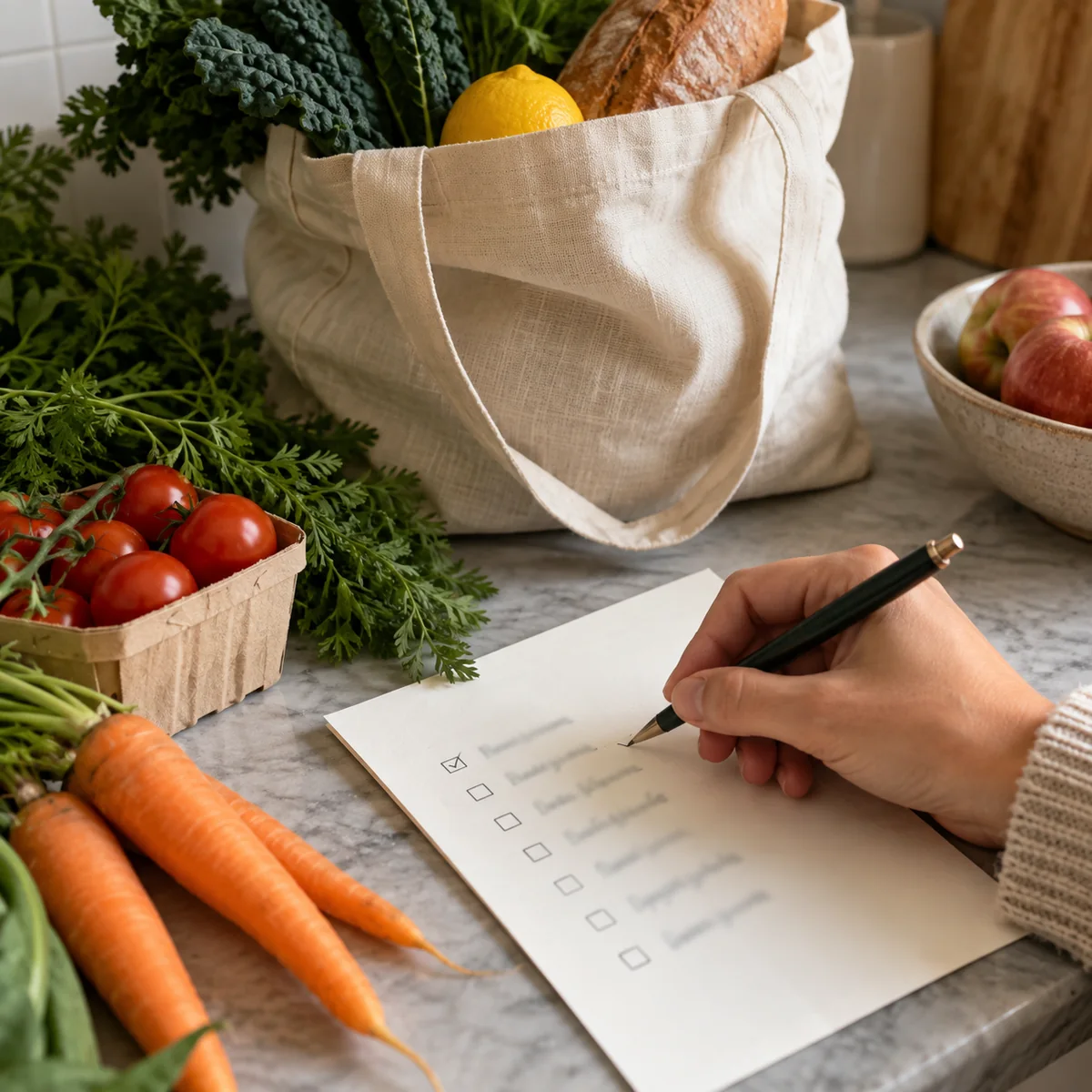
Now write what those meals lack. Instead of “vegetables,” try “one onion for the chickpea bowl.” Instead of “greens,” note whether the spinach you have is already enough. Add everyday staples only after checking their containers. The EPA suggests including quantities and the number of meals each fresh item will serve, which makes overbuying easier to spot.
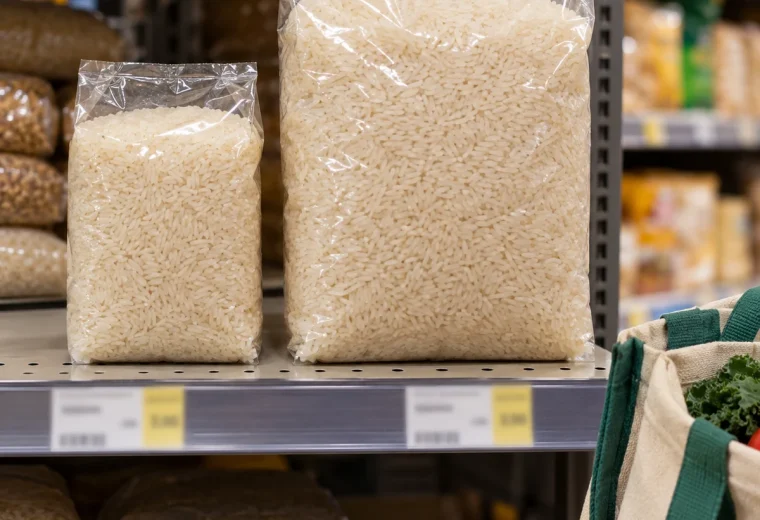
Keep a small separate section for necessities that are not tied to a meal, such as bread or milk your household routinely uses. If a sale offers more than you can use or store, the larger package may not be the better buy. Our unit-price guide explains how to compare value without ignoring the amount you will actually eat.
5. Make one final check at the store
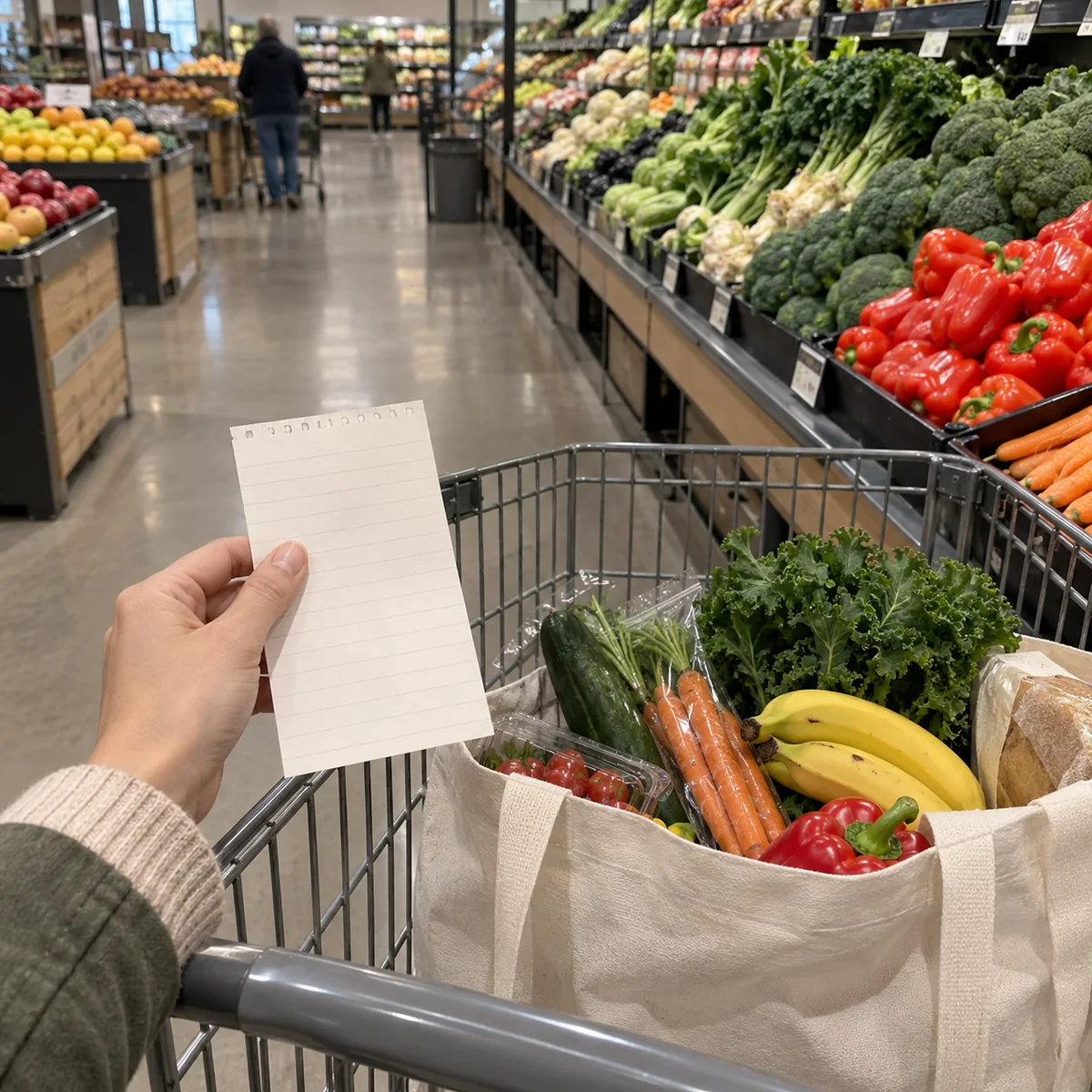
Before a tempting promotion goes into the cart, ask: “Do I already have this? Which meal uses it? Can I use this amount before it loses quality?” You can substitute a similar ingredient if it fits the meal and your budget. The list is a decision tool, not a rule that prevents sensible changes.
After unpacking, put the ingredients you planned to use soon where you can see them. If the same food repeatedly goes unused, buy a smaller amount next time or stop putting it on an aspirational list. One real shopping trip teaches more than a perfect list you never follow.
Questions people ask
Do I need to plan every meal?
No. Start with the meals most likely to use food already in your kitchen, then leave room for a simple fallback meal. The list should match how your household really eats.
What if I shop more than once a week?
Count meals only until the next trip. Shorter intervals can make fresh-food quantities easier to judge, provided the extra trips suit your schedule.
Should I buy a larger package when the unit price is lower?
Only if the total amount fits your meals, storage space, and budget. A lower unit price does not help if part of the package is never used.
Sources
- U.S. Environmental Protection Agency: Preventing Wasted Food at Home — checking food on hand, planning meals, and writing quantities on shopping lists.
- USDA Agricultural Research Service: Ways to Fight Food Waste — checking pantry and refrigerator supplies before shopping.