
A “no-buy month” sounds simple until the washing machine breaks, a child needs new shoes, or a friend invites you to dinner. The useful version is not a contest to spend nothing. It is a 30-day pause on purchases you tend to make automatically, with clear room for essentials, repairs, and real life.
The quick answer: Pick one or two spending categories to pause, write your exceptions before you start, check what you already own, and record the purchases you considered. Keep paying for needs and planned obligations. At the end of 30 days, review what you actually used, bought, repaired, or no longer wanted. The goal is a better decision process, not a perfect score.
Choose a boundary you can explain in one sentence
“Buy nothing” can be too vague to guide a decision. Try a narrow rule such as “For 30 days, I will not buy new clothing or home decor.” Keep groceries, medicine, necessary transport, bills, and an essential replacement outside that pause. Your exceptions should reflect your household, not somebody else’s social-media challenge.
Write the start and end dates and decide what counts. Does a secondhand purchase count? What about gifts, a repair part, or a subscription renewal? The answer can differ by category; decide it before a tempting item appears. The Consumer Financial Protection Bureau encourages tracking spending and setting a rule for discretionary purchases. This challenge is one way to test a rule, not a substitute for a full budget.

Check what you already have before making a list of wants
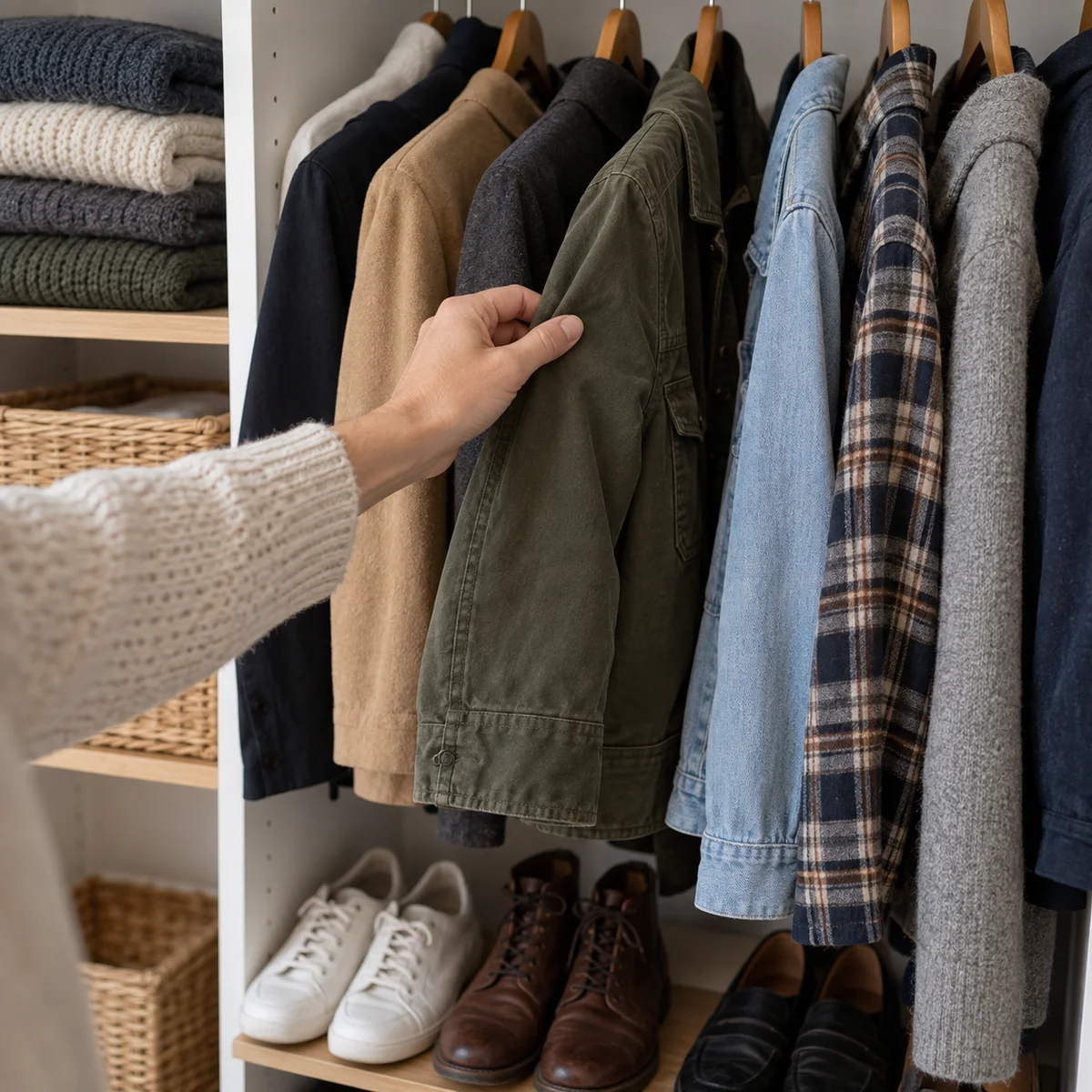
Spend ten minutes with the category you chose. If clothing is your pause, look through the clothes you actually wear and note what already serves the job. If kitchen items are your pause, check the cupboard. Photograph an item you regularly forget you own. A small inventory can reveal duplicates and also show a genuine gap that your rule should allow you to address.
Do not turn the challenge into an excuse to keep unsafe or unusable things. Repair a practical item when that makes sense, and replace a necessary item when delay would cause a real problem. Our capsule wardrobe guide helps you see useful clothing combinations before buying more.
Make “use, borrow, repair, then buy” a question, not a command
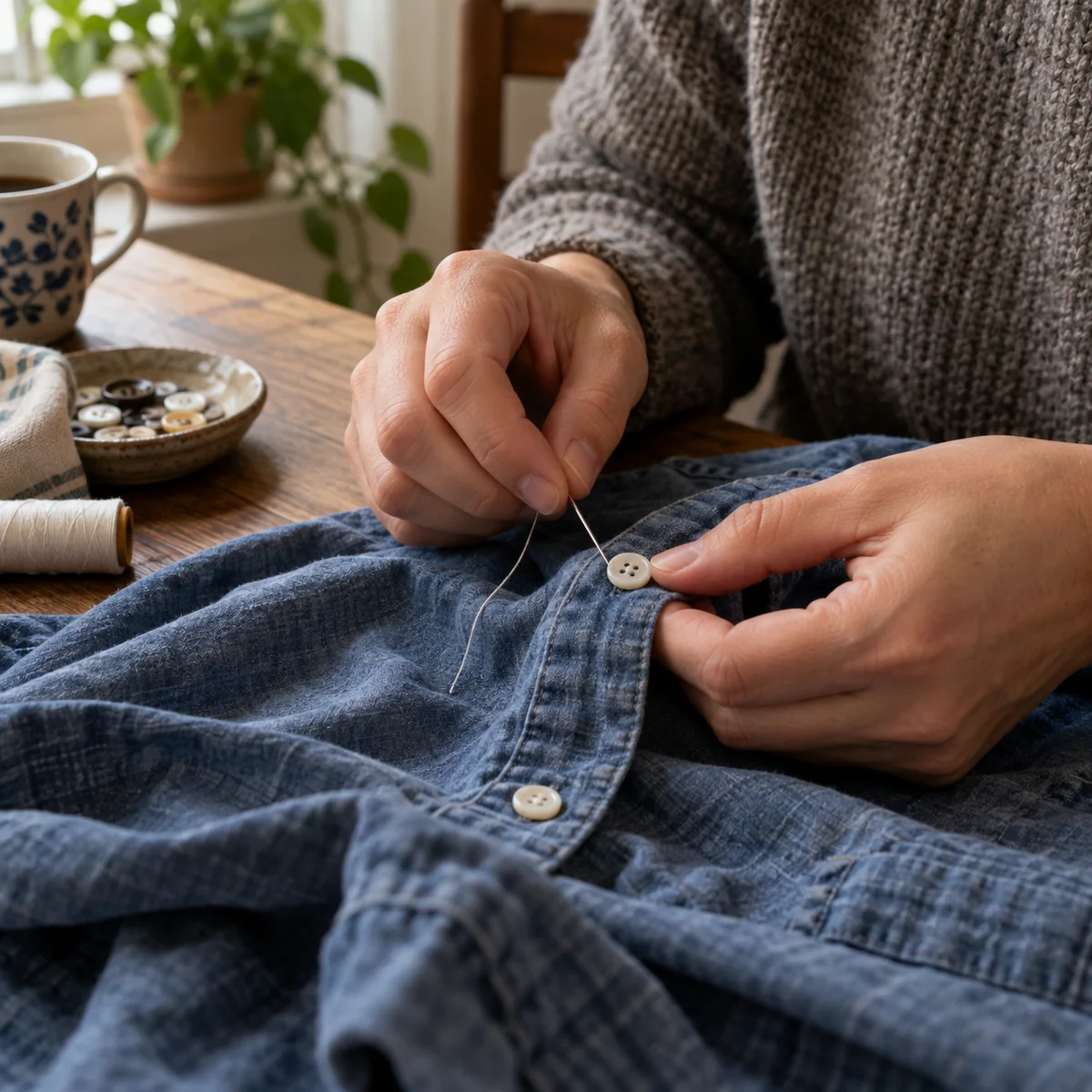
When something comes up, ask whether you can use an item you already own, borrow one for a short job, or repair what failed. Sometimes the answer is no. A repair can cost more than a safe replacement, and borrowing may be impractical. The point is to make the decision consciously instead of letting a promotional email make it for you.
For a small appliance, compare the repair cost, the expected remaining use, and the safety of the item. Our repair-or-replace guide gives a fuller framework. A no-buy rule should never push you into an unsafe do-it-yourself fix.
Keep a waiting list for purchases you still want
Write down the item, approximate total cost, intended use, and the date it occurred to you. Do not put it in a cart as a “reminder” if checkout prompts are hard to resist. A paper list or plain note works. If the need is urgent under your prewritten rules, address it; otherwise, revisit the entry later in the month.
Notice what triggered the urge. Was it a broken object, a real upcoming event, a sale countdown, or boredom? The Federal Trade Commission has documented shopping interfaces that use urgency, hidden charges, and other design tactics to push decisions. A pause gives you time to check the complete cost and whether the item still has a job. For online habits specifically, see our impulse-buying guide.

Review the month without grading yourself
At the end, compare your list with what happened. Which wishes faded? Which essential exceptions were genuinely needed? Did you use or repair anything you would otherwise have replaced? If you tracked money, compare actual spending with your own earlier pattern, remembering that bills and circumstances change. Do not claim “savings” for an item you would never really have bought.
Choose one small rule to keep, such as checking your closet before clothing purchases or reviewing the full price before subscribing. If the month made daily life harder, narrow the category next time. A sustainable habit is more valuable than repeating an overly strict challenge.

A simple 30-day rule you can adapt
For the next 30 days, I will pause purchases in: __________. I will continue buying essentials and paying planned obligations. Necessary replacements and repairs are allowed when waiting would create a real problem. I will write other wants on a waiting list and review them on: __________.
Make the categories and exceptions your own before the start date. If you share the challenge with someone else, compare ideas rather than totals; different households do not have the same needs or resources.
Questions people ask
Does a no-buy month mean buying no groceries?
No. Essential food is a normal exception. You can still plan groceries carefully; our grocery-list guide helps you start with food already at home.
What if an essential item breaks?
Use the replacement or repair exception you wrote before starting. The challenge should not delay a safety-related or necessary purchase.
What if I make an unplanned purchase?
Record what happened and continue. One purchase does not erase the rest of the month or the insight it gives you about your rule.
Sources
- Consumer Financial Protection Bureau: Track Your Spending With This Easy Tool — reviewing needs, obligations, and wants.
- Consumer Financial Protection Bureau: My Spending Rule to Live By — setting a personal rule for discretionary spending.
- Federal Trade Commission: Dark Patterns Report — shopping interfaces that can pressure or mislead consumers.