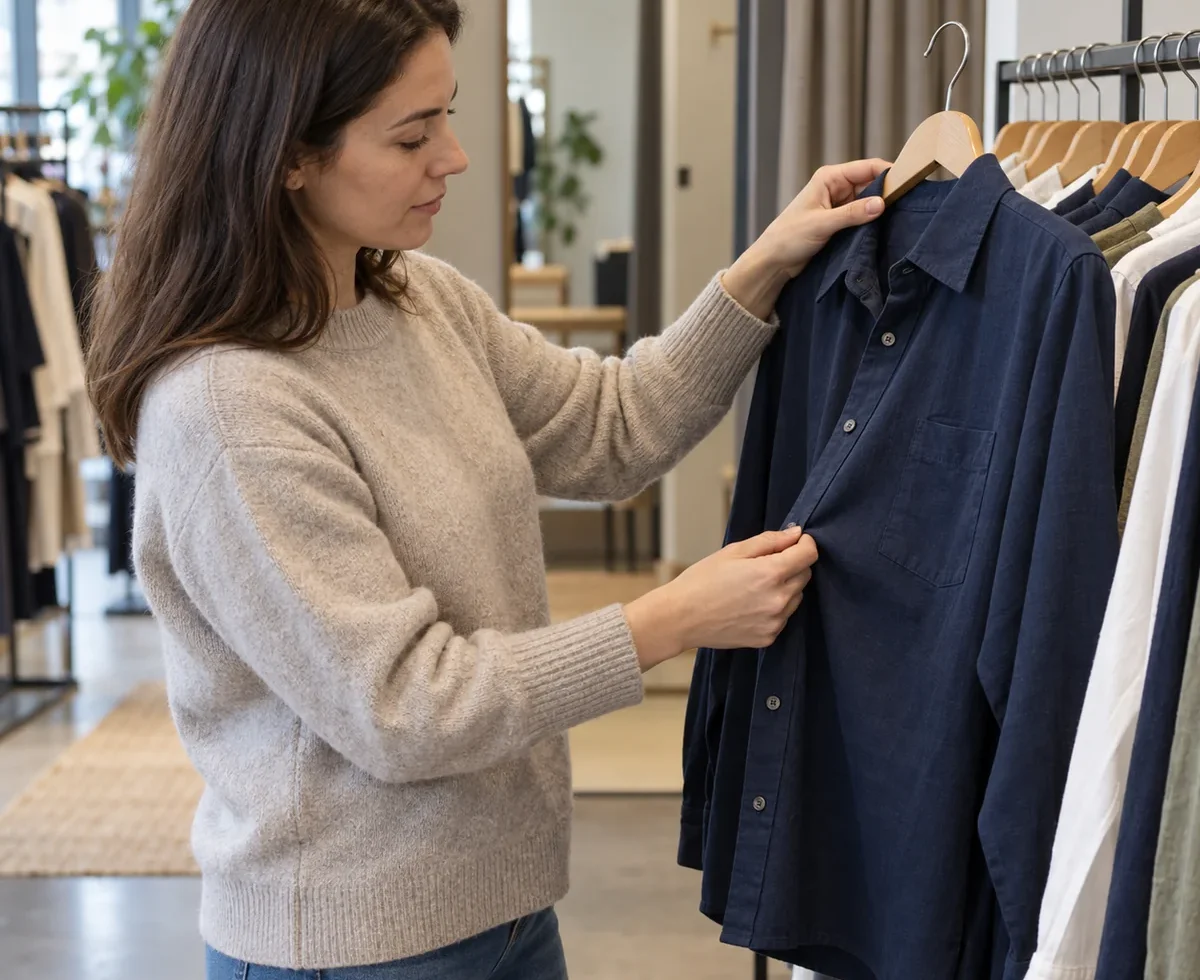
A garment can look excellent on a hanger and disappoint after a few wears. Price and a “premium” label are weak substitutes for checking the actual item. A quick inspection of the fabric, stitching, fit, and care instructions helps you decide whether a piece suits your life and is worth maintaining.
The quick answer: Start with a specific use for the garment. Feel and inspect the fabric, check seams and fastenings, move in it if you can, and read the care label before paying. These checks cannot predict an exact lifespan, but they can reveal obvious problems and prevent you from buying clothing you cannot comfortably wear or care for.
Start with a job, not a trend
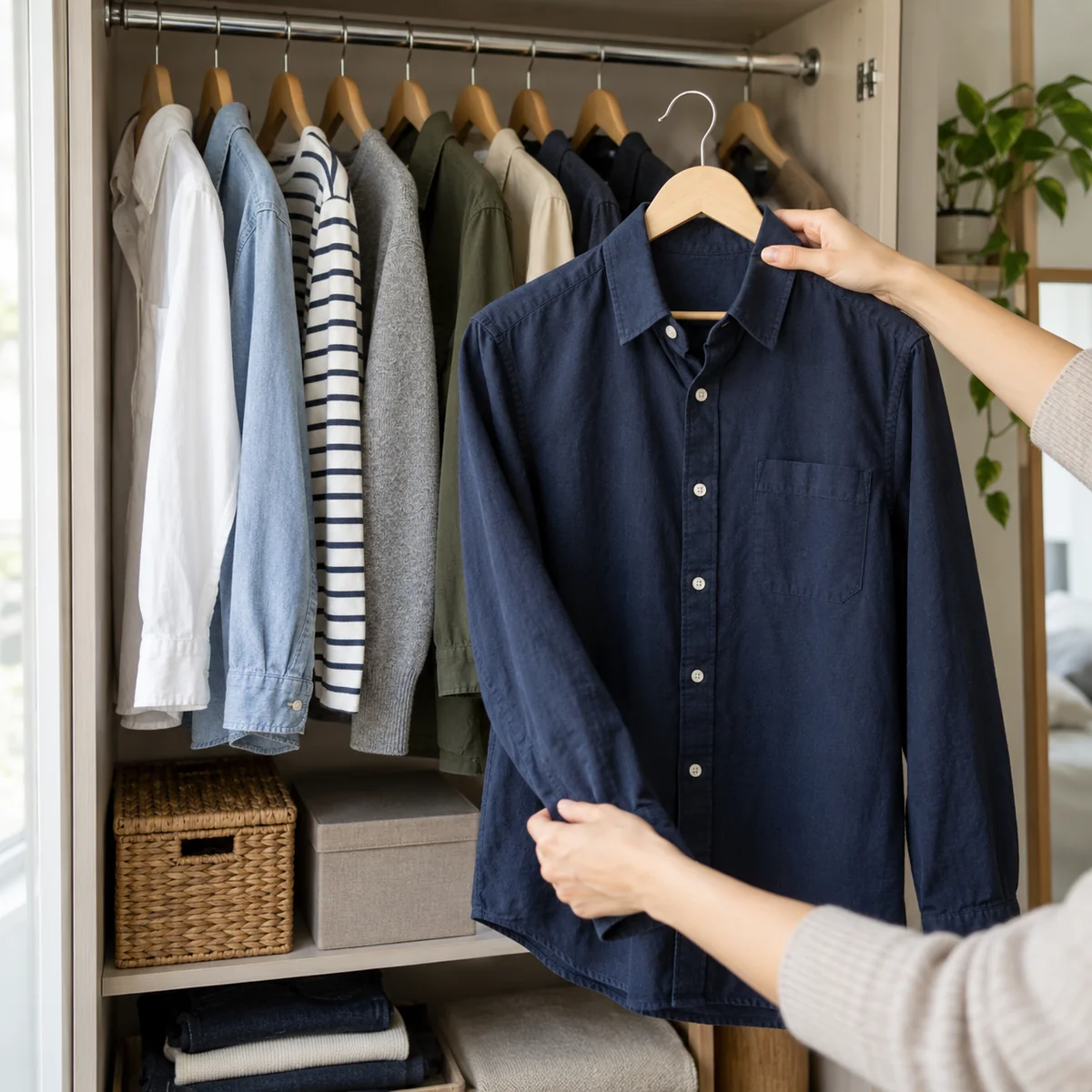
Picture where you will wear the item and what it needs to work with. A shirt for regular workdays may need to layer under a jacket and tolerate your usual wash routine; an occasional-event piece has a different job. If you already own something that fills the same role, decide what this new item adds before looking at the discount.
Check the color and shape against clothes you already use. You do not need a matching wardrobe, but a garment with no practical outfit or comfortable occasion may spend its life on a hanger. Our capsule wardrobe guide can help you identify gaps before shopping.
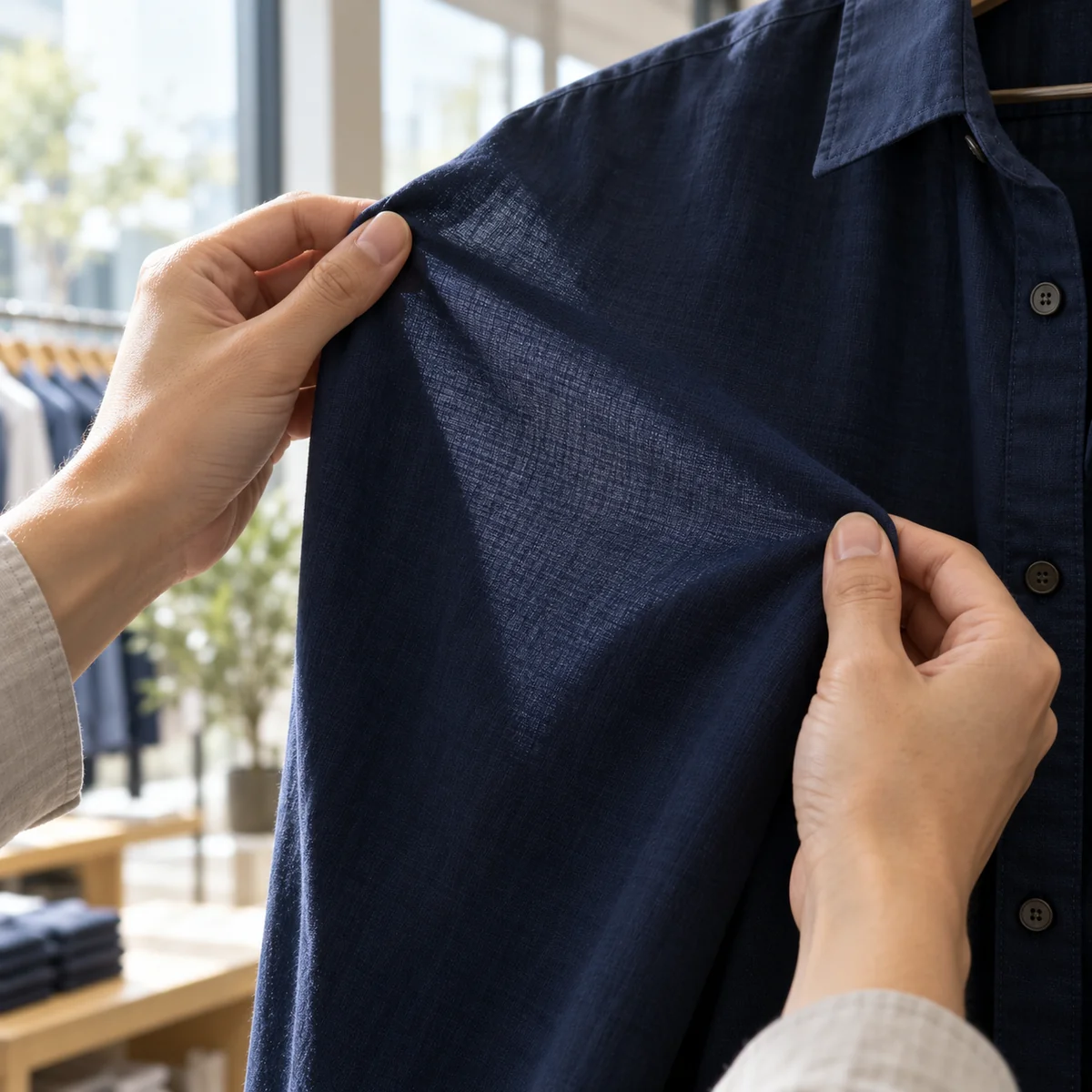
Inspect the fabric you are holding
Look for an even surface, unwanted thin patches, pulls, snags, and distortion. Hold a section up to ordinary light when practical; consider whether its opacity and drape suit the garment’s job. Gently bunch a small area and release it to see how it recovers, without stretching or damaging store merchandise.
There is no single “best” fiber or weight for every garment. A lighter fabric can be appropriate for summer, while a heavier one can still pill or lose shape. The fiber label tells you what the garment is made of, but it does not alone prove how long this particular item will last. Compare the material with clothes you already enjoy wearing and caring for.
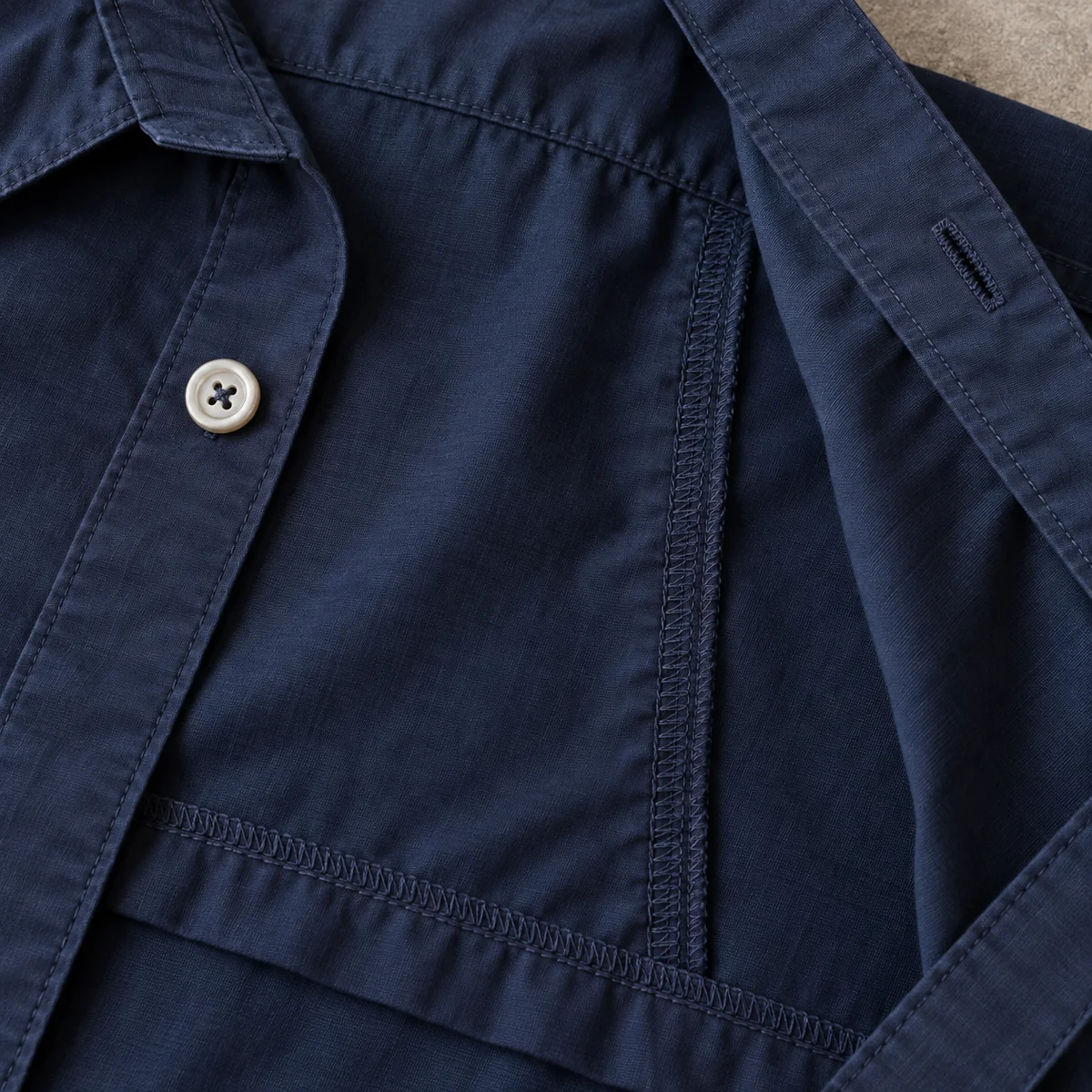
Turn it inside out and check construction
Look along the side seams, shoulder seams, hems, and places that carry strain. Stitches should be reasonably even and secure, with no open gaps or long loose threads. Check that buttons are attached and zippers move smoothly. Utah State University Extension’s garment judging guidance recommends looking at finished seams, firm stitching on curves, and loose or hanging threads.
Do not expect every garment to have the same seam finish. A knit T-shirt and a lined coat are built differently. The useful question is whether this item’s construction is neat, secure, and appropriate for its material. An obvious defect in a new garment is a reason to choose another one or leave it behind.
Test fit while you move
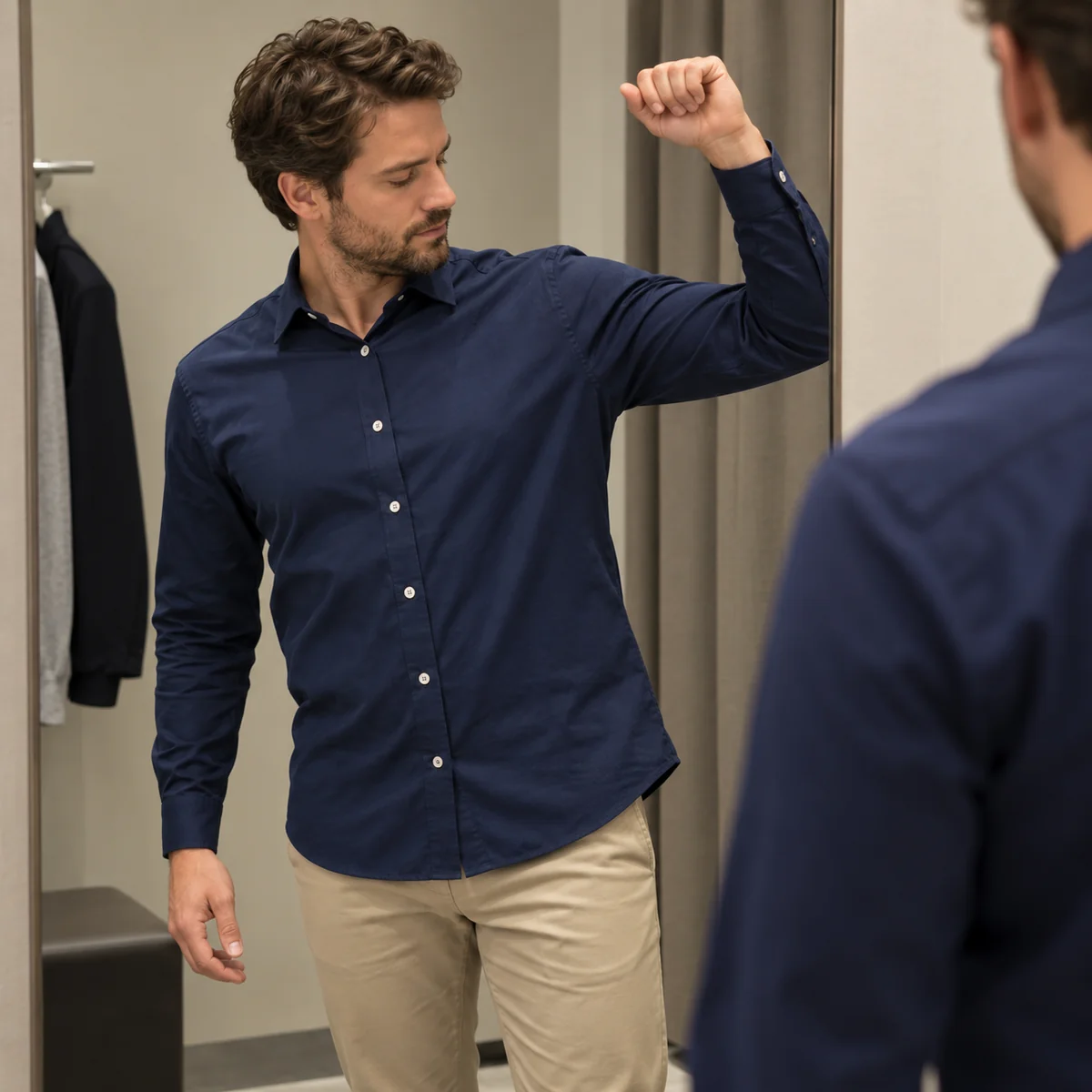
Try the garment on if possible. Sit, lift your arms, bend gently, and walk a few steps. Notice pulling across the shoulders or hips, a waistband that digs in, or a hem that shifts farther than you like. A technically correct size can still be uncomfortable in your daily movements.
For online purchases, compare the seller’s actual garment measurements with a piece you already own and check the return policy. Our secondhand clothing fit guide explains the measurement method in detail. A piece that feels awkward now is unlikely to become a favorite because it was on sale.
Read the care label and price together
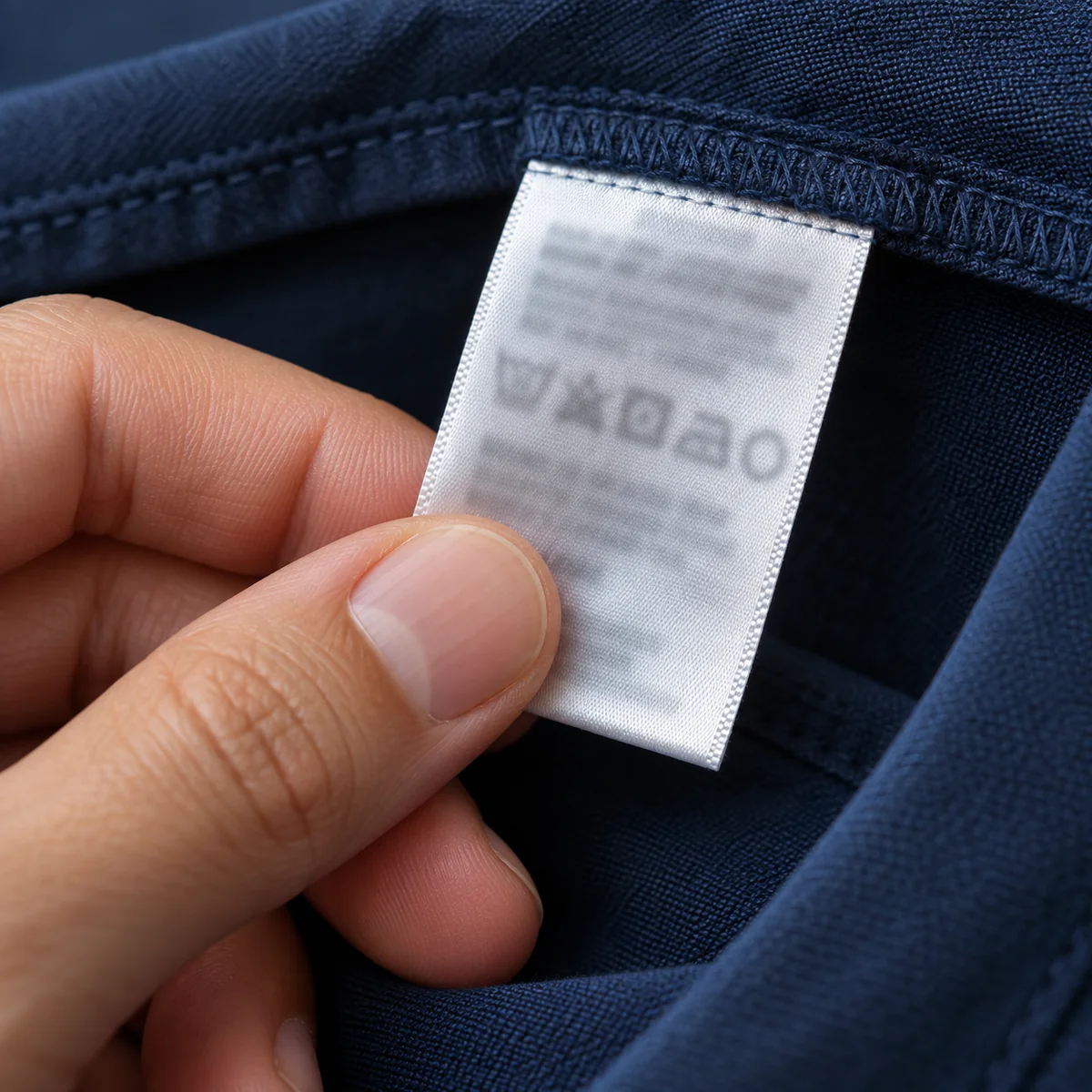
Check how the whole garment must be washed and dried, including its lining or trim. In the United States, the Federal Trade Commission requires care instructions on covered clothing and says those instructions must account for the garment as a whole. If the label calls for care you cannot realistically provide, the purchase may be costly in time or money even if the ticket price is low.
Finally, compare the full cost with how often you expect to wear it. A simple “price per planned wear” estimate can help you think, but it is only a planning tool, not a durability guarantee. A garment you will wear often and can maintain may be a better use of money than a cheaper piece that fails your fit or care test. For keeping the clothes you choose in use, see our clothing care guide.
A quick in-store checklist
- Do I know where and how often I will wear it?
- Does the fabric look and feel suitable for that job?
- Are seams, hems, buttons, and zippers secure?
- Can I move comfortably in it?
- Can I follow its care instructions?
If one answer is no, put the item back or compare another. These five checks work for new and secondhand clothing; for used pieces, inspect wear and alterations more closely.
Questions people ask
Does expensive clothing always last longer?
No. Price does not replace an inspection of the specific fabric, seams, fit, and care needs. Judge the garment you can actually buy.
Is natural fiber always better than synthetic fiber?
No single fiber wins every use. The right material depends on comfort, purpose, construction, and how you care for it. Read the fiber and care labels, then inspect the finished garment.
What if I cannot try it on?
Use garment measurements, compare them with a piece that already fits, and read the return terms before paying.
Sources
- U.S. Federal Trade Commission: Clothes Captioning — Complying With the Care Labeling Rule — care instructions and garment components.
- U.S. Federal Trade Commission: Apparel and Labeling — fiber and care labeling basics.
- Utah State University Extension: Formal Wear Study Guide — examining seams, finishing, and stitching.
- WRAP: Durability Is Fashion’s Next Competitive Advantage — research context for clothing durability.