
The kettle stops heating, the vacuum loses suction, or the blender refuses to start. The fastest shopping response is to add a replacement to your cart. But a fault can also be a washable filter, a loose removable part, or a repair covered by a warranty. The useful question is not “Can this be fixed at any price?” It is “What is the safest, most sensible next step for this particular appliance?”
Use these seven checks before you buy. They are meant for small household appliances such as vacuums, blenders, and coffee makers. Always follow the product’s manual. Do not open electrical housings, bypass safety devices, or attempt work beyond the maker’s user-maintenance instructions. Warranty rights and repair options vary by location; the U.S. sources below are a starting point, not a substitute for local rules.
1. Stop using a product that may be unsafe
Unplug an appliance that sparks, smokes, smells of burning, has a damaged cord or plug, shows melted material, leaks near electrical parts, or repeatedly trips a breaker. Do not keep testing it to see whether the fault comes back. If there is a fire or immediate danger, follow local emergency guidance. A professional or the manufacturer should assess electrical faults; a purchase decision comes after the safety decision.
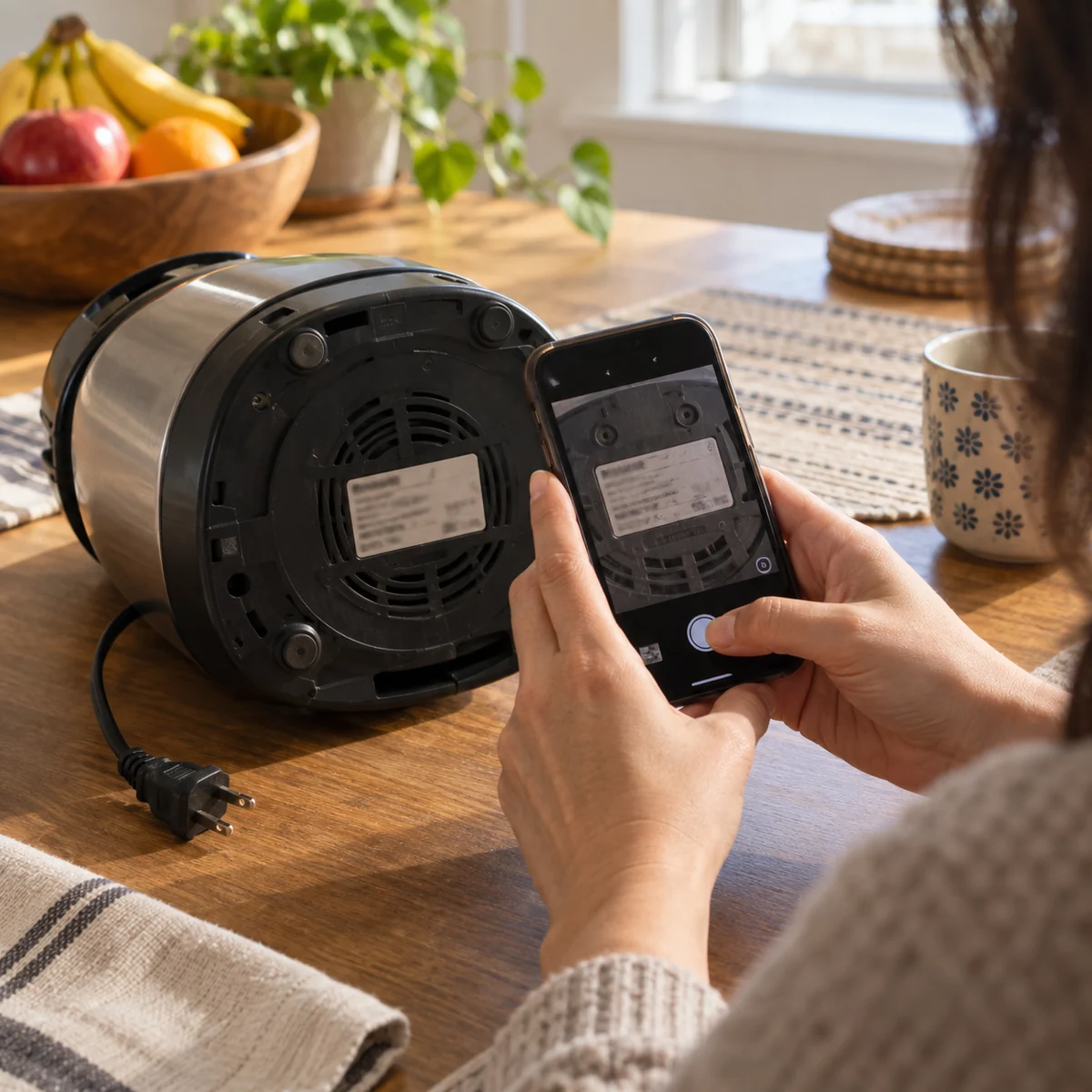
Find the product’s brand and exact model number, usually on a label underneath or behind the unit. Take a clear photo of it. Search the U.S. Consumer Product Safety Commission recall database if you are in the United States, or your country’s product-safety authority elsewhere. Match the model and any date or serial range, then follow the notice’s remedy. A recalled item should not be sold or donated without the remedy specified in the recall.
2. Check the warranty before paying anyone
Look for the purchase receipt, order email, warranty document, and any service plan. The U.S. Federal Trade Commission advises checking what a warranty covers, how to make a claim, and whether shipping or labor costs apply. A service contract is separate from the warranty that came with the product. Ask the seller or maker what documentation they need and get the proposed remedy in writing.

Do not assume a third-party repair automatically cancels an otherwise valid U.S. warranty. The FTC explains that a manufacturer generally cannot deny an unrelated covered repair merely because an independent shop previously worked on the product. Coverage details and laws differ; ask for a written explanation if a claim is denied.
3. Rule out user-maintenance problems
Read the troubleshooting section for your exact model. With the appliance unplugged and cool, check only the parts the manual explicitly tells users to inspect: a vacuum’s accessible filter or blocked hose, a blender jar that has not locked into place, or a removable water reservoir that is not seated correctly. Clean, dry, and reassemble those parts exactly as directed. Some symptoms are maintenance problems; others are electrical failures that need professional attention.
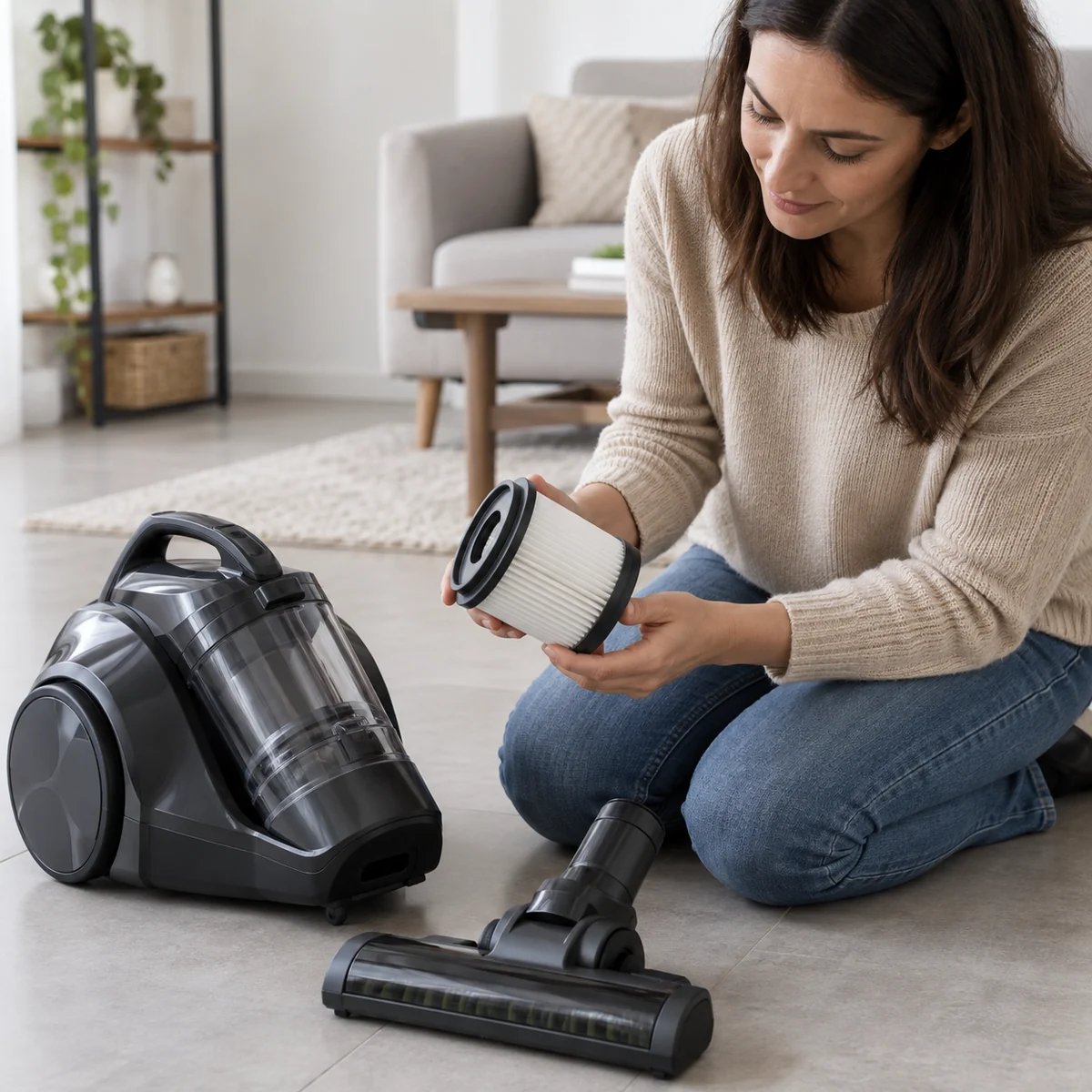
Do not turn a troubleshooting check into an improvised repair. If the manual does not describe the step, leave it to an appropriate repair professional. If the appliance still fails after the permitted checks, record the symptom, when it happens, and any error code. That short note makes a repair quote more useful.
4. Ask whether the failed part can actually be replaced
Search the maker’s parts page using the full model number. Look for the exact component, its price, whether it is in stock, and whether installation is meant for the user or a technician. A compatible jug or filter may make an easy fix; a sealed motor or unavailable board may not. Check the return policy on spare parts before ordering. “Looks similar” is not a safe basis for substituting an electrical or safety-critical component.
The FTC recommends considering repairability before buying a product, including likely failures and how hard they are to fix. That lesson applies now, too: a replacement with accessible, available parts may be a better long-term purchase than a cheaper model designed around unavailable components.
5. Compare the complete repair cost with a realistic replacement
Ask for a written estimate that separates diagnosis, parts, labor, shipping, taxes, and any fee you owe if you decline the repair. Ask whether the repair is guaranteed and for how long. Then compare that total with a suitable replacement that performs the same job, including delivery, necessary accessories, and any disposal or take-back cost. Do not use a rigid “repair if it costs less than half” rule: a durable appliance with a simple known fault differs from an unreliable one with several failing parts.
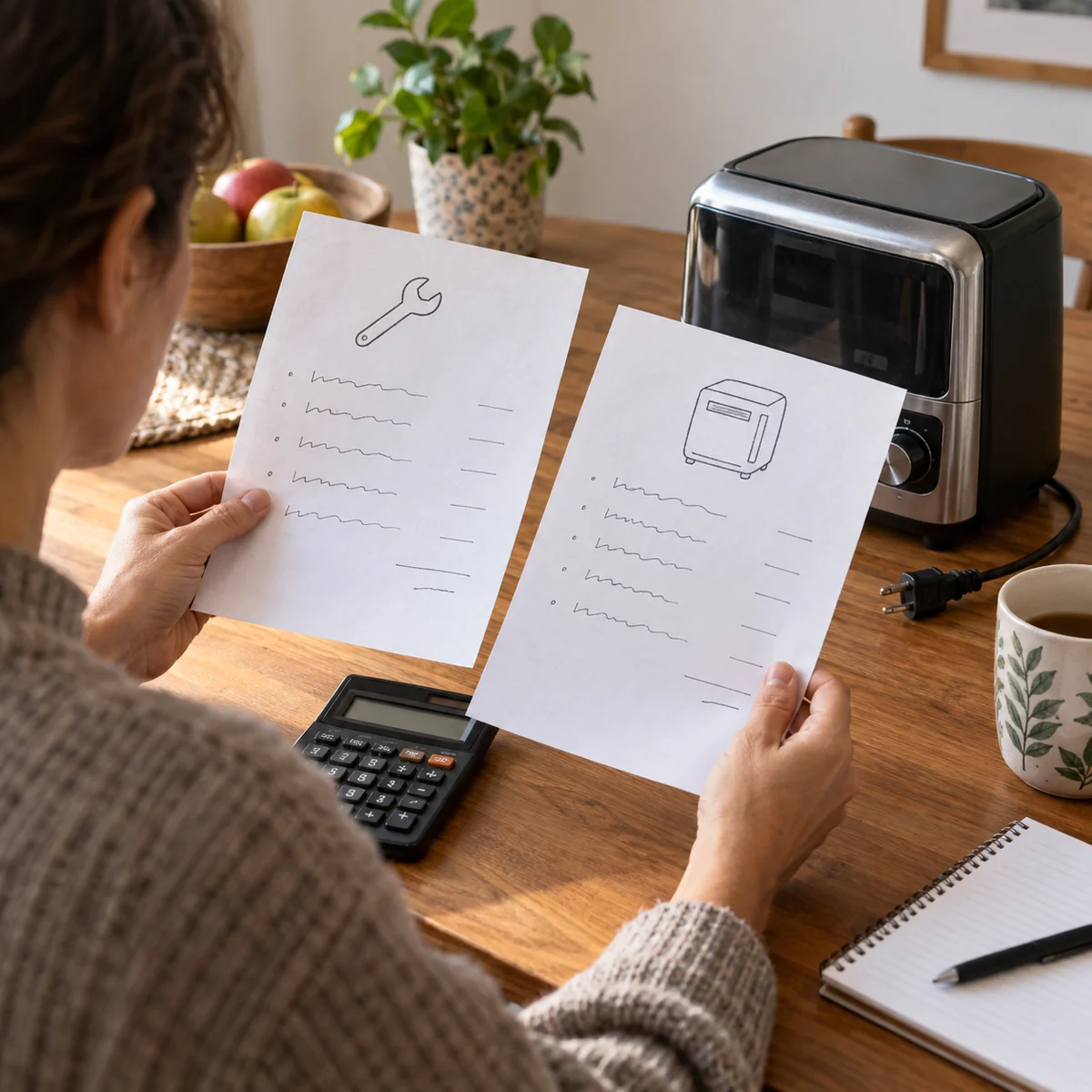
Write down three numbers: the repair total, the price of an appropriate replacement, and any unavoidable extra costs. Then add a non-price question: will the repair restore normal, safe use, or is it only a temporary patch? If you cannot get a diagnosis, the uncertainty belongs in the decision; do not invent an expected lifespan or savings figure.
6. Consider how the appliance is used
A working backup or a borrowed appliance may buy time to get a repair estimate. If a replacement is needed, choose the features you will actually use and check the maker’s parts and warranty information before ordering. For an appliance used frequently, energy use and operating cost may matter; compare verified product information for the models in question rather than assuming every new model saves enough electricity to justify replacing a working one.
For a rarely used specialty appliance, ask whether you need to own another unit at all. Borrowing, sharing, or buying a safe, serviceable secondhand item can sometimes meet the need. Check used appliances for recall status and condition before purchase. Our guide to stopping impulse buying online can help you pause while you gather the facts.
7. Choose a responsible next destination
If the repair is safe and worthwhile, book it and keep the estimate, receipt, and new warranty terms. If the product still works but no longer suits you, offer it for reuse only after checking its condition and recall status. If it cannot be safely used or repaired, ask your local collection program, retailer, or manufacturer how to handle the appliance and any battery. Rules vary by device and location.

The U.S. Environmental Protection Agency places reuse and repair ahead of recycling when those options are viable. For electronics that cannot be reused or repaired, it points to proper recycling. Do not leave an unsafe appliance in a donation box or pass a recalled product to someone else.
The one-minute decision summary
- Safety concern or recall? Stop using it and follow the manufacturer or recall remedy first.
- Warranty coverage? Start a claim before paying for outside work.
- Manual-approved maintenance fix? Try it with the appliance unplugged and cool.
- Repairable fault? Get the exact part or a written professional estimate.
- Repair cost and likely use compare well? Repair; otherwise choose a suitable replacement and handle the old item responsibly.
The best decision is a documented one, not necessarily the cheapest price on a shopping page. A model number, a safety check, the warranty, and one complete quote can prevent both a rushed purchase and a repair that makes little sense.
Sources
- U.S. Federal Trade Commission, Warranties and The FTC weighs in on repair restrictions.
- U.S. Consumer Product Safety Commission, Recalls & Product Safety Warnings and For Buying and Selling Products Online.
- U.S. Environmental Protection Agency, Electronics Basic Information, Research, and Initiatives.