A towel that smells fine out of the laundry can turn musty again after one shower. The problem is often a cycle: the towel stays damp between uses, the wash load is too crowded or poorly rinsed, and it is folded before its thick seams are completely dry. Buying new towels will not fix that routine. Start by finding where moisture is being trapped.
This guide is for ordinary household bath towels. Follow the towel’s care label, the washer manual, and the detergent directions when they differ from a general tip. Towels used during illness or contaminated with unusual substances may need separate handling. A persistent damp smell in the room, visible mold, or a leak is a home moisture problem that also needs attention.
The quick reset
- Spread each used towel so air reaches both sides; do not leave it in a damp heap.
- Wash musty towels in a load with room to move, using an appropriate cycle and measured detergent.
- Take them out promptly and dry them completely before folding.
- Check the washer and bathroom if the odor keeps returning.
There is no need to start with a “laundry stripping” recipe or a cupboard of odor products. Each step below helps you identify a specific cause.
1. Let a used towel dry between uses
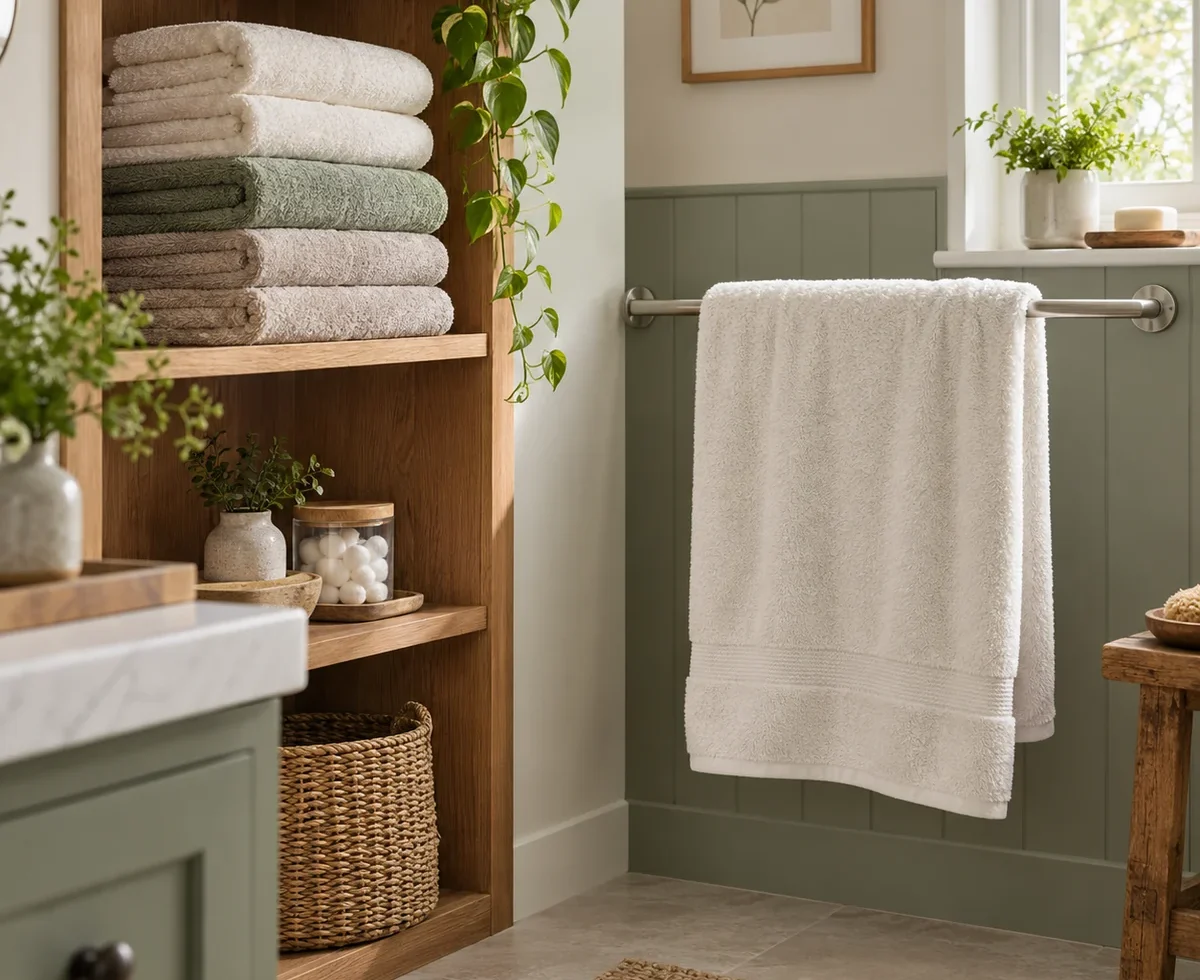
Hang the towel fully open on a rail or spread it across hooks with enough room for air to reach the fabric. A towel rolled on a hook, dropped on the floor, or pushed into a hamper while wet can stay damp much longer. The American Cleaning Institute advises hanging a towel after each use. If the bathroom stays steamy, use a bathroom fan that vents outdoors or open a window when conditions allow; the U.S. Environmental Protection Agency recommends ventilation during and after showers to remove moisture.
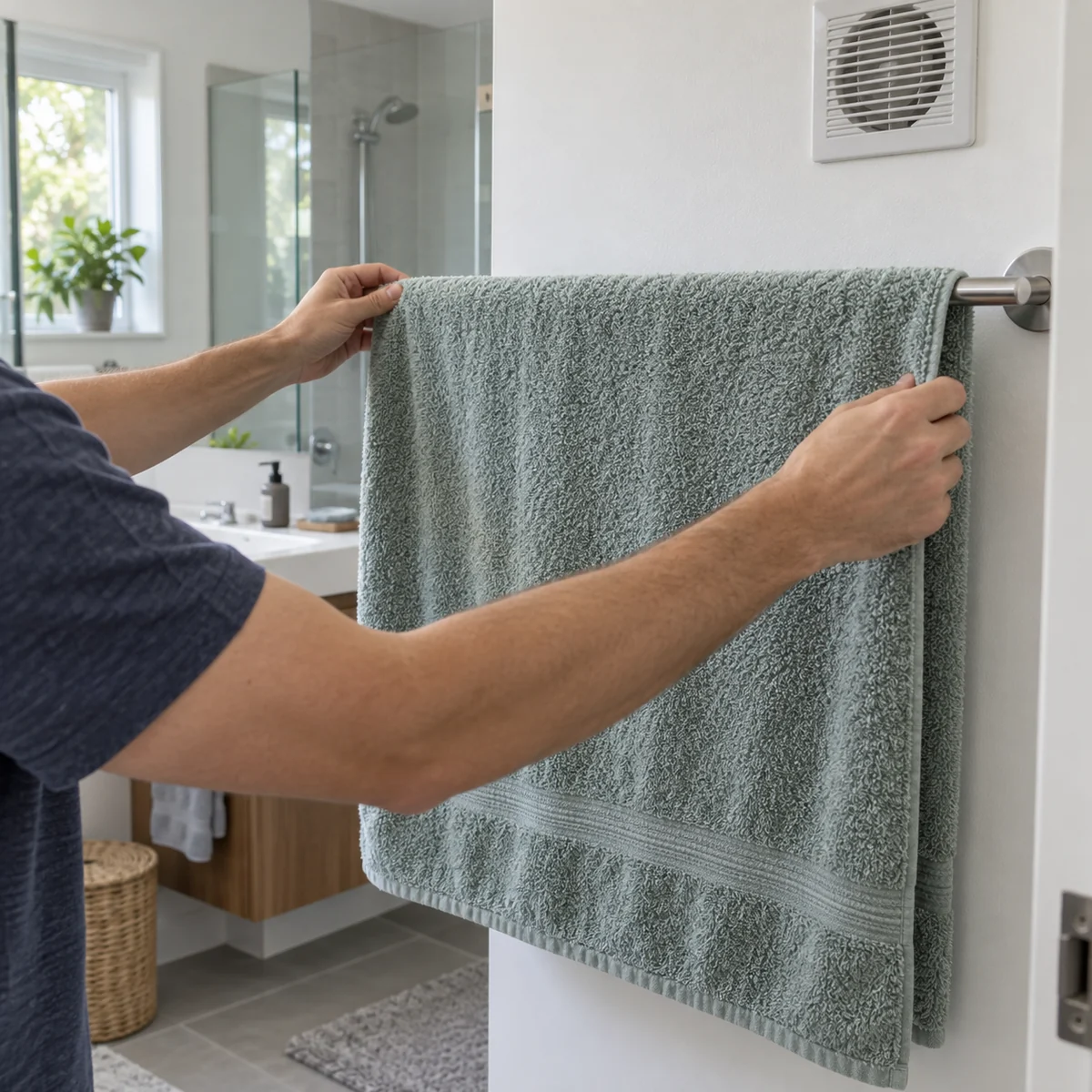
If several people share one bathroom, give each towel enough space or rotate a dry spare while a used one dries. A towel that remains damp by the next use needs a different drying spot, better airflow, or washing. Do not store damp towels in a closed cabinet or laundry basket.
2. Check the label and give towels room in the washer
Read the care label before choosing water temperature and drying method. Decorative trim, blended fibers, or special finishes may need different care from a plain cotton towel. Load the machine loosely enough for the towels to move. Whirlpool’s towel-care guidance notes that a crowded load can prevent a thorough wash. A suitable load may be smaller than a drum filled to the top with heavy, wet terry cloth.
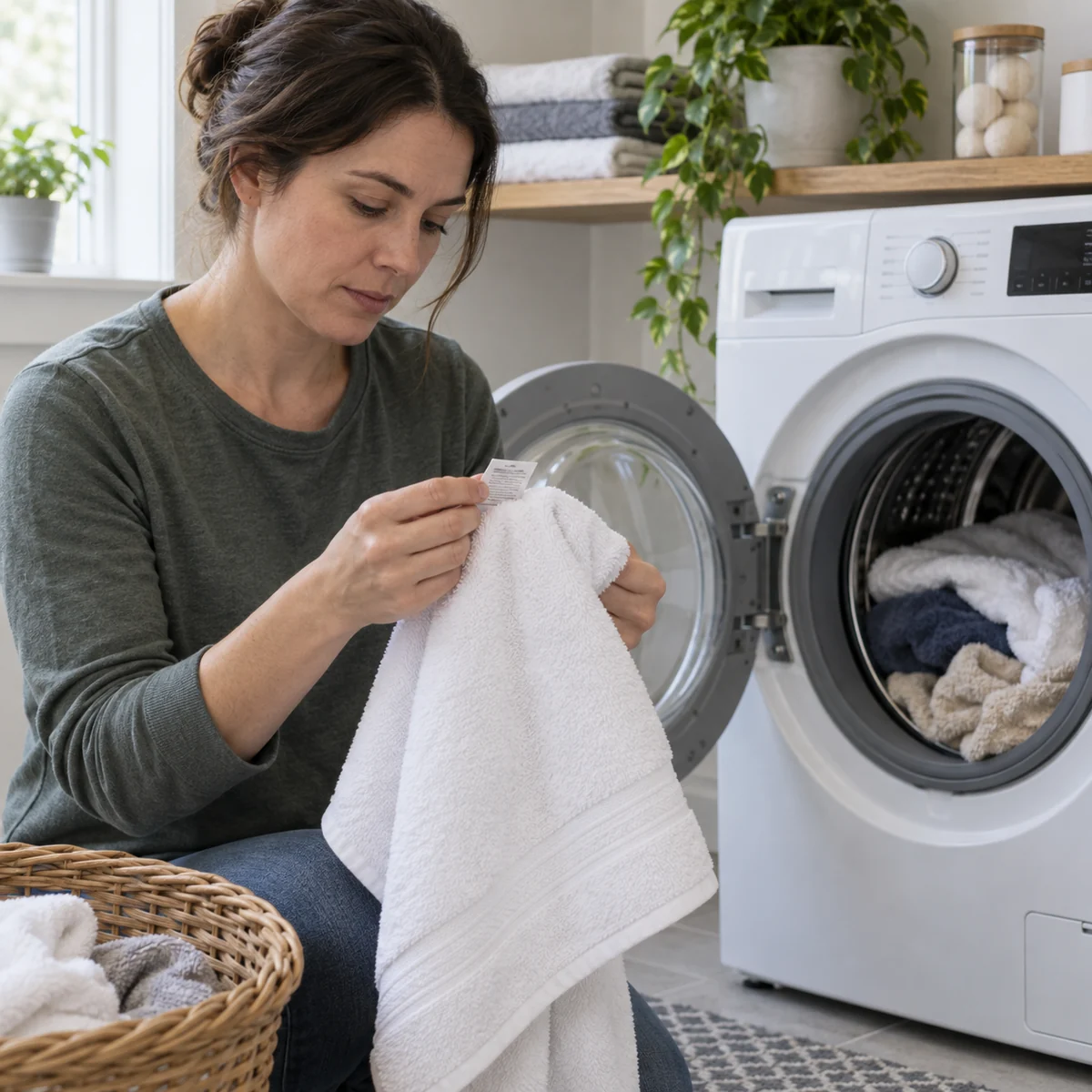
Use a normal or towel cycle that matches the textile and soil level, and the warmest water the label allows when a more thorough wash is needed. A hotter cycle is not automatically safe for every towel. If a towel is heavily stained or has a specific hygiene requirement, follow the relevant care and product instructions rather than improvising.
3. Measure detergent instead of adding extra for the smell
Use the amount recommended for your washer, detergent concentration, load size, and soil level. Too little may not clean well; too much can leave residue that is hard to rinse. Whirlpool’s detergent guidance identifies musty washer odor and residue as possible signs of overdosing. For a high-efficiency washer, use a compatible detergent and the machine’s directions.
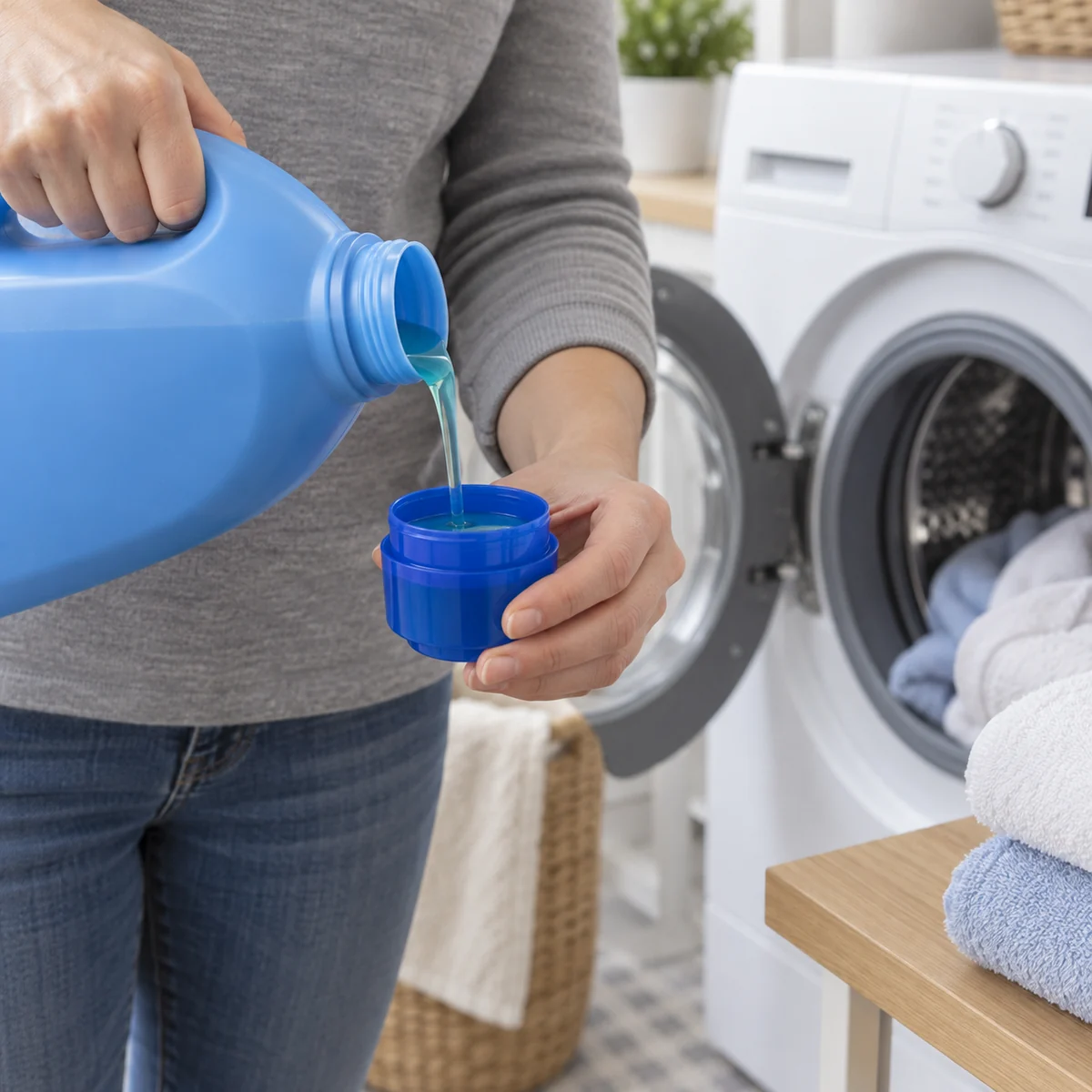
Do not mix household cleaning chemicals or add a random combination of vinegar, bleach, and detergent to the drum. Product labels and washer manuals determine what may be used safely together. If towels feel coated or do not rinse cleanly, review the dose and machine instructions before buying another additive.
4. Move the clean load promptly and dry it all the way through
Take towels out when the wash ends. Leaving wet laundry shut inside the machine can allow a stale smell to develop again. Whirlpool recommends transferring towels promptly and checking that they are completely dry before folding. Shake each towel open, then use a dryer setting allowed by its care label or a rack with enough space and airflow. A thick hem or edge can stay damp even when the broad surface feels dry.
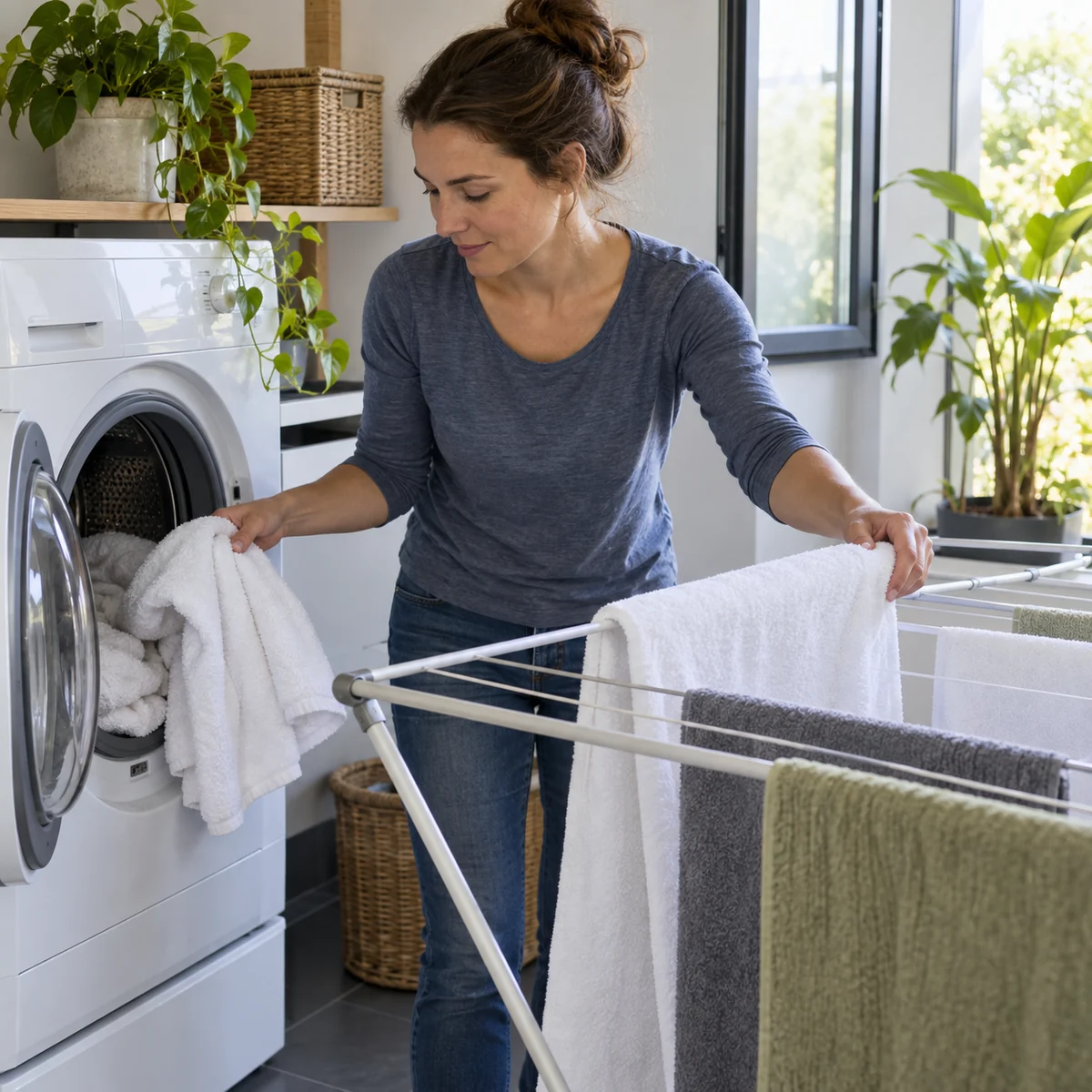
If you use a dryer, clean its lint filter as the maker directs and do not leave it running unattended. If you air-dry indoors, watch the room’s humidity and ventilation. A rack in an already damp bathroom may be slower than a drier, better-ventilated place. Fold only after the towel, seam, and any decorative border are dry.
5. If the smell comes back, check the washer and bathroom
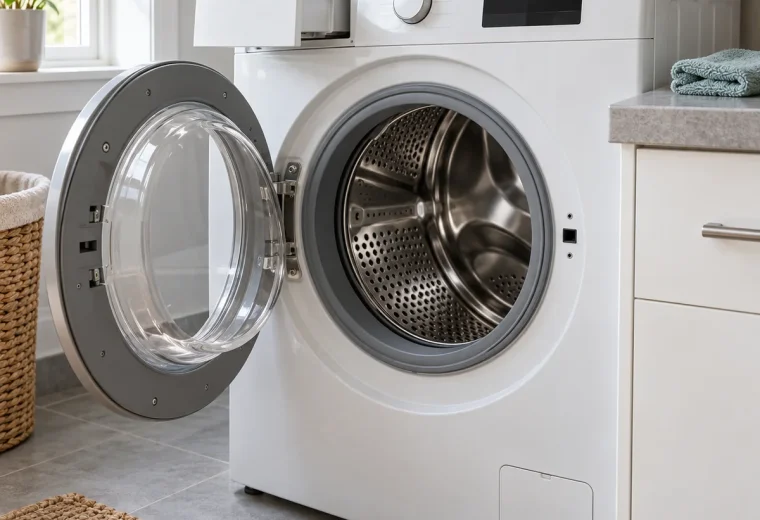
Smell the empty washer and inspect the accessible door gasket, detergent drawer, and drum for residue. Follow your machine’s manual for a cleaning cycle and for any removable parts. Whirlpool notes that residue and trapped moisture can cause front-load washer odors. Wipe accessible wet surfaces and leave the door open after use when the manufacturer permits and it is safe for your household. Never dismantle the machine or combine cleaning chemicals to chase an odor.
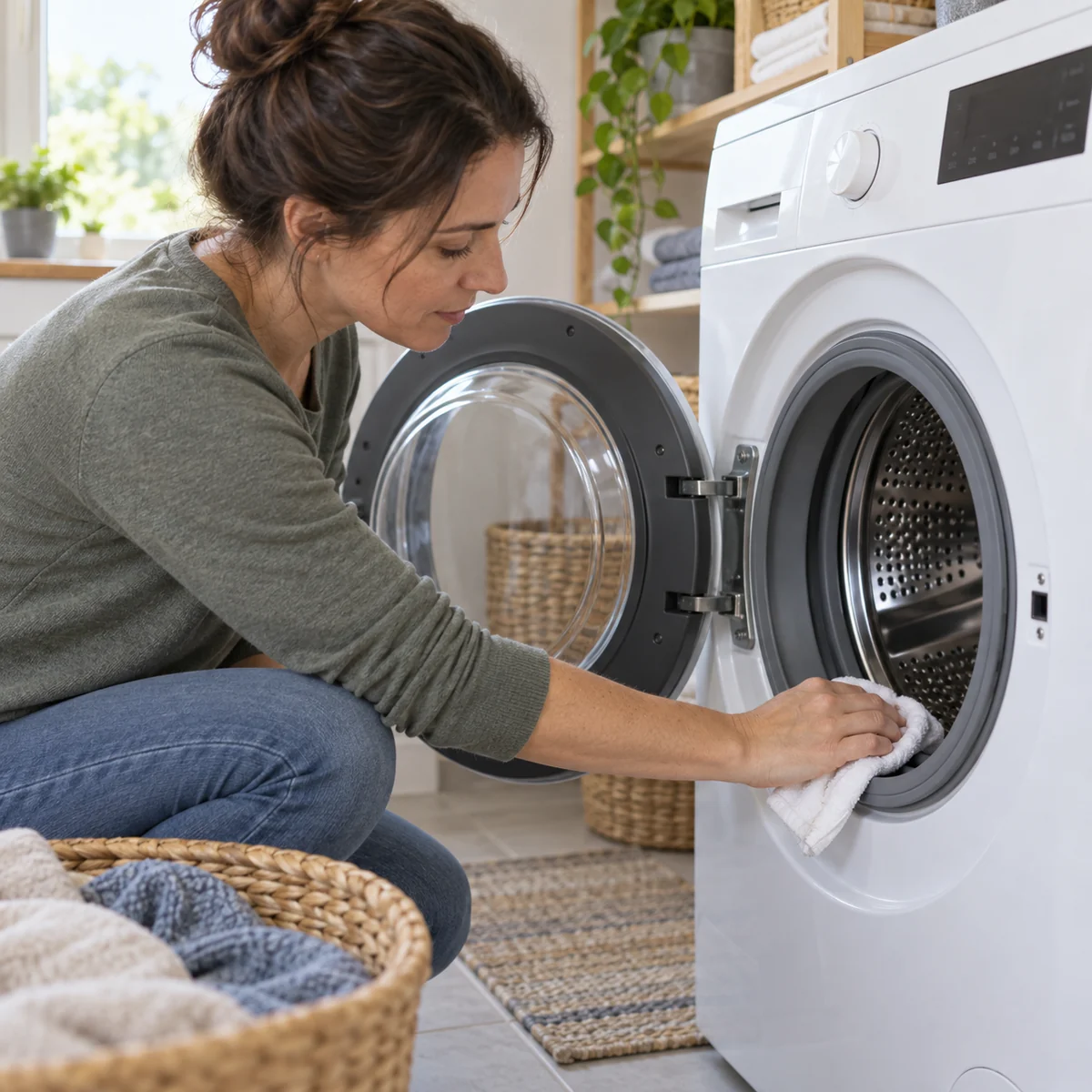
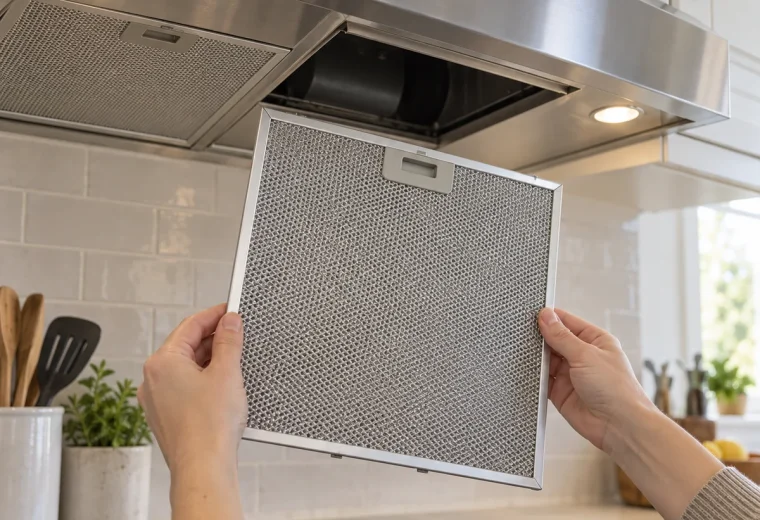
Then look beyond the laundry. If the bathroom fan does not exhaust outdoors, the room stays wet, or there is a leak, the towels may keep absorbing moisture. The EPA advises controlling the moisture source and using bathroom ventilation. A lasting dampness problem deserves inspection and repair rather than repeated fragrance or rewashing.
What to do with a towel that already smells musty
Rewash it according to its care label in an uncrowded load with the correct detergent dose. Dry it promptly and completely, then smell it again once cool and dry. If the odor persists, check the machine and drying environment before repeating the same cycle. A visible moldy area or damaged fabric may require different handling; do not assume an ordinary wash has made it suitable for use.
Keep only towels you can dry and store properly. For a broader laundry routine covering different fabrics, see how to wash clothes so they last longer. For other low-waste home maintenance steps, use our weekly low-waste home reset.
Common questions
Should I use fabric softener to cover the smell?
A scent can hide an odor without fixing wet storage or an ineffective wash. Whirlpool also warns that some softeners can reduce towel absorbency. Focus first on drying, a suitable wash load, measured detergent, and a clean machine.
Should I wash every towel in hot water?
No universal setting fits every towel. Read its care label and choose the warmest appropriate setting for the specific load and cleaning need.
Why do towels smell again as soon as they get wet?
Possible causes include trapped moisture between uses, residue, incomplete drying, or a washer that needs cleaning. Check those points in order rather than assuming the towel itself must be replaced.
Sources
- American Cleaning Institute, Do I need to wash this?
- Whirlpool, How to Wash & Dry Towels, How Much Laundry Detergent Should You Use?, and How to Remove Smells in a Front Load Washer.
- U.S. Environmental Protection Agency, Biological Contaminants and Indoor Air Quality.