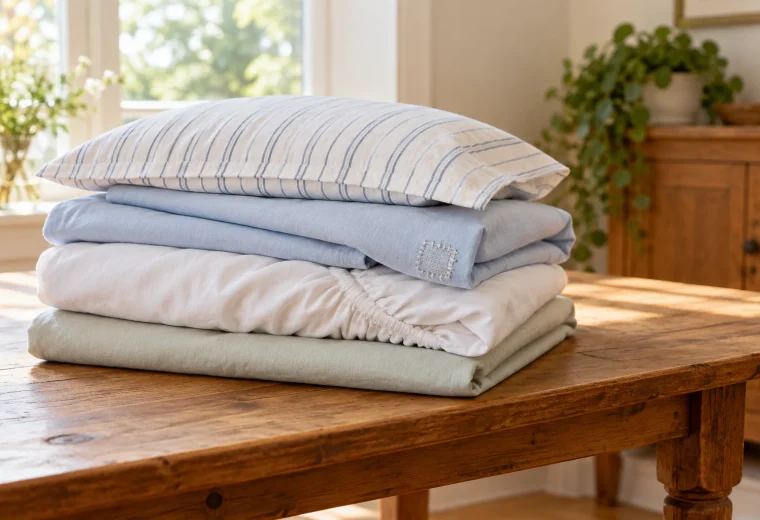
Seasonal clothes can take over the space you use every morning. A new stack of storage bins is rarely the first answer. Begin with what you already own: a clean drawer, a quiet wardrobe rail and enough room to retrieve the clothes next season without finding them crushed or musty.
Quick answer: Clean and completely dry clothes before putting them away. Choose a cool, dry, dark area you already have. Fold knits and fragile items with room around them; hang only sturdy, structured garments on supportive hangers. Inspect stored clothing occasionally, especially wool. This approach draws on textile-care advice from the Smithsonian, the Canadian Conservation Institute (CCI) and UC Integrated Pest Management. Heirlooms and highly fragile pieces need more specialized care than everyday clothes.
1. Clean, dry and inspect what you will store
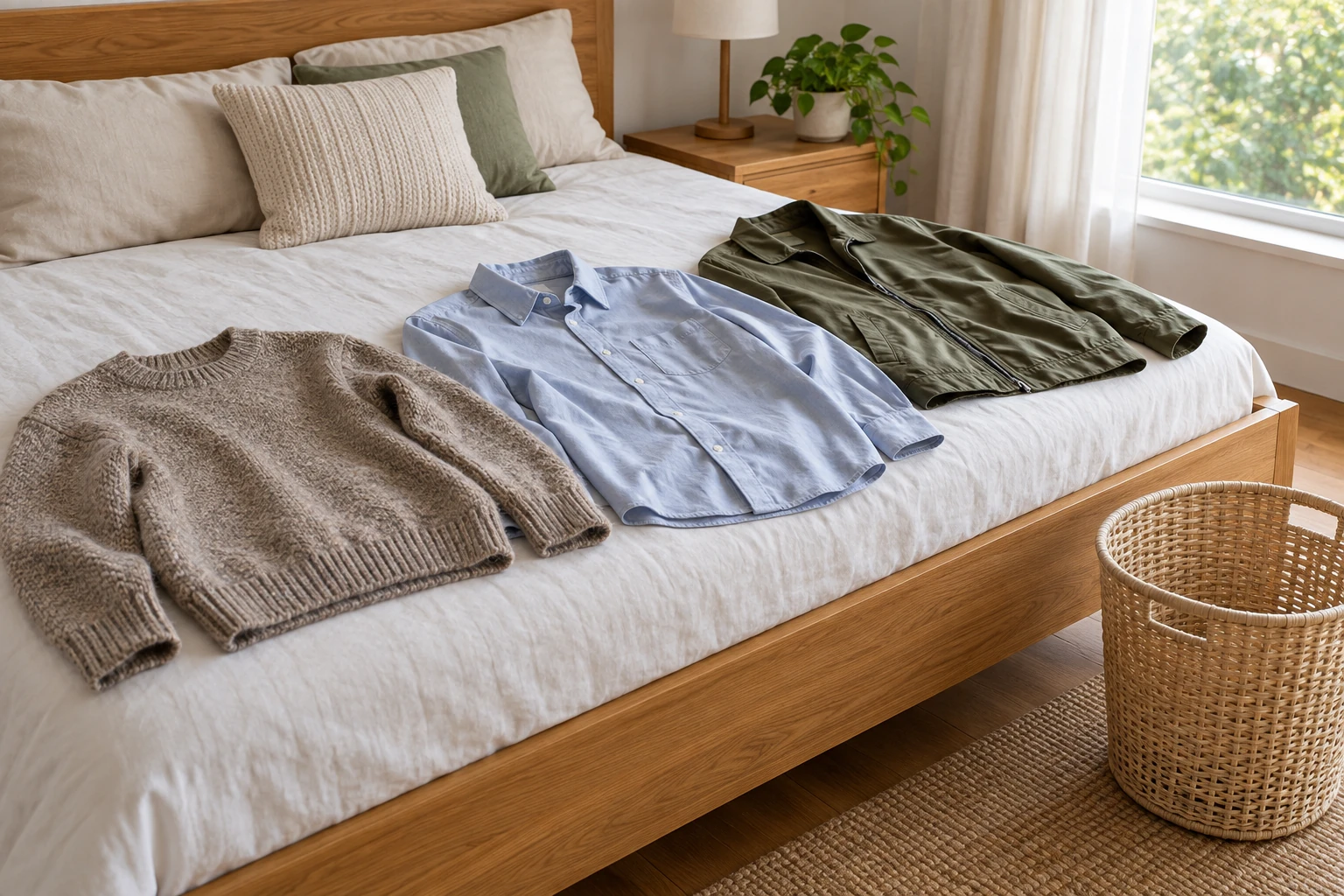
Take clothes out of the crowded area and check pockets, stains, loose seams and missing buttons. Wash or clean them according to their care labels, then let them become completely dry. Putting damp fabric away invites mildew; leaving food or body soil can attract fabric pests. The Smithsonian recommends storing textiles as clean as possible, and UC IPM advises that moth-susceptible garments be clean and pest-free before storage.
Make three small decisions while each item is out: store it for next season, mend it before storing, or pass it on if you will not wear it. Keep a repair item visible instead of burying it among finished clothes. If you see larvae, webbing or new holes on wool, isolate the affected pieces and use evidence-based pest guidance before mixing them with clean clothing.
2. Choose a cool, dry place you already have
Look first at a dresser drawer, upper closet shelf or spare section of a wardrobe. Choose a place that stays reasonably cool, dry and away from direct light. The Smithsonian cautions against attics and basements for textiles because conditions can swing widely, while CCI recommends cool, dark and dry storage with good ventilation. Do not put clothing into a space that smells damp or has visible mold.
Empty and clean the chosen drawer or shelf first. Use a clean, prewashed cotton cloth you already own as a liner when appropriate. CCI describes prewashed cotton as a reusable lining option for sensitive textiles. For ordinary clothes, the practical goal is a clean surface and enough space to avoid crushing, not a new system of matching containers.
3. Fold knits and delicate pieces without crushing them
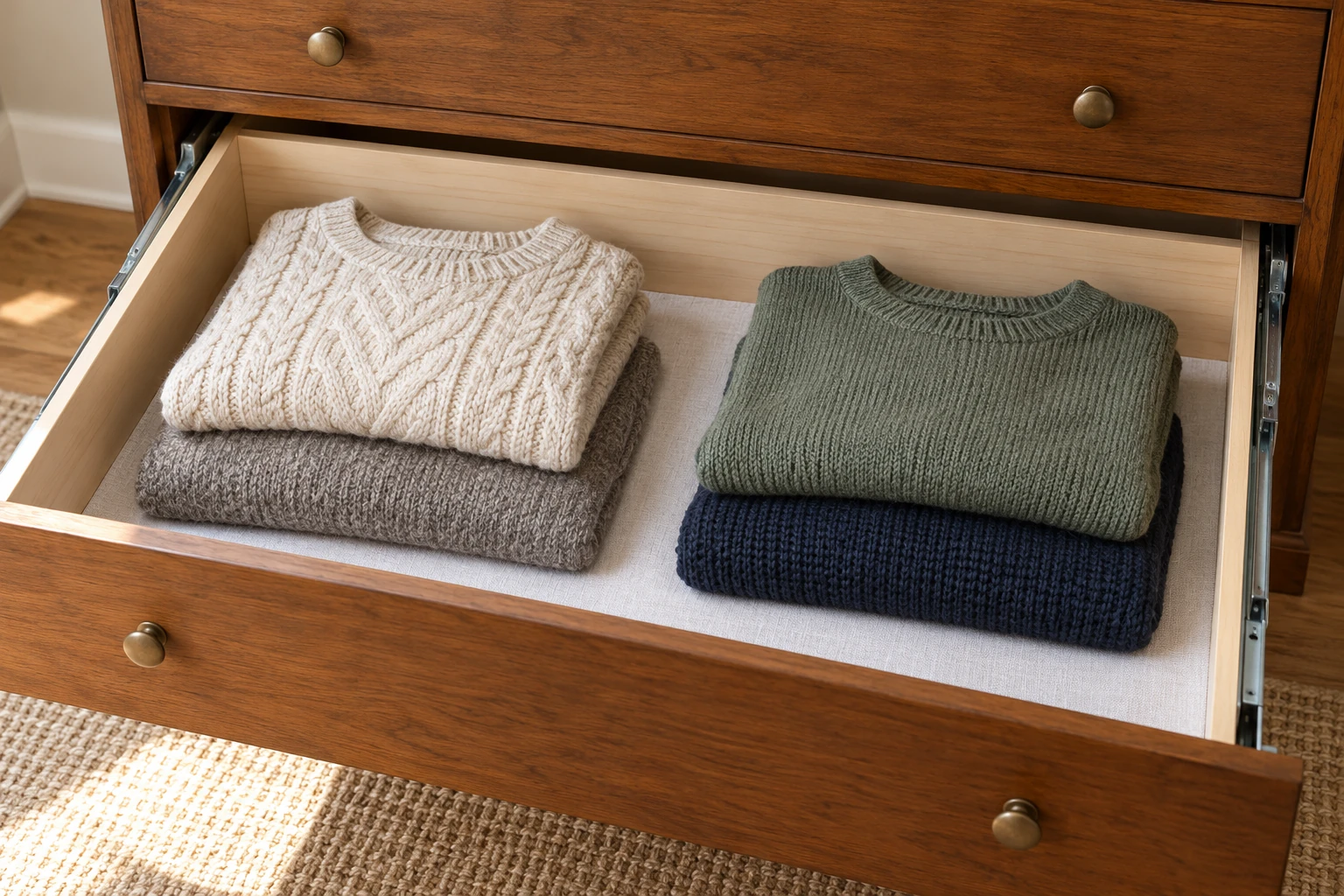
Fold sweaters and other stretchy pieces loosely into the drawer or onto a clean shelf. Keep heavy pieces beneath lighter ones and leave the stack low enough to lift an item without pulling on several others. For delicate, valuable or embellished pieces, the CCI recommends flat storage with as few folds as possible, and cushioning unavoidable folds with suitable tissue or clean cotton. Everyday cotton shirts can be folded more simply; avoid treating museum guidance as a requirement to buy archival supplies for every T-shirt.
Do not compress a thick knit under a heavy pile simply to use less space. If it will not fit without pressure, edit the number of items in that drawer or use another existing shelf.
4. Hang only garments that hold their shape
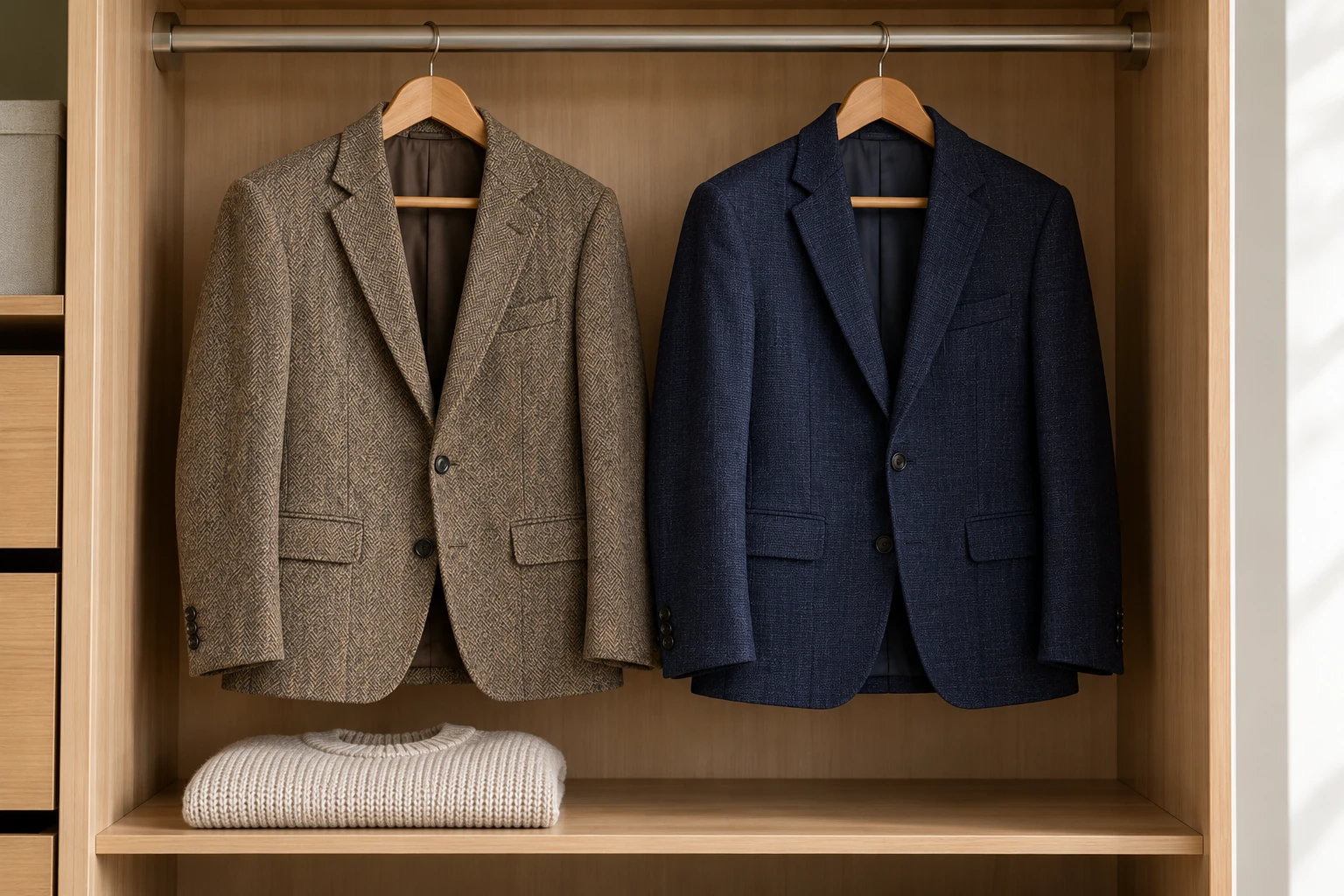
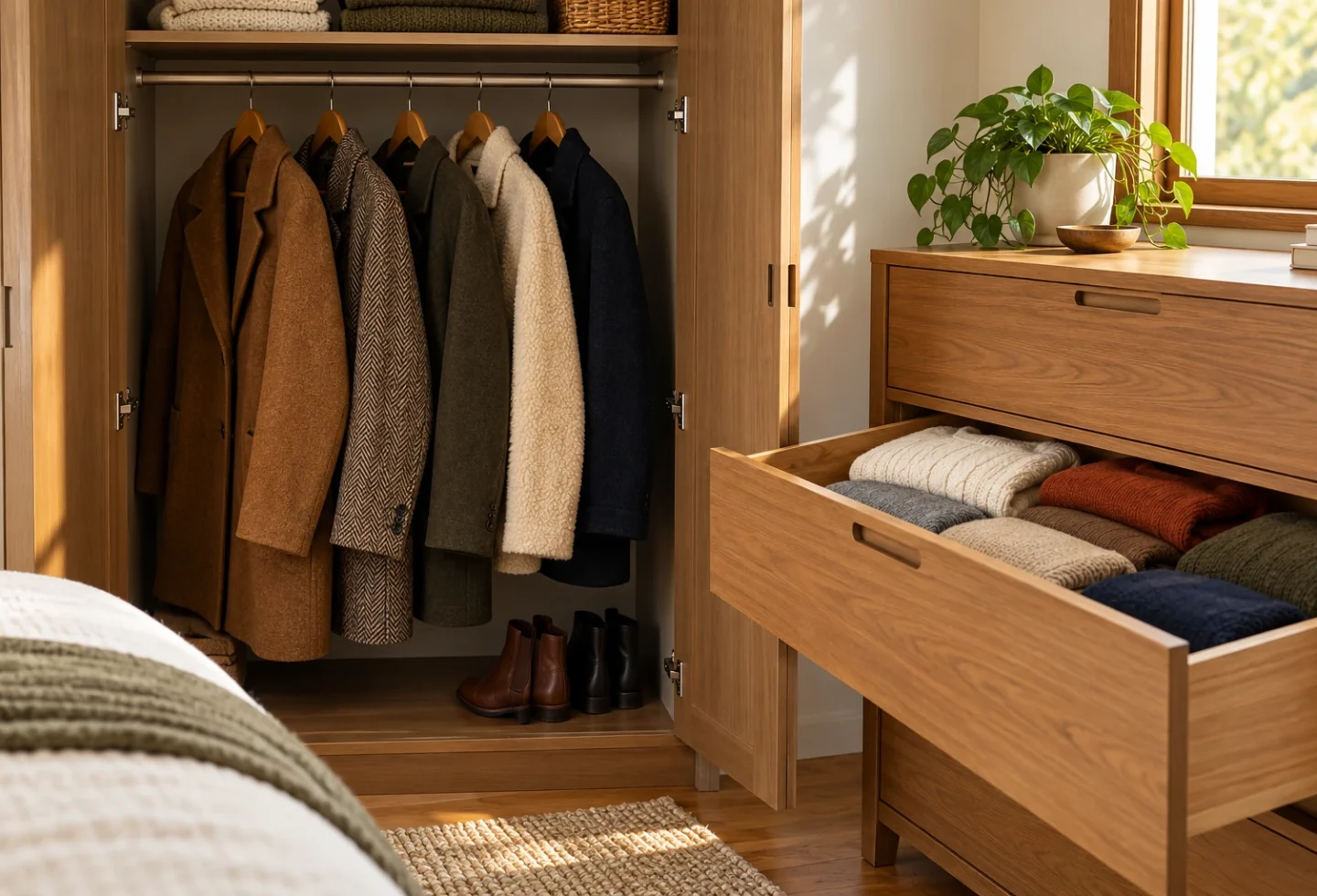
Sturdy woven coats or jackets in good condition can hang if the hanger supports their shoulders and there is room between garments. Avoid thin wire hangers that can distort shoulders or mark fabric. The CCI notes that sound costumes may be hung, while knits, fragile or heavily decorated items should not. It also advises against wire hangers for valuable pieces.
Use the hangers already available when they fit the garment. Do not crowd a rail so tightly that sleeves stay folded against adjacent clothes for months. A loose cotton dust cover can protect a special garment; avoid assuming a dry-cleaner plastic bag is appropriate for long storage, as CCI cautions against those bags for textiles.
5. Leave a simple return path and inspect later
Keep the stored group together so you can find it when the season changes. A short note in your phone can list the drawer or shelf location; that works without buying labels or boxes. Check stored items periodically for dampness or pest signs, and refold items that sit through a long storage period. The Smithsonian advises airing and periodically changing folds for textiles kept in storage.
For wool or other animal-fiber garments, cleanliness and inspection are especially useful. UC IPM recommends clean, pest-free items and airtight storage for susceptible pieces when clothes moths are a concern. That does not mean every garment needs a newly purchased plastic bin. If you use a pesticide such as mothballs, follow its label exactly; EPA recommends nonchemical prevention first.
Common questions
Can I leave clothes in dry-cleaner plastic bags?
That is a poor long-term choice for sensitive textiles. CCI warns that dry-cleaner garment bags restrict air circulation and can encourage moisture buildup. Use a suitable clean, dry space and follow the garment’s care needs.
Should sweaters be hung or folded?
Fold knits, particularly heavy or fragile ones, so their own weight does not pull them out of shape. Hang sound, structured garments on supportive hangers.
Do I need to buy storage bins first?
Usually start by assessing clean drawers, shelves and wardrobe space. A suitable existing container may help for pest-sensitive items, but buy one only when the garment and storage conditions call for it.