One delivery box can be useful. Ten empty boxes leaning against a wall become another organizing problem. The goal is to keep a small supply you will actually reuse, store it flat, and know when a box is no longer strong enough to ship.
Quick answer: Keep only clean, dry boxes with sound corners and attached flaps in sizes you expect to need. Flatten them, give them one defined storage spot, and recycle the excess according to your local rules. Before shipping in a reused box, remove or completely cover old labels and markings and check that the box still protects its contents.
1. Set a limit before you save boxes
Start with a real use: a return you are waiting to send, an item you sell occasionally, or a move already on the calendar. Keep a few sizes that fit those jobs. If you cannot name a likely use, there is little reason to store the box indefinitely.
Choose one narrow closet space or shelf edge as the limit. When new deliveries arrive, compare the new box with what is already there. Keep the sounder, more useful size and let the duplicate go. This is the same decision principle as our decluttering guide: give a useful object a specific role rather than saving it just in case.
2. Inspect and flatten each box
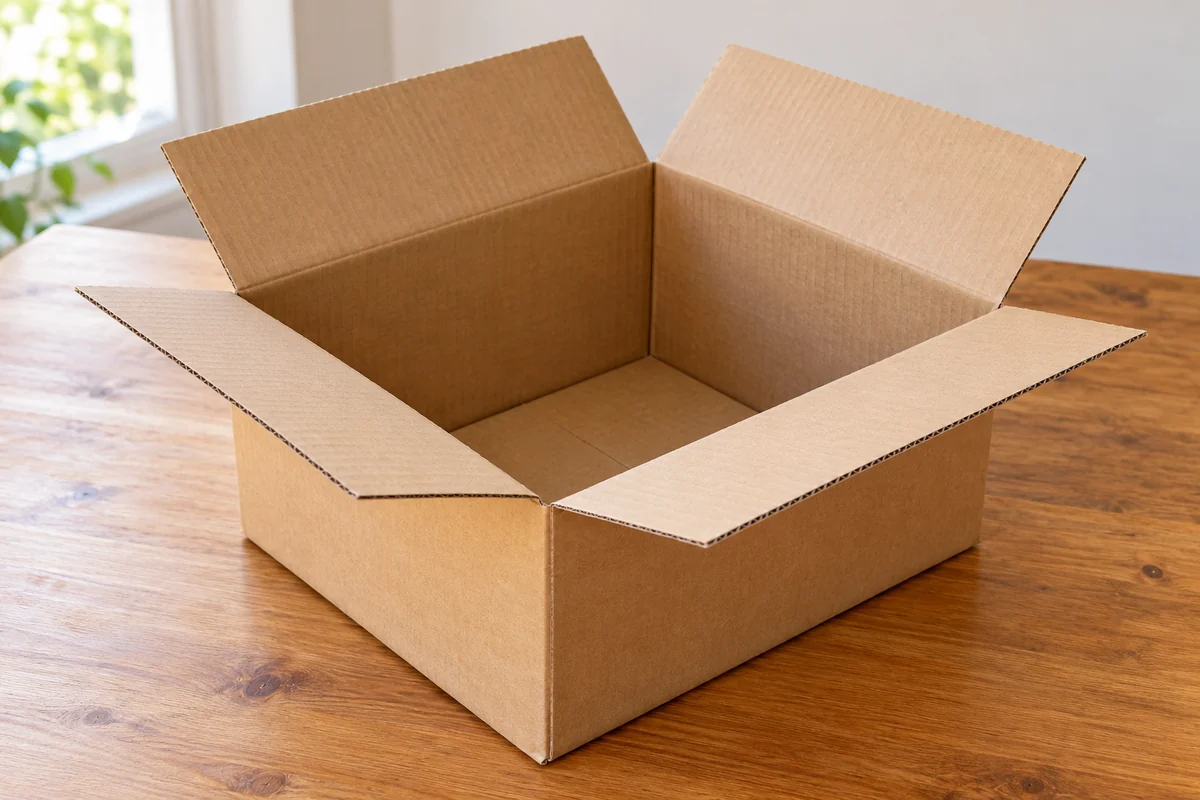
Look for crushed corners, split seams, damp or soft patches, torn flaps, or a bottom that no longer holds its shape. A damaged box can still have a light-duty household use, but do not count on it to protect a parcel. Both USPS and UPS advise using strong, appropriate packaging; USPS warns that reused boxes can weaken.
Remove loose packing materials and open the taped bottom seam carefully so the box folds along its existing creases. Do not force a glued seam or tear the corners merely to make it flat. If it will not collapse neatly without damage, either keep it assembled for an imminent use or recycle it.
3. Store a small stack where you will use it
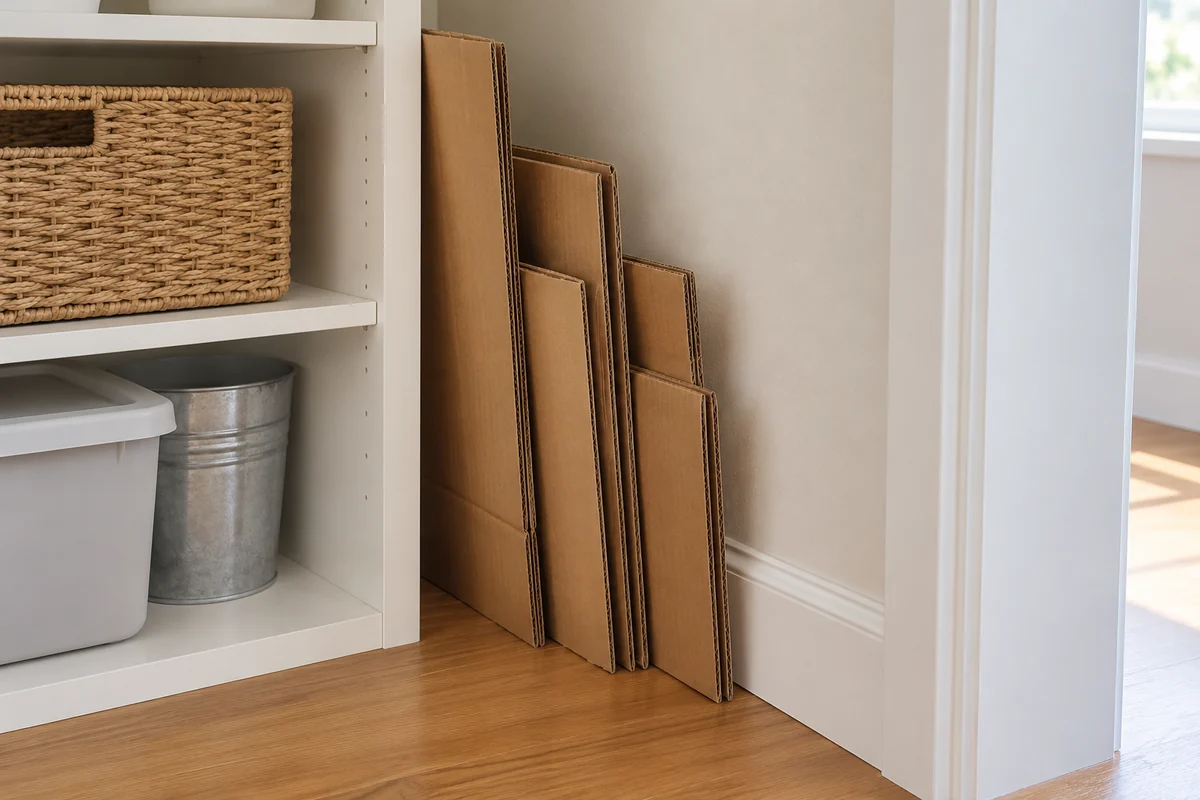
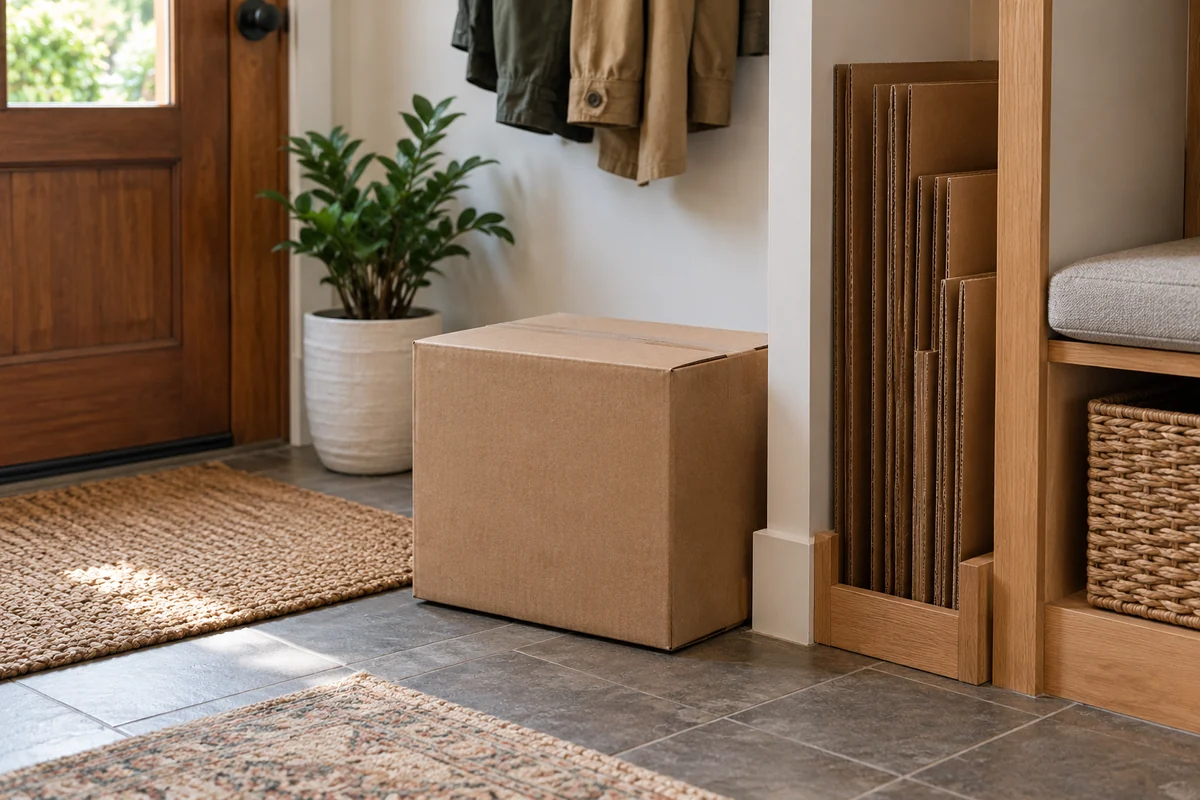
Slide flattened boxes upright into the chosen slot, with their bottom edges on the floor or shelf and their backs supported. Put the largest at the back and the smallest in front so you can pull out a useful size without moving a tower of cardboard. Keep the spot dry and away from spills.
Store a little reusable cushioning paper nearby if you regularly ship parcels, but do not keep every scrap. Flattening boxes first makes the true size of your saved supply visible. If the stack outgrows its slot, sort it again rather than finding another place for overflow.
4. Prepare one for a new shipment
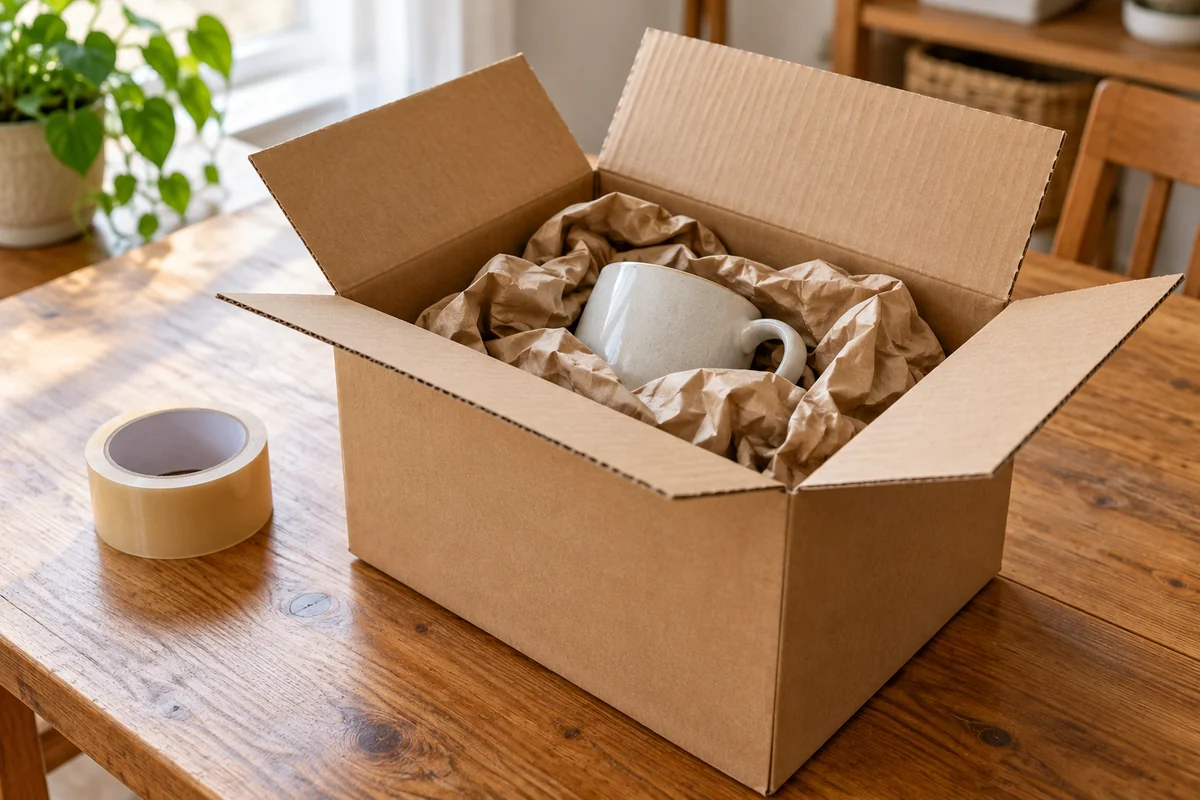
Reopen the box and check its strength again. Choose a size with room for suitable cushioning, and prevent the contents from shifting. Close and tape all seams as the carrier directs. For fragile or valuable items, follow the carrier’s packaging guidance for that item; an old box is not automatically adequate simply because it fits.
Before attaching the new label, remove or completely obscure every old address, barcode, shipping label, and hazardous-material marking. USPS’s box-reuse poster shows why a partly covered marking is not enough. UPS also calls for old labels and markings to be removed or concealed. Do not repurpose a carrier-provided service box for a different service: USPS Priority Mail and Priority Mail Express packaging has service-specific rules.
5. Recycle what you will not reuse
Flatten sound but unnecessary cardboard for collection. The EPA recommends flattening boxes and checking the local recycling program, because acceptance rules can vary. Keep food scraps and other contamination out of the recycling stream and follow your local collector’s instructions for tape and labels.
A modest stack that gets used is the win. Reusing a box can avoid a new one for your next task; recycling the rest keeps the storage area usable.
Common questions
Can I ship in a box that was used before?
Often, yes, if it remains sturdy and meets the carrier’s packaging rules. Check all seams and corners, cover or remove every old marking, and use cushioning appropriate to the item.
How many boxes should I keep?
Keep the few sizes linked to real returns, sales, or an upcoming move and cap the supply at one storage spot. If you rarely ship, you may need none on hand.
Should I keep a box with a damaged corner?
Do not rely on a weakened box for shipping. It may be useful for a light household task, but recycle it if you have no immediate use and your local program accepts it.
Sources
- USPS: How to Prepare and Send a Package — strength and old-marking guidance for reused boxes.
- UPS: Packaging Tips — box, cushioning, and label guidance.
- USPS Poster 81: How to Reuse a Box for Shipping — old labels and hazardous markings.
- USPS: Ordering Free Shipping Supplies — service-specific packaging limits.
- EPA: How Do I Recycle Common Recyclables? — flattening and local cardboard recycling rules.