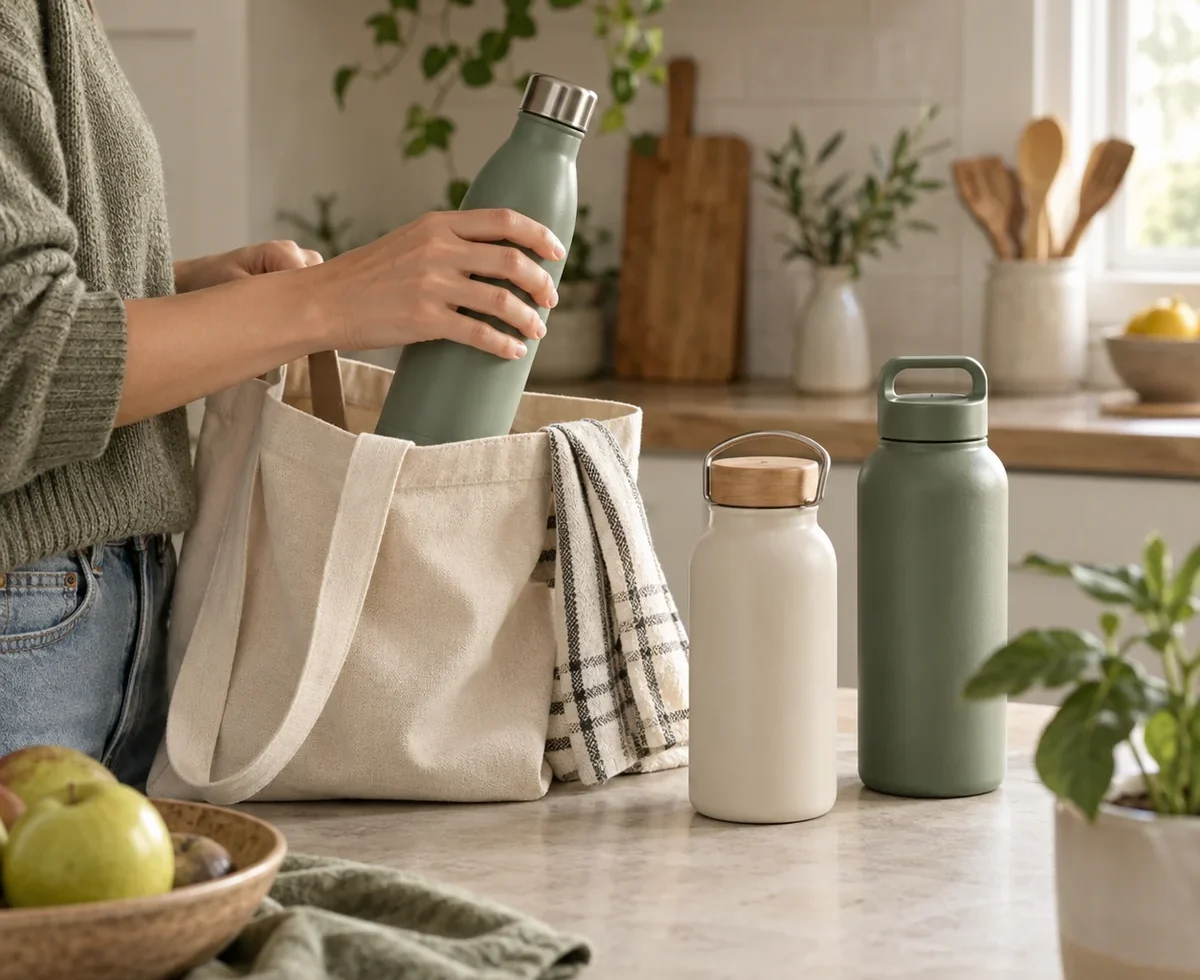
The best reusable water bottle is the one you will fill, carry, drink from, and clean regularly. A beautiful oversized bottle that never leaves the counter will not replace many disposable drinks. Before buying another one, check whether the bottle you already own could work with a better place to refill or a replacement lid.
This guide is a shopping decision tool, not a ranking of brands. There is no universal best material, capacity, or lid. Your commute, hands, bag, cleaning routine, and available drinking water matter more than a trend. The U.S. Environmental Protection Agency recommends carrying a reusable bottle as one way to reduce disposable packaging; the practical benefit comes from using it repeatedly.
First, name the job the bottle has to do
Will it sit on a desk, travel in a backpack, fit in a car cup holder, or go on walks? Decide where you will refill it and how long you need to carry it between refills. A large capacity can reduce trips to a tap, but it also adds weight and may not fit your bag. A smaller bottle that you can refill conveniently may be used more often than a larger one you leave behind.

Write down the three requirements that actually matter to you, such as “fits my bag pocket,” “opens with one hand,” and “simple to wash.” Treat color, novelty features, and a matching accessory set as optional. If you already own a bottle that meets those requirements, try using it consistently before buying a different one.
Choose a lid you can live with
A simple screw cap has fewer moving parts but may take two hands. A flip spout may be convenient in motion, while a straw lid changes how you drink and adds surfaces to clean. Look at the actual drinking path, not just the lid’s appearance. Can you reach the spout, remove a straw if the maker permits, and clean any gasket or channel? Does the lid close securely for the way you carry it?
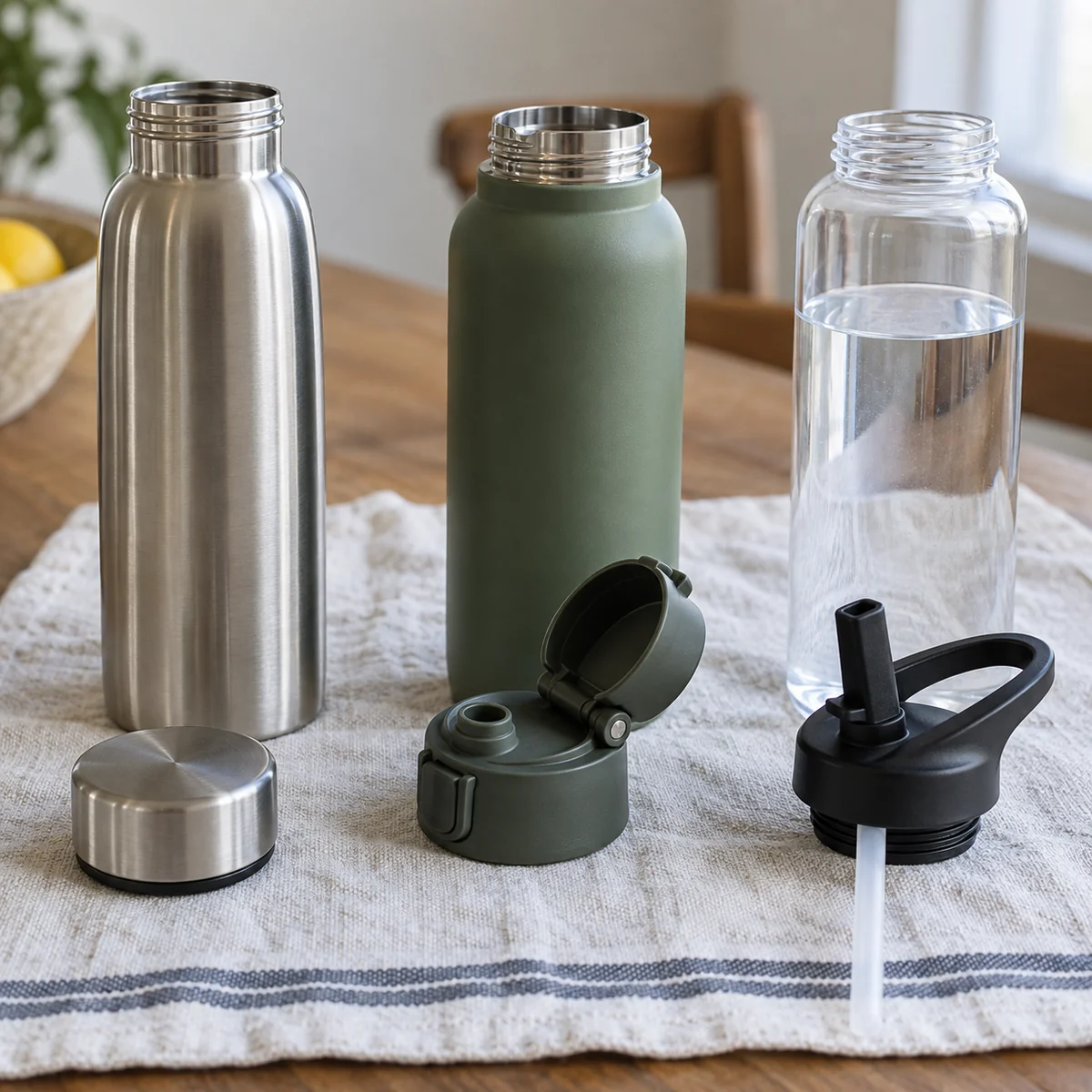
Check the maker’s instructions for how each removable piece is taken out and put back. A complex lid is not automatically a bad choice, but it should fit the time you are willing to spend maintaining it. If you tend to misplace loose parts, fewer removable pieces may make the bottle easier to keep using.
Make cleaning a purchase test
The University of New Hampshire Extension advises frequent, thorough cleaning of reusable bottles and notes that a bottle’s opening and design affect how easily you can reach its interior. Before buying, ask whether your hand or an existing brush can reach the bottom. Look for a care page that clearly says which parts are dishwasher safe and how to wash the lid. The body, cap, and straw may have different rules.
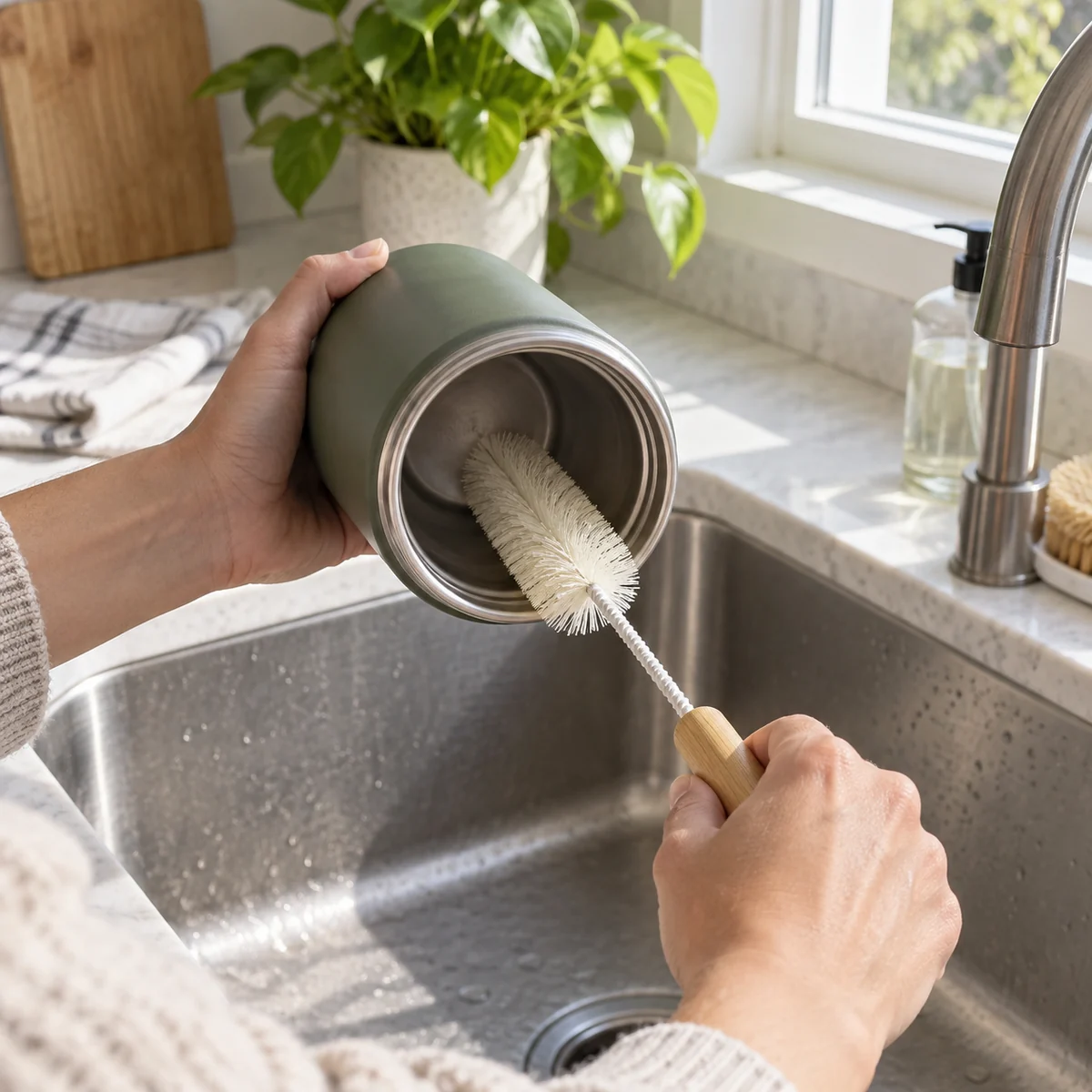
Do not assume that a dishwasher-safe claim covers every component. Check the exact model and lid. If the listing does not show the underside of the cap or explain how to clean a built-in straw, ask the seller or maker before ordering. Our water-bottle cleaning guide shows the routine you will need after purchase.
Check fit before you fall for a feature
Measure the space where the bottle will live: a bag pocket, shelf, bicycle holder, or car cup holder. Compare those measurements with the product’s full height and width, including the lid and handle. Check whether the bottle fits under your usual tap or refill station. A handle may make it pleasant to carry but prevent it from fitting in the side pocket you planned to use.
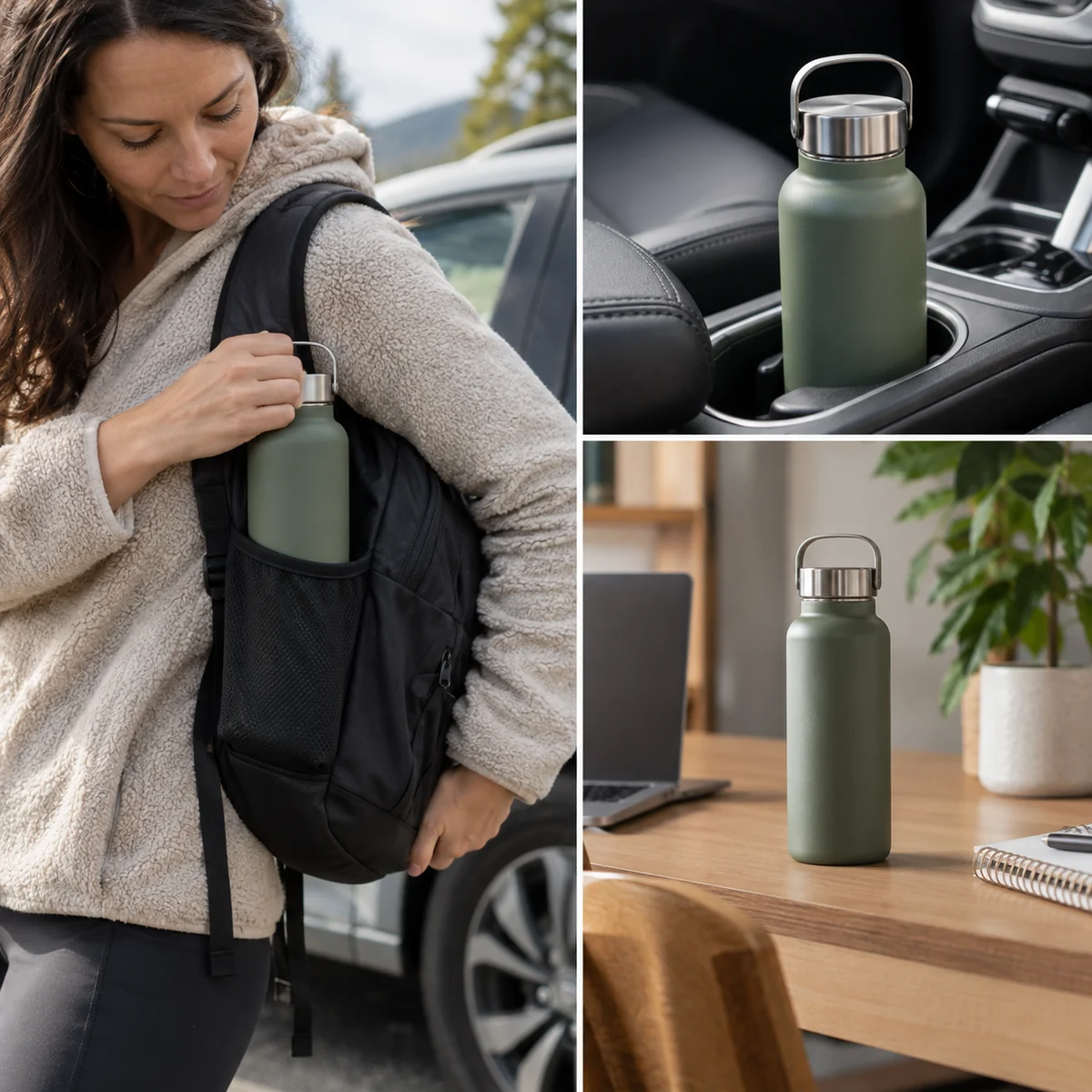
Think about weight when full, ease of gripping, and whether the opening is comfortable for you. Insulation can help when you need a drink to stay cold or warm, but it may add bulk. A transparent bottle lets you see what is inside; an opaque one may suit other preferences. No single feature makes a bottle right for every person.
Look for parts and care instructions that extend its life
Can you buy a replacement lid, straw, or gasket for the exact model? Are those parts available from a reliable source, and is the bottle itself supported by a clear warranty or care guide? A lost cap should not necessarily make the body unusable. Check the cost of likely replacement parts along with the purchase price. A low initial price may be less useful if a common part cannot be replaced.
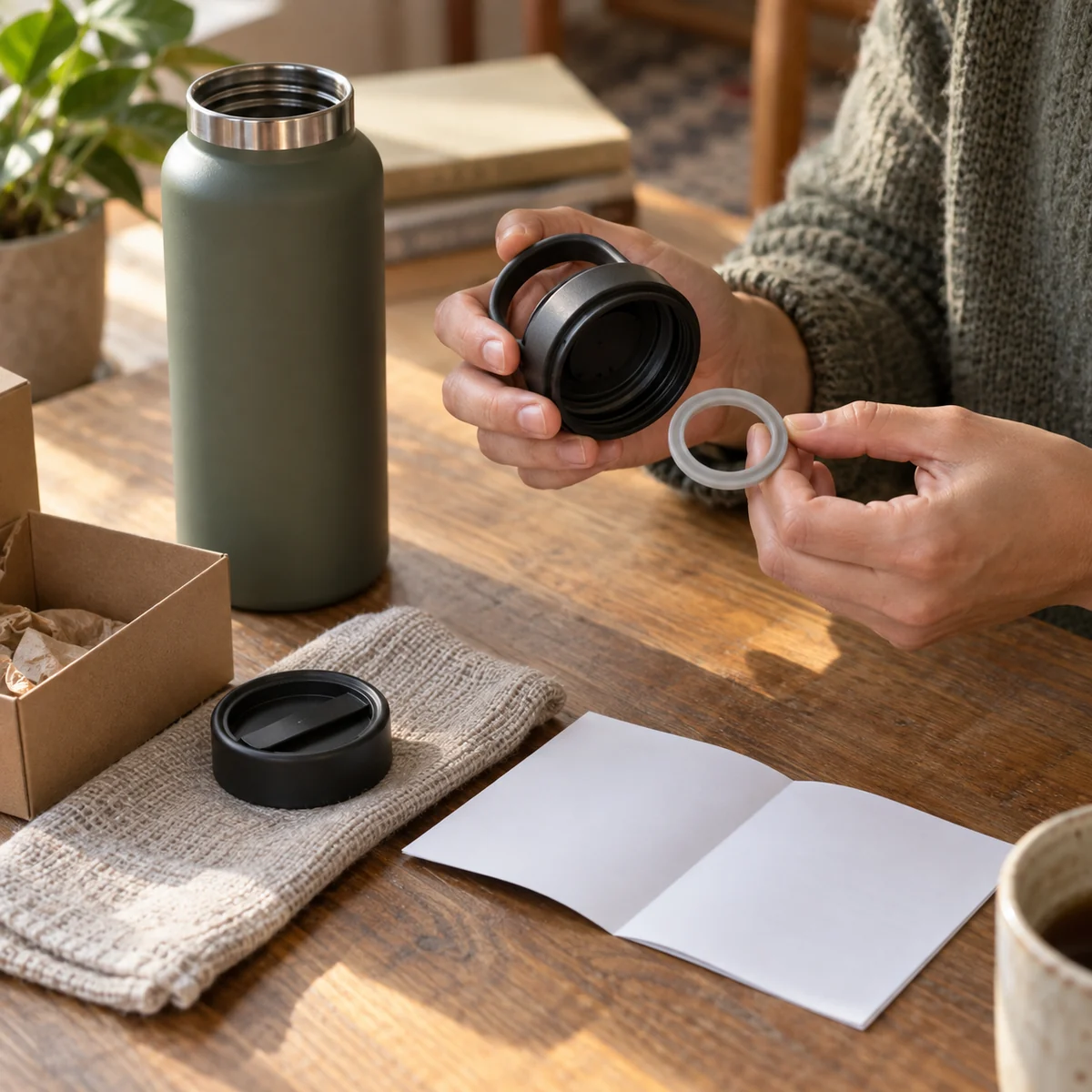
If buying secondhand, inspect the body and drinking parts for damage, confirm that it can be cleaned, and check for product recalls where applicable. Do not guess that a random replacement lid fits safely simply because the threads appear similar. The manufacturer’s compatibility guidance matters.
Read the full offer, not just the “eco” label
The U.S. Federal Trade Commission advises looking behind broad environmental claims. “Eco-friendly” alone does not tell you how the bottle was made, how long you will use it, or what the claim actually covers. If a listing mentions recycled content, look for what proportion applies to the product rather than just its packaging. Focus on verifiable details: dimensions, care instructions, component availability, materials stated by the maker, and warranty terms.
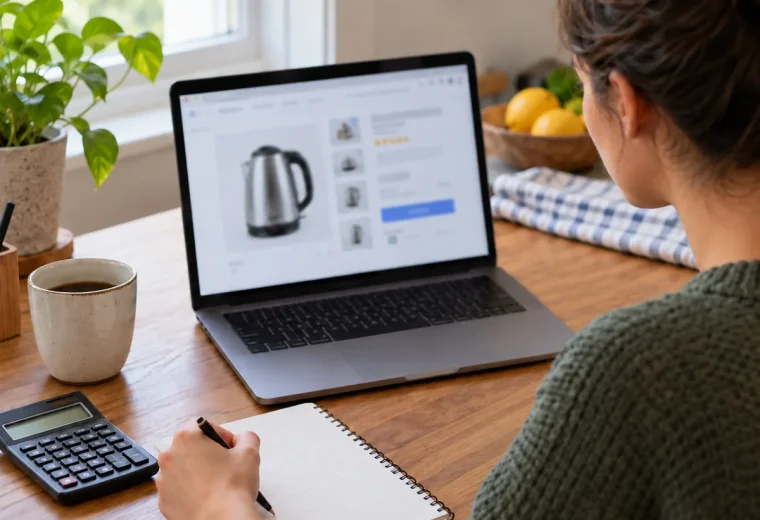
For an online purchase, the FTC recommends comparing the full cost, including shipping and fees, and reading the return policy. This is especially useful when fit and lid comfort are uncertain. Check whether you can return the bottle after inspecting it and who pays for return shipping. Avoid buying several models merely to test a look if you can measure and compare first.
A five-question checkout test
- Do I already own a bottle that could do this job?
- Will this one fit where I carry, store, and refill it?
- Can I clean the body and every drinking-contact part?
- Can I replace a worn or lost lid, straw, or gasket?
- Do the full price, seller terms, and return policy make sense?
If you can answer those questions, the choice becomes simpler. The most sustainable-looking bottle is not necessarily the best purchase; repeated use of a practical bottle is the aim. If your current one works, keep it clean and take it with you. If you need a replacement, choose one whose daily routine you can picture clearly.
Sources
- U.S. Environmental Protection Agency, What You Can Do to Reduce Plastic Waste.
- University of New Hampshire Extension, What’s Living In Your Water Bottle?
- U.S. Federal Trade Commission, Eco-Friendly and Green Marketing Claims and Online Shopping.