Water on the inside of a window is easy to wipe away and easy to ignore. In cold weather, warm indoor air can meet cold glass and leave the pane and sill damp again the next morning. The useful fix is to remove today’s water, lower the moisture feeding it, and check whether the window or surrounding wall also needs attention.
Quick answer: Touch or wipe the glass to confirm the moisture is on the room side. Dry the glass and sill promptly. Check indoor relative humidity, use kitchen and bath exhaust fans that vent outdoors, and keep warm room air circulating near the glass. If the water is trapped between panes, or the sill and wall stay wet despite moisture control, arrange a window or building inspection.
1. Find out where the water is
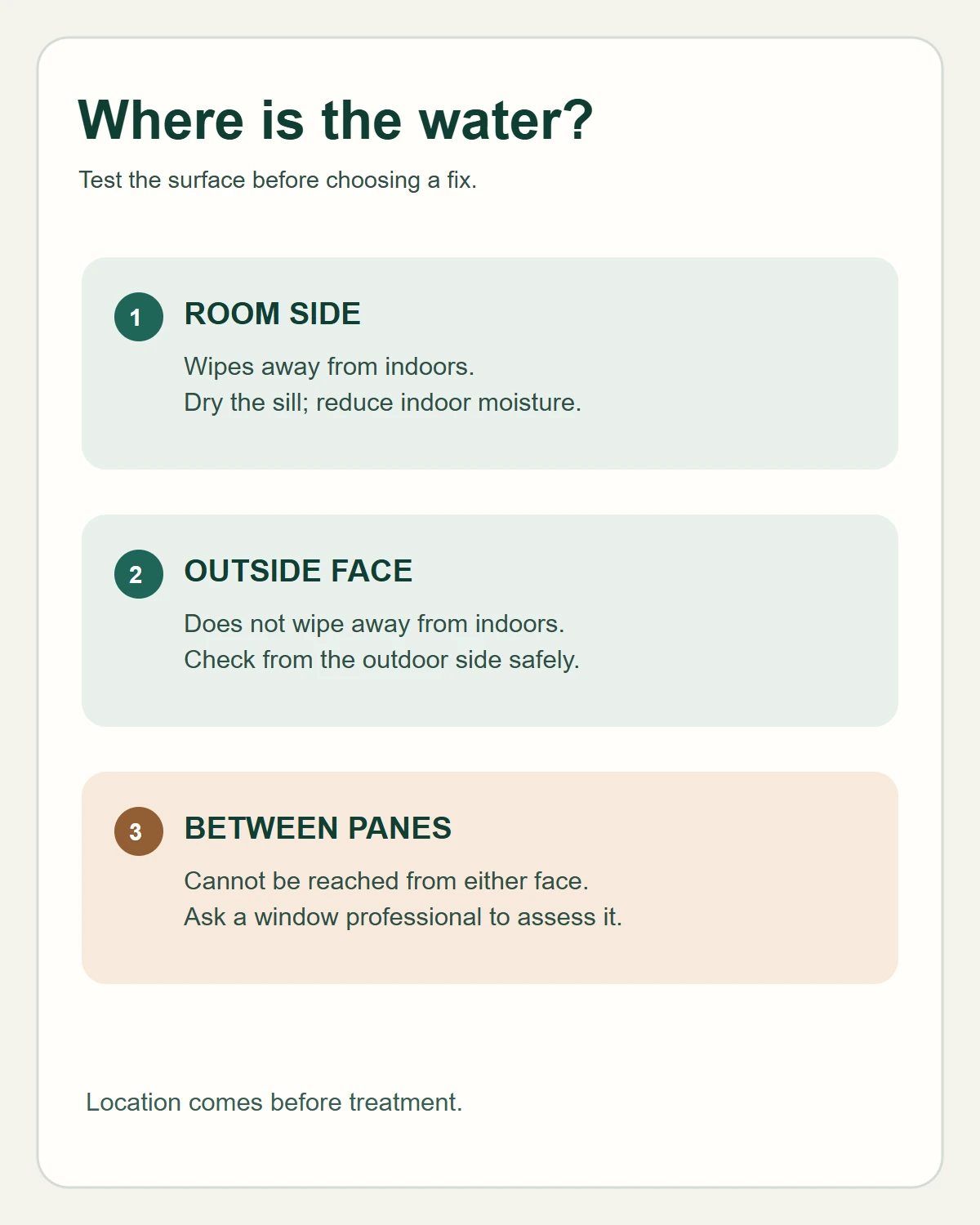
Run a clean, dry cloth over the room-facing pane. If that clears a patch, you are seeing interior condensation. Cold glass can cool nearby indoor air enough for its water vapor to condense. EPA explains this cold-surface effect and notes that excessive moisture on windows can point to a humidistat setting that is too high or moisture from showers, cooking and indoor clothes drying.
If the moisture is on the outdoor face, wiping indoors will do nothing; exterior condensation is a different condition. Persistent fog you cannot reach on either face may be between panes of an insulated unit. Do not assume that a dehumidifier can clear water sealed inside glazing. Have the window unit assessed. The U.S. Department of Energy describes condensation between panes as a sign of insulated-glass-unit failure in its glazing guidance.
2. Dry the pane and sill today
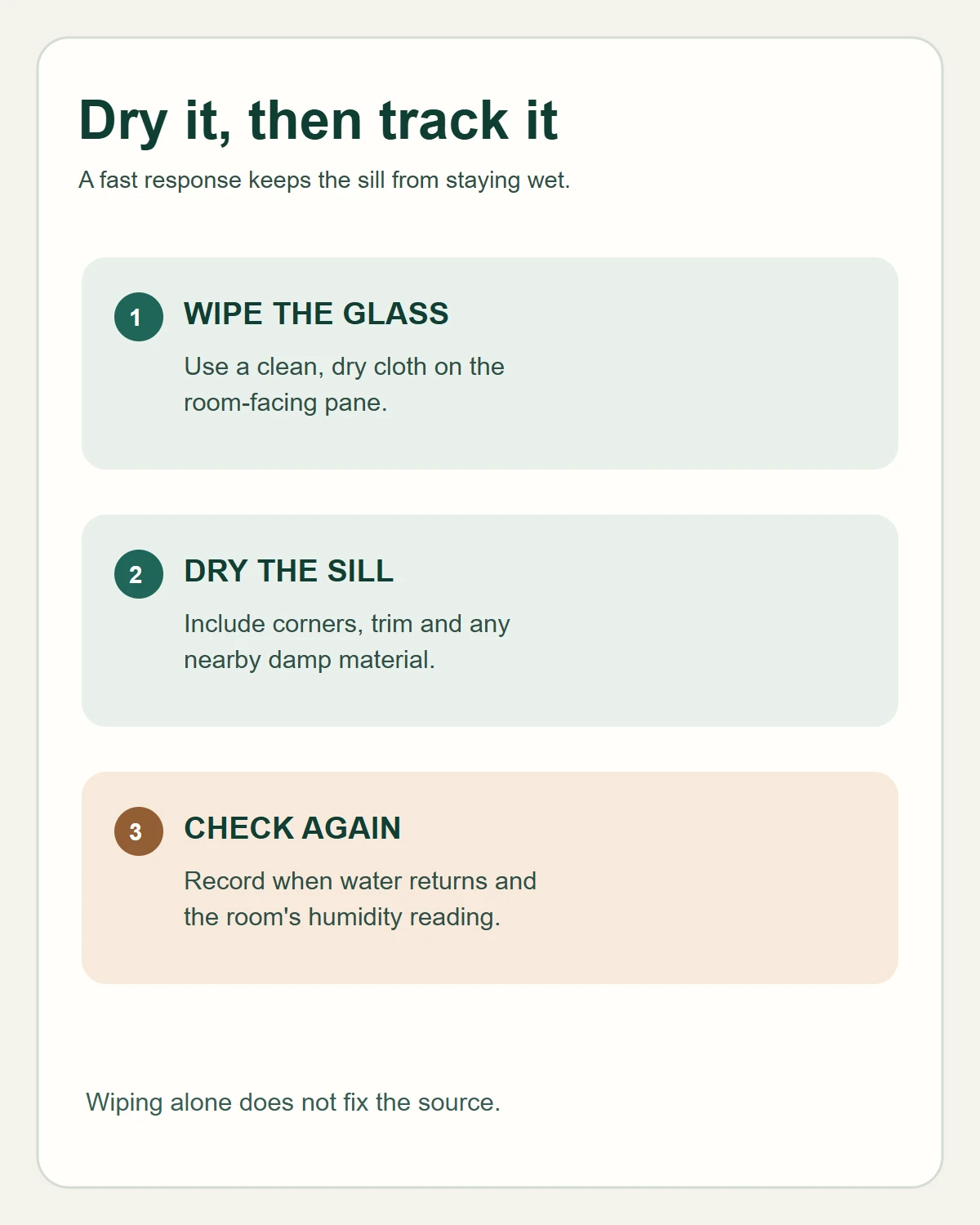
Wipe the glass and the entire inner sill with a clean cloth, including the corners where water collects. Dry any damp trim rather than letting moisture soak into it. If water has reached a wall, curtain or wood, find and address the source promptly. EPA advises acting quickly when condensation appears on windows or walls and drying wet materials within 24–48 hours where possible.
Notice when the water returns: after a shower, while cooking, overnight, or only during very cold weather. A simple note with the room, outdoor conditions and humidity reading is more useful than repeatedly wiping the glass without changing the moisture source.
3. Reduce the moisture reaching cold glass
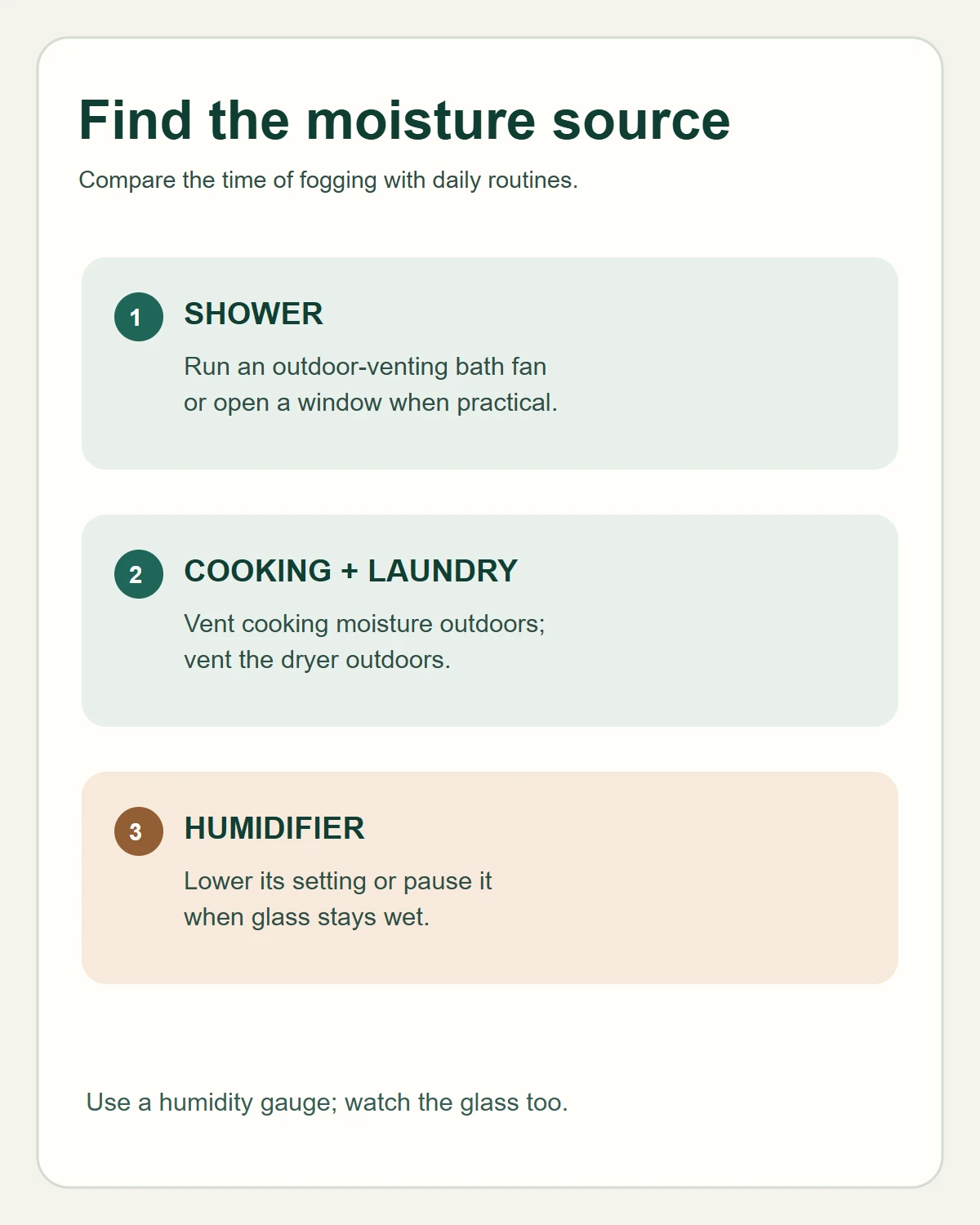
Use a humidity gauge instead of guessing. EPA recommends keeping indoor relative humidity below 60% if possible, ideally around 30–50%; the level that avoids window condensation may need to be lower in very cold weather. Do not treat one reading as proof that a wet sill is safe. Watch the glass and trim as conditions change.
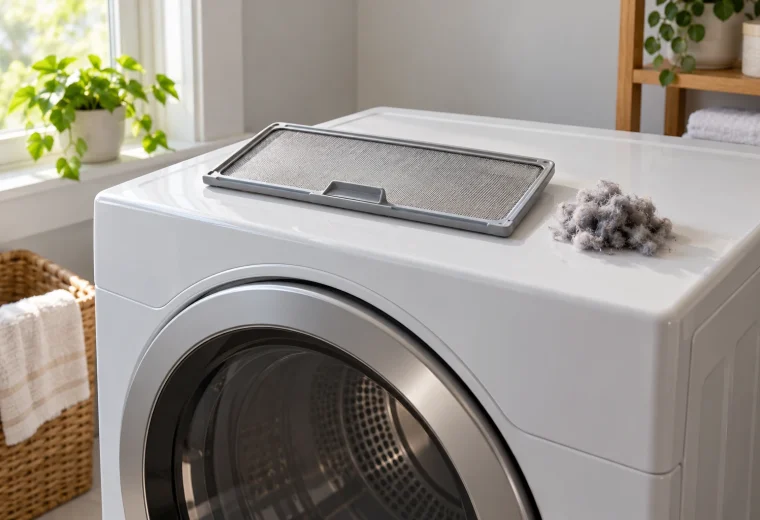
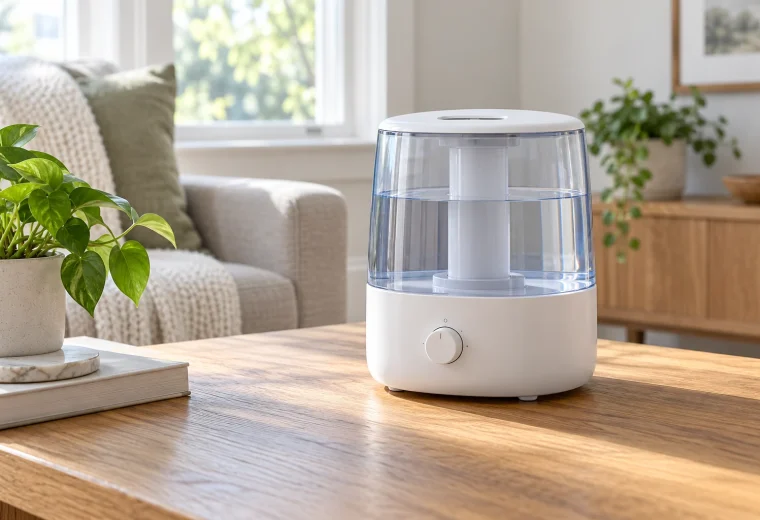
Run a bathroom exhaust fan or open a window when showering if weather and outdoor air allow. Use an exhaust hood that actually vents outdoors while cooking; a recirculating hood is not the same thing. Vent a clothes dryer outdoors, and reconsider drying laundry indoors if the room remains damp. Turn down or pause a humidifier when the windows collect water; if you keep using one, follow our humidifier cleaning guide. EPA lists these moisture sources and ventilation measures in its mold and moisture guide. If outside air is humid, opening a window may not help; use suitable mechanical ventilation or dehumidification instead.
4. Check airflow, cold surfaces and warning signs
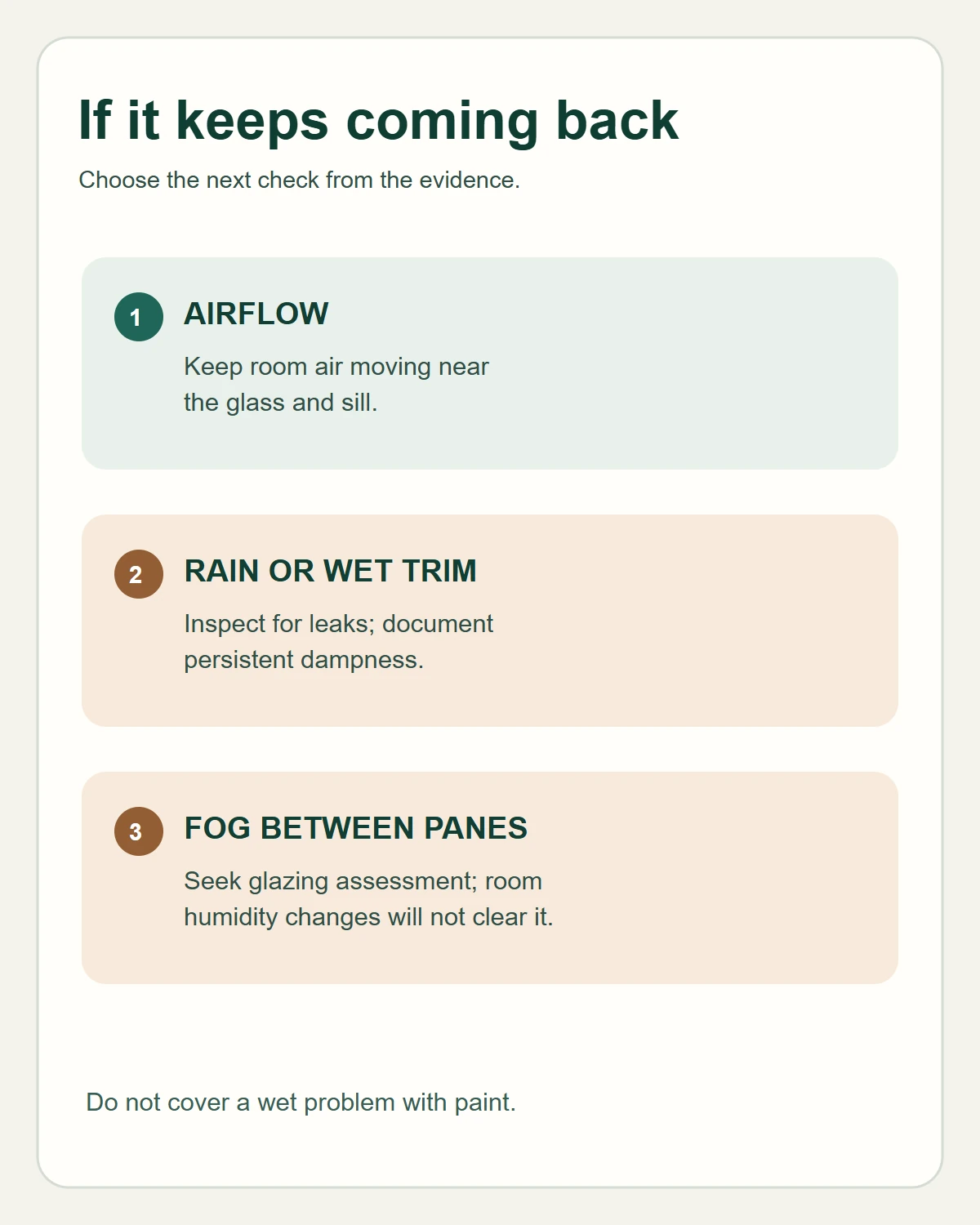
Let room air reach the glass: avoid pressing thick curtains or furniture tightly against a damp window, and keep heating or ventilation paths unobstructed. EPA notes that reducing indoor humidity and increasing air movement or the temperature of a cold surface can help prevent condensation. If the window frame is damaged, the caulk has failed or water appears after rain, treat it as a possible leak rather than ordinary indoor condensation. If you also feel cold air entering at a nearby door, use our drafty-door diagnosis for that separate problem. A renter should document recurring dampness and notify the property manager.
If water keeps soaking the sill after you address indoor moisture, seek help from a qualified window or building professional before covering the problem with paint or caulk. Fog between panes calls for glazing assessment. A replacement window is not the first response to every morning’s condensation; first identify where the water is and whether the room is too humid.
What if you see mold around the window?
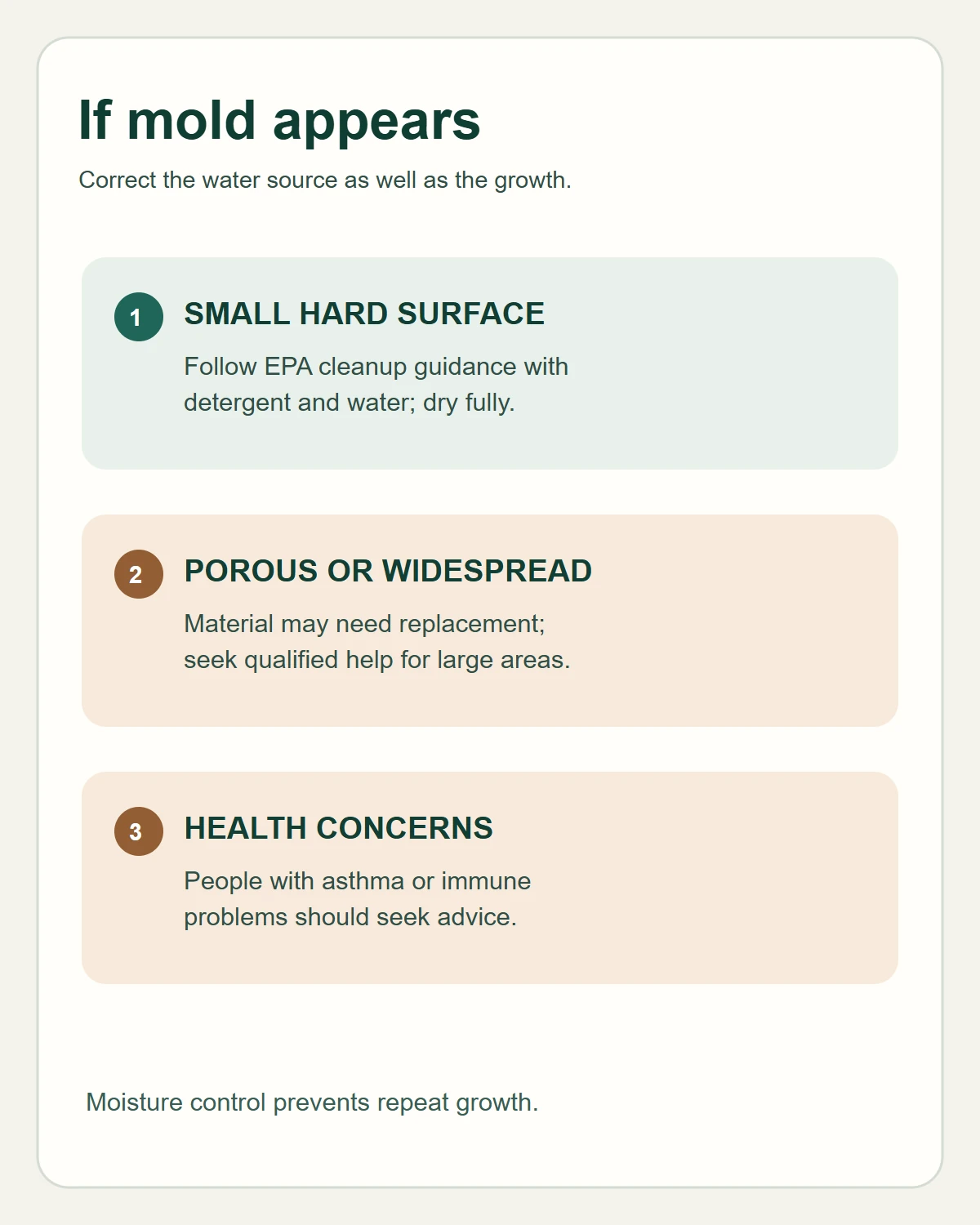
Fix the moisture source as well as the visible growth. For a small area on a hard surface, EPA advises cleaning with water and detergent and drying it completely. Moldy porous material may need replacement. EPA says that in most cases a moldy area under about 10 square feet can be handled by the resident following its guidance, but larger damage, extensive water intrusion or health concerns warrant professional advice. See EPA’s mold cleanup guidance. People with asthma, allergies or weakened immune systems should be especially cautious; CDC describes the possible health effects.
A quick next-morning check
- Is the moisture on the indoor glass, outside, or trapped between panes?
- Is the sill fully dry, including its corners and nearby trim?
- Did showers, cooking, laundry or a humidifier add moisture overnight?
- What does the humidity gauge read, and is the glass still wet?
- Does the same spot remain damp after source control, suggesting a leak or window problem?